
An online calculator called iStroke-BG estimates a person's five-year risk of ischaemic stroke. The Brain Health Council Foundation presented it, and Dr Mihail Petrov of the Pirogov emergency hospital explained the project.
Petrov said the calculator is built entirely on data from Bulgarians and on traits typical of the Bulgarian population, not on international studies.
Users enter their details online and get a form they can print and take to their GP or a neurologist. The assessment takes in age, sex, blood pressure treatment, total cholesterol, a relative who has had a stroke, diabetes, obesity, atrial fibrillation, physical activity, regular alcohol use, smoking and blood pressure.
Artificial intelligence was used to study the risk factors in depth in the medical literature. The model went through four stages: selection, adaptation, testing and analysis.
It is based on a retrospective study of 527 patients in three hospitals. The first clinical study included 227 stroke patients and 106 who had mechanical thrombectomy. The accuracy of the coefficients was checked on 100 patients who happened to see an outpatient neurologist. Petrov said all the steps so far confirm that the calculator works.
The project was presented at a round table called "Artificial intelligence and stroke – from the first minutes to a new life", ahead of World Stroke Day on 29 October. Psychiatrists and neurosurgeons worked together at the event.
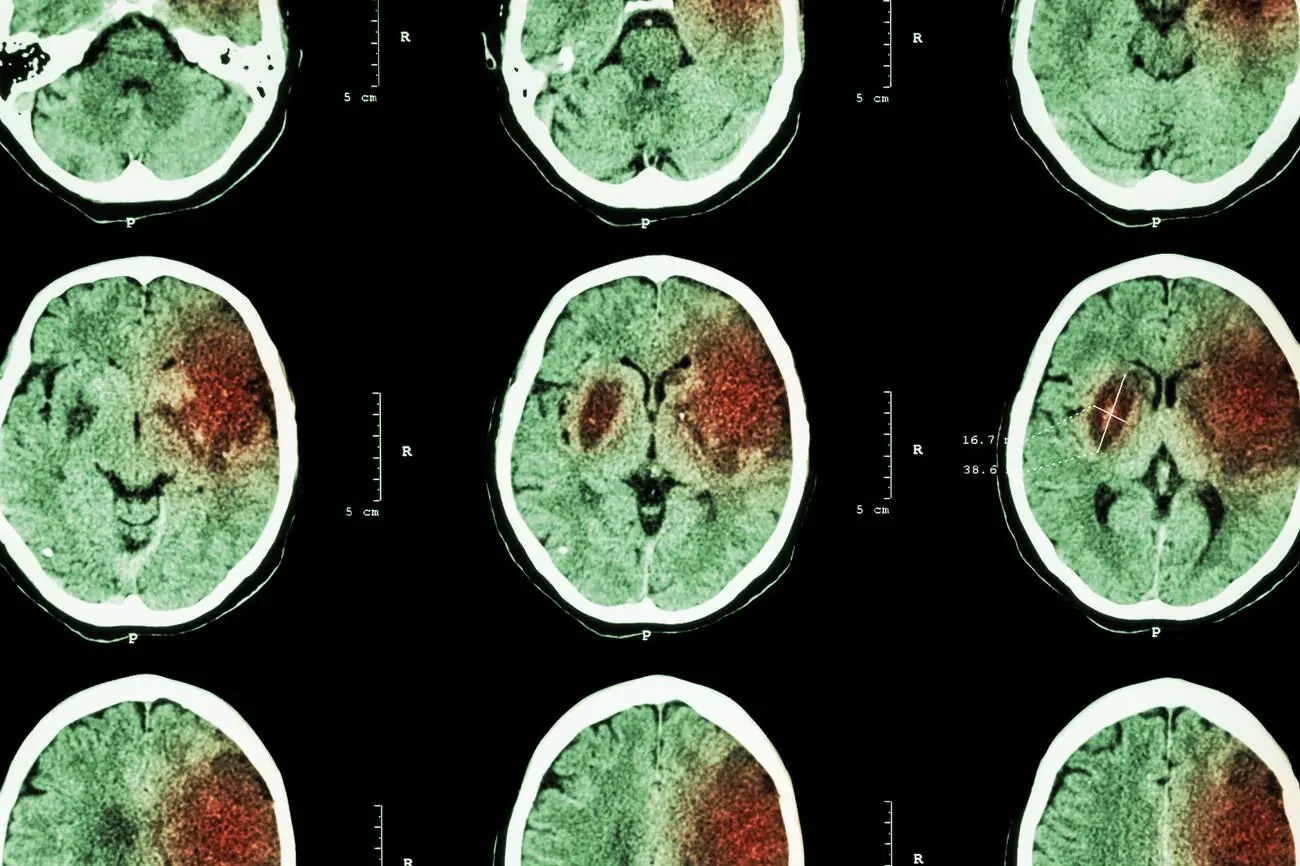
Bulgaria records 45,000 strokes a year, and there has been no real drop for three years in a row. Compared with 2023, intravenous thrombolysis is up 1.15% and thrombectomies are up 0.21%. Fewer than 1% of people get this treatment. Petrov said the results are good, but such a small share is not a good result.
Prof Nikolay Gabrovski, founder and chair of the foundation, said the statistics have been worrying for years. He said the big problem is solved outside hospitals, in the earlier stages of prevention.
Dr Nikolay Branzalov, chair of the Bulgarian Medical Association, said the problem is not only medical and that treatment must begin before the disease: "The best-treated stroke is the one that never happens." Bulgaria has many very good specialists and centres, he said, but they run their processes without links to each other, and once a patient is stable there is no long-term care.
Dr Vanyo Vidkov, chair of the board of the Sofia Medical Association of the BMA, pointed to the huge social and economic cost of stroke: treatment, disability, loss of ability to work and rehabilitation. He said new technology allows faster diagnosis, risk assessment and personal treatment, and the calculator can save lives through prevention.
The first level of the calculator will collect data quickly, and follow-up will run for three to five years to see which coefficients need to change. For people rated "high risk", a second level is planned to give a more precise picture of the problem, targeted action and lower risk.
Follow-up: A stroke is recorded in Bulgaria every 11 minutes

Comments (0)
No comments yet.