
Bulgaria's transport ministry is building a digital data hub for road safety, its press office said. The first tool will direct checks to vehicles with a record of violations, mostly in transit traffic.
Transport and communications minister Georgi Peev met the teams working on the technology, legal and administrative sides of the changes. The draft laws for the reform must be ready by the end of the first quarter of 2027 at the latest.
The tool will share and analyse data to help inspectors. It draws on information about unpaid road tolls, overloaded lorries and violations caught by the interior ministry. Data from vehicles passing through toll gantries is already included.
In the first tests, road checks became 65-70% more effective.
Interior ministry teams are now looking for suitable sites for checks, and criteria are being drawn up to spot risky behaviour on the road. The data should help target checks more precisely and help the institutions coordinate better. The ministry's press office said the aim is more focused and more effective checks, and the work is at an early stage.
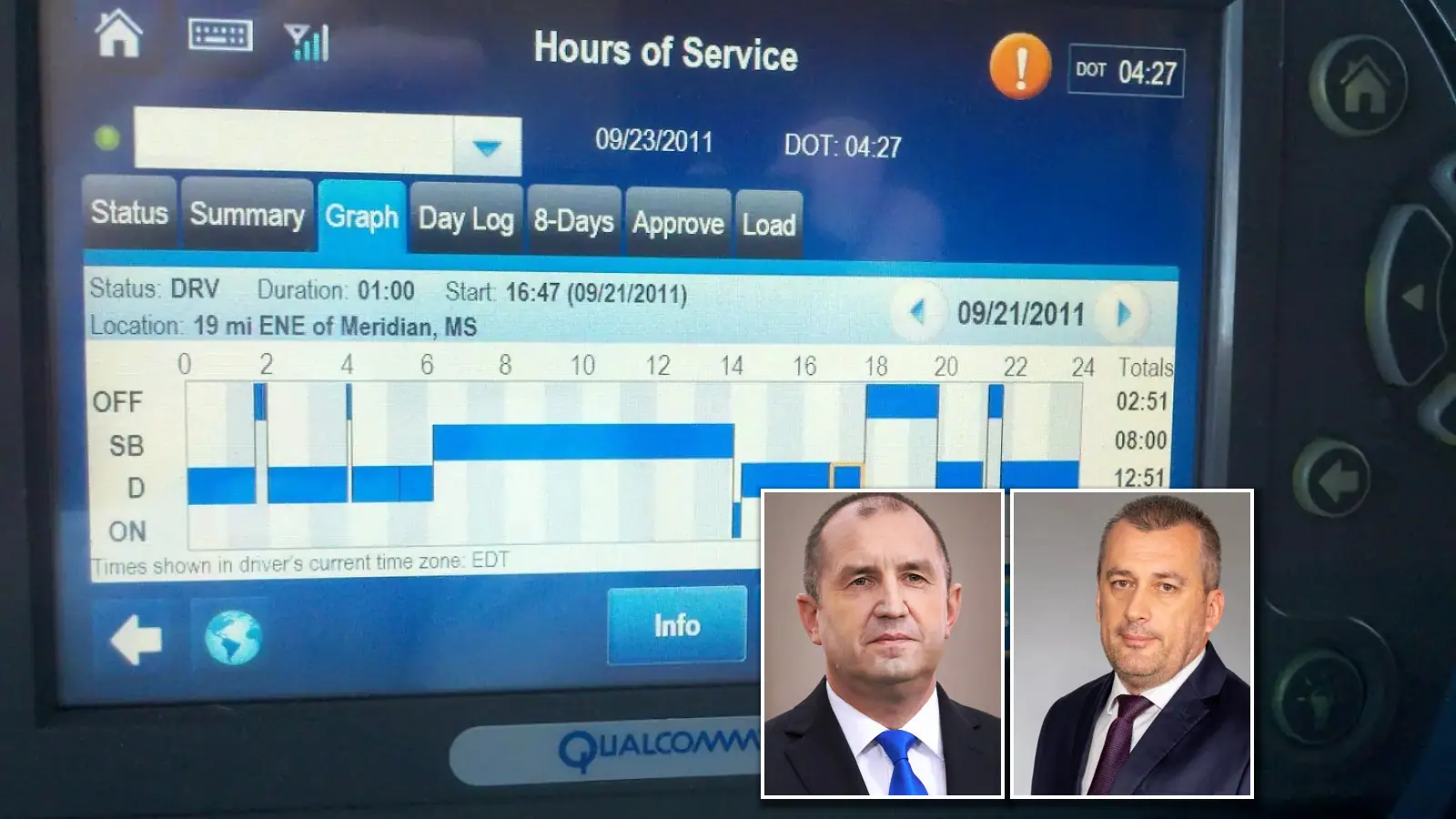
Inspectors from the Executive Agency "Automobile Administration" found tachograph violations in 15% of their checks. The agency will also test automatic reading of data from the devices that record working and rest time for drivers of heavy goods vehicles.
The legislative working group is discussing a regulation for driver training centres that include training grounds for practical lessons. It is also looking at technical requirements for the facilities and the rules for buffer parking areas.
Peev said these issues "have a direct practical bearing on how future drivers will be trained and how road traffic checks will be organised".
The group still has to decide which laws will cover the centres, who will commission their construction, and how municipalities as well as the state can build training grounds.
Prime minister Rumen Radev announced the road safety reform plan in early September, and the Council of Ministers will adopt it. Under the plan, a single national body, the Executive Agency "Automobile Transport Operator", and a single national centre for road safety information will be set up from existing structures.
The centre will use the existing toll system and combine data from municipal cameras, police body cameras and various sensors. The information will be monitored around the clock in real time and processed with several algorithms. Road safety bodies, the Customs Agency, the National Revenue Agency, the toll authority, the ambulance service, the air medical emergency service, the 112 emergency line and forestry staff will have access.





Comments (0)
No comments yet.