
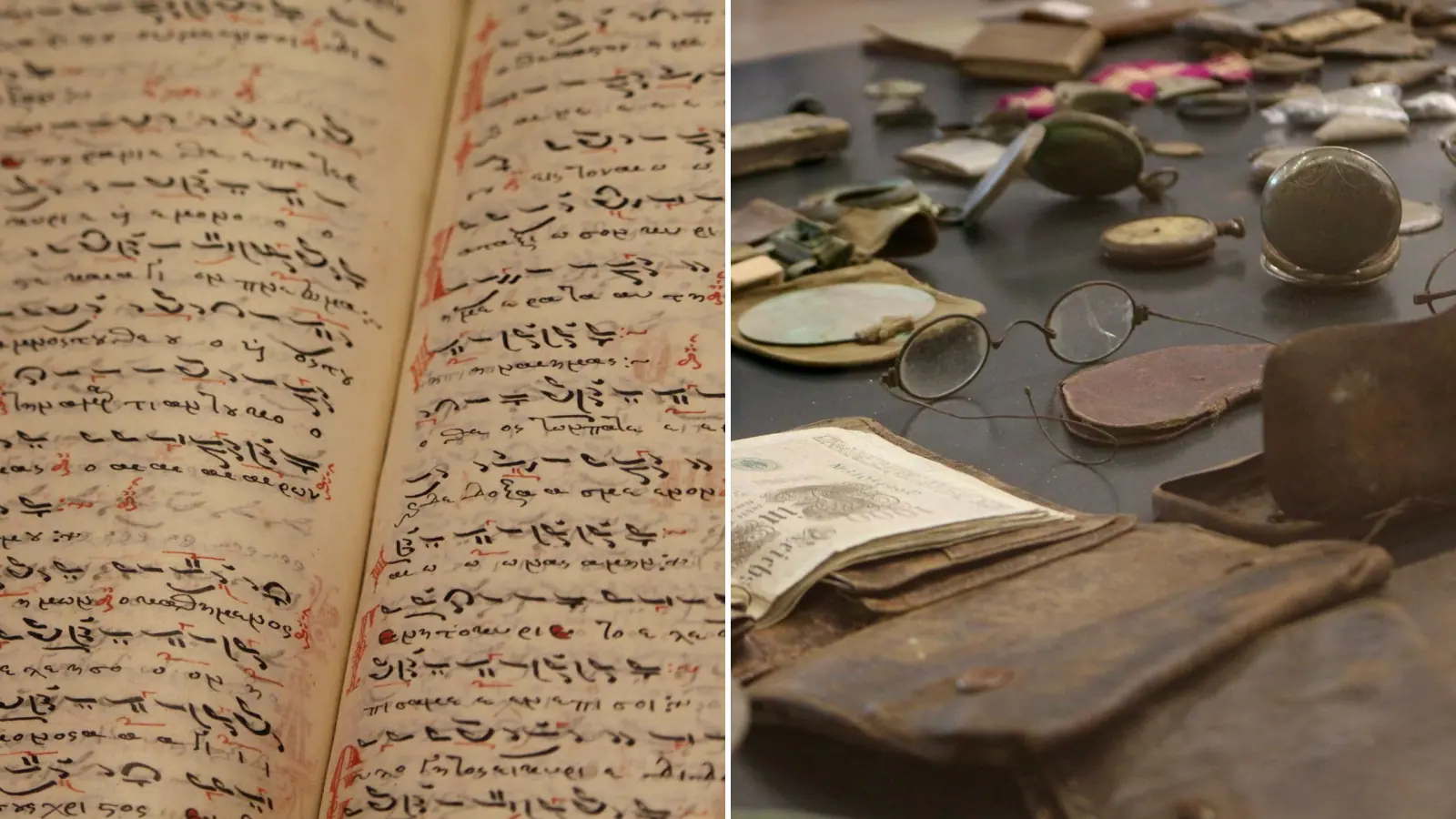
A book on the history of Ortakoy, the old name of Ivaylovgrad, will come out by the end of the year, Ivaylovgrad municipality said. It is written by Dr Krasimira Uzunova and is already at the printers.
The book will be presented officially on 14 February, Ivaylovgrad's holiday. The municipality is paying the full cost of publishing it.
It covers the period from the founding of the settlement in the 16th century to the end of the 19th century. It looks at spiritual traditions, farming and trades, and the hardships people faced, as well as how Ortakoy changed over several centuries.
Ortakoy grew up on the slopes of the Eastern Rhodopes and was part of the province of Rumelia. It later became the centre of a nahiya, and then of a kaza. Over those centuries its layout, economic life, local identity and cultural setting took shape.
The name appears in Ottoman tax registers. It means "central" or "shared village", which points to where the settlement lies.
Dr Uzunova is a historian with many years of experience. Since July 2025 she has been acting director of the Municipal History Museum in Ivaylovgrad. The piece about her is part of a series on the "revivers", people who protect the spiritual heritage.
The author drew on historical documents, archive records, ethnological observations, architectural studies, population and economic data, and folk stories. She wants to bring together scattered evidence, shed light on little-known facts and add to what is known about the roots of today's Ivaylovgrad.
Uzunova says the area's Ottoman past often stays in the shadows because Ottoman Turkish archives are hard to access and the period in the Eastern Rhodopes has not been studied enough. Antiquity, the Middle Ages and the time after the Liberation have been studied closely, she says, but the Ottoman period remains patchy and is sometimes wiped from memory.
The book is an attempt to shed light on exactly that period, the author explained. She says it is written in plain language, sticks to the facts and respects historical truth and human fates. She believes forgotten history is the root without which life in this land cannot move forward.
Mayor Diana Ovcharova met Dr Uzunova in person. She expressed respect for her professional work and support for the research.
The municipality's statement says history should not stay in the archives but must be studied, told and passed on. It says that if local authorities back researchers, the result can become a legacy for the whole town. Paying for the book shows the municipality's attitude to local history, to the people who study it, and to access to knowledge for future generations.
The author also links the book to autumn 1912, when the Bulgarian army entered the area and Ottoman rule ended. For her, freedom then was not just a political act but a just resurrection for the whole region.


Comments (0)
No comments yet.