
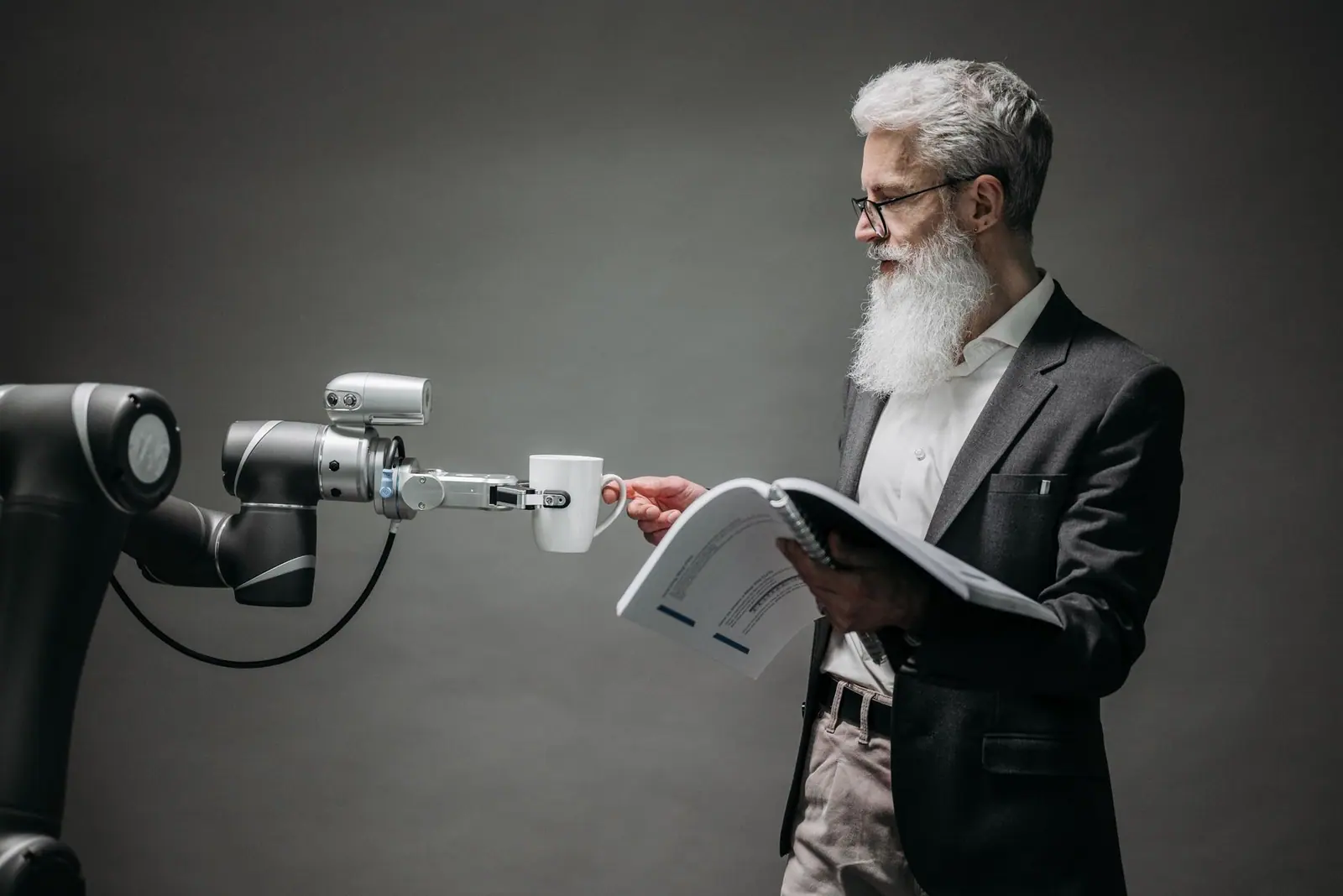
Artificial intelligence at work should be used under human control, with openness and protection for workers' rights, says Bulgaria's Economic and Social Council (ESC) in an opinion it adopted. The council counts the right to rest, and to ignore messages outside working hours, among those rights.
ESC experts recommend that employers assess the psychological and social risks separately when they bring in AI and algorithm-based management. That assessment should be part of the overall assessment of health and safety risks at work.
They say employers need to look at the effect of constant digital monitoring, of decisions workers cannot see into, and of human oversight of those decisions. The council wants new technology to help people, not to increase digital disconnection, job insecurity and health risks.
In an analysis of the labour market, the ESC names the structural shortage of workers as Bulgaria's main problem. It stems from an ageing population, a low birth rate and a shrinking number of people in the age groups that enter the labour market.
Emigration remains a risk, the analysis says, above all when young, skilled and economically active people leave, or when certain regions and professions are hit. It says the supply of labour will stay limited in the medium and long term, and will even get worse.
The council calls for better coordination between institutions and the social partners, and for closer links between training and what employers need.
The ESC presented the opinion, "European Semester 2026: challenges and priorities for Bulgaria", at the end of September.





Comments (0)
No comments yet.