
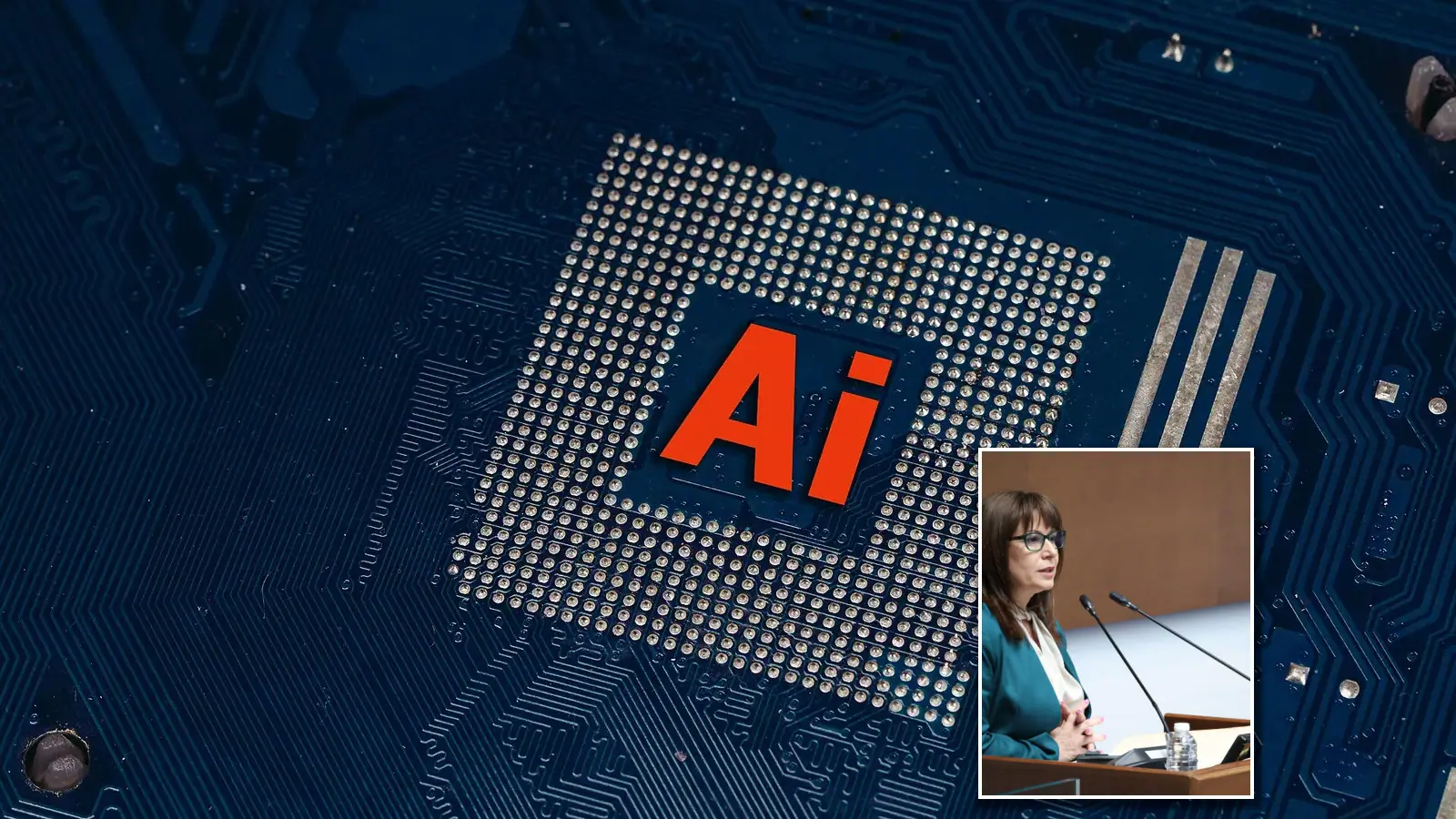
Artificial intelligence is not neutral because it reflects the people who build and run it, Bulgaria's ombudsman Velislava Delcheva has said. She was speaking at the opening of an international conference on how AI affects basic rights. She said independent public oversight and international rules are needed.
The conference, "The Impact of Artificial Intelligence on Fundamental Rights and the Role of Human Rights Institutions", was organised by the ombudsman herself.
AI is only now entering public institutions, while private business has used it for a long time, Delcheva said. It can influence decisions that affect income, health, and access to support and aid. So it must be clear what risks it carries and how people are protected when their rights are affected, she said.
Every technical tool carries choices and priorities. They show in what it takes into account and what it ignores, what it tries to improve, and how it sorts people and situations into categories. Behind a seemingly objective result there can be bias that leads to unequal treatment and discrimination.
AI can imitate human conversation, but it has no consciousness, morals, empathy or spirituality. Responsibility for the results stays with those who developed it, introduced it and use it, especially in public administration.
When a person applies for welfare, a health service or disability support, the decision must take their real circumstances into account, the ombudsman said. The administration owes people clear reasons and a way to appeal. "The system decided, the algorithm decided" is not an answer, Delcheva said. She added that citizens do not have to understand how AI works to seek and get protection.
At the conference, the ombudsman tried to talk to the humanoid robot Robert, built by engineer Metodi Dimitrov. The robot gave a short speech about what it can do: talk to people, answer questions, process large amounts of information and sometimes give answers that not everyone likes. It added that the system, the algorithm, had decided this, and said: "Of course, this very sentence is probably not the most suitable for a conference about artificial intelligence and human rights." When the ombudsman asked further questions, it fell silent for technical reasons.
The ombudsman and other human rights bodies monitor whether safeguards are respected, press for violations to be fixed, and raise the question of change when a practice affects more people.



Comments (0)
No comments yet.