
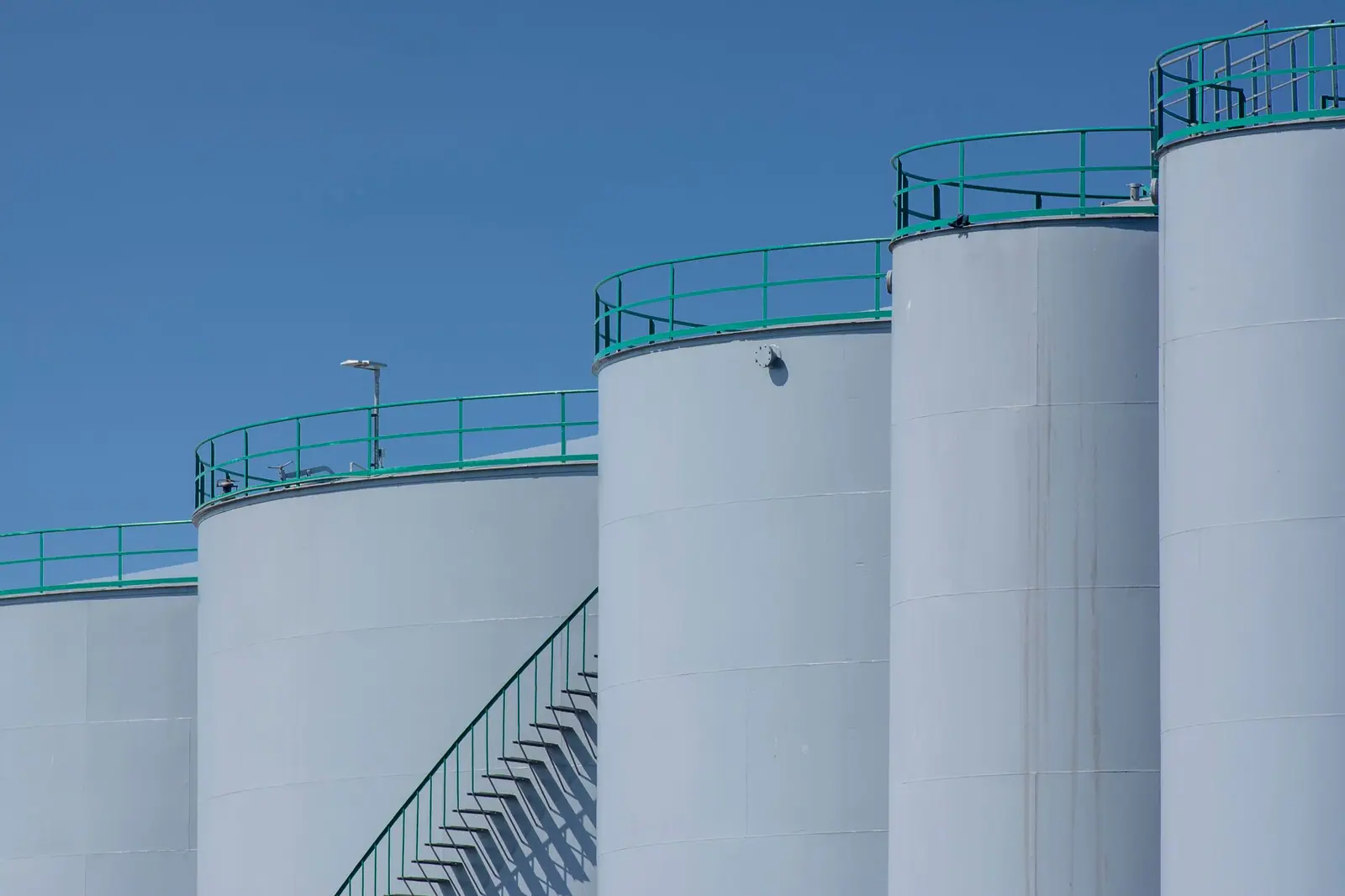
The National Assembly has repealed its decision of October 31, 2025, which temporarily suspended the export and domestic supply of diesel and jet fuel to European Union countries. The bill, submitted by the Council of Ministers, passed with the votes of the ruling majority — 121 lawmakers backed the repeal — and the change takes effect on the day it is published in the State Gazette.
Forty-two lawmakers voted against it — from Democratic Bulgaria, We Continue the Change and Revival, joined by three GERB-SDS MPs. Another 23 GERB-SDS lawmakers chose to abstain, while the DPS parliamentary group did not vote at all.
Lawmakers also rejected a proposal by GERB-SDS MP Alexander Ivanov to explicitly state in the text of the decision that gasoline and diesel prices for consumers would drop by 20 euro cents.
Why the ban was introduced in the first place The restriction took effect last year to protect the security of supply and the stability of Bulgaria's fuel market, at a time when Lukoil was under U.S. sanctions. Since then, however, the situation has changed: both Washington and London have lifted their restrictions on the Bulgarian companies within the group, including Lukoil Neftohim Burgas AD, after the governments of both countries granted them a full special waiver. This is stated in the explanatory notes to the draft decision.
According to the bill's sponsors, the risks that prompted the suspension of trade with foreign countries no longer exist. The ban, however, is causing problems — creating difficulties for businesses and losses for companies that cannot fulfill their contracts with foreign partners.
What the deputy minister explained Mihaela Karadimova, deputy minister of economy, investment and industry, told lawmakers that the Burgas refinery produces more fuel than the Bulgarian market can absorb. In other words, once domestic demand from consumers and businesses is met, there remains a quantity of output that, for purely economic reasons, needs to find a market abroad. According to her, lifting the ban does not mean exports will take priority over supplying the domestic market.
Karadimova cited specific figures — as of September 3 this year, the Lukoil Neftohim Burgas site held around 50,000 tons of diesel fuel, according to information from the company's special trade administrator. The deputy minister said this quantity exceeds the needs of the Bulgarian market. Its value is roughly $73.2 million. Additional volumes from production could accumulate in October, at which point the total value of the stored product could reach around $197.6 million. Karadimova added that Lukoil Neftohim is currently operating at 90 percent of capacity and first meets domestic demand.
Why the ruling majority voted "yes" Slavi Vasilev of Progressive Bulgaria argued that the export ban has no effect whatsoever on diesel prices, which are set by international markets. Suspending trade with foreign countries, he said, was instead helping the refinery and fuel traders while freeing up storage space needed for domestic trade. According to the lawmaker, the decision is market-driven and will either have no effect on diesel prices or push them down. Vasilev explained that diesel prices are based on an international benchmark price, which is affected by the war Russia has been waging against Ukraine since February 2022.
What the opposition objects to Asen Vasilev of We Continue the Change asked what actually determines that benchmark price, noting that since it is based on the price of crude oil, oil has a direct bearing on the final price of diesel. He pointed out that besides the fuel price itself, consumers also pay excise duty and VAT, and described the claim that this has no bearing on the final bill as the position of someone "wondering which Porsche to drive," rather than paying attention to what they spend at the pump. He said fuel prices are rising worldwide due to shortages, and it is precisely at this moment that the ruling majority has decided to scrap the export ban. They are trying to convince people this works in their favor. According to Asen Vasilev, the move benefits the diesel producer, who will sell it at higher prices abroad, while the final price for Bulgarian citizens will go up.
Hristo Gadzhev of GERB-SDS recalled that Bulgaria has been exporting fuel since the start of the year, as long as volumes exceed market needs. However, the previous National Assembly decided that this trade should be under state control, in order to prevent shortages at home. According to him, the new decision effectively removes that control, allowing businesses to export fuel whenever and in whatever quantity they wish.
Martin Dimitrov of Democratic Bulgaria described the move as risky and warned it could lead to a further rise in fuel prices. His DB colleague Ivaylo Mirchev claimed the decision to lift the ban bears the strong influence of "an oligarch close to Progressive Bulgaria, who was previously close to Delyan Peevski." Mirchev added that if all storage facilities in the country were full, prices could be lower.




Коментари (0)
Все още няма коментари.