
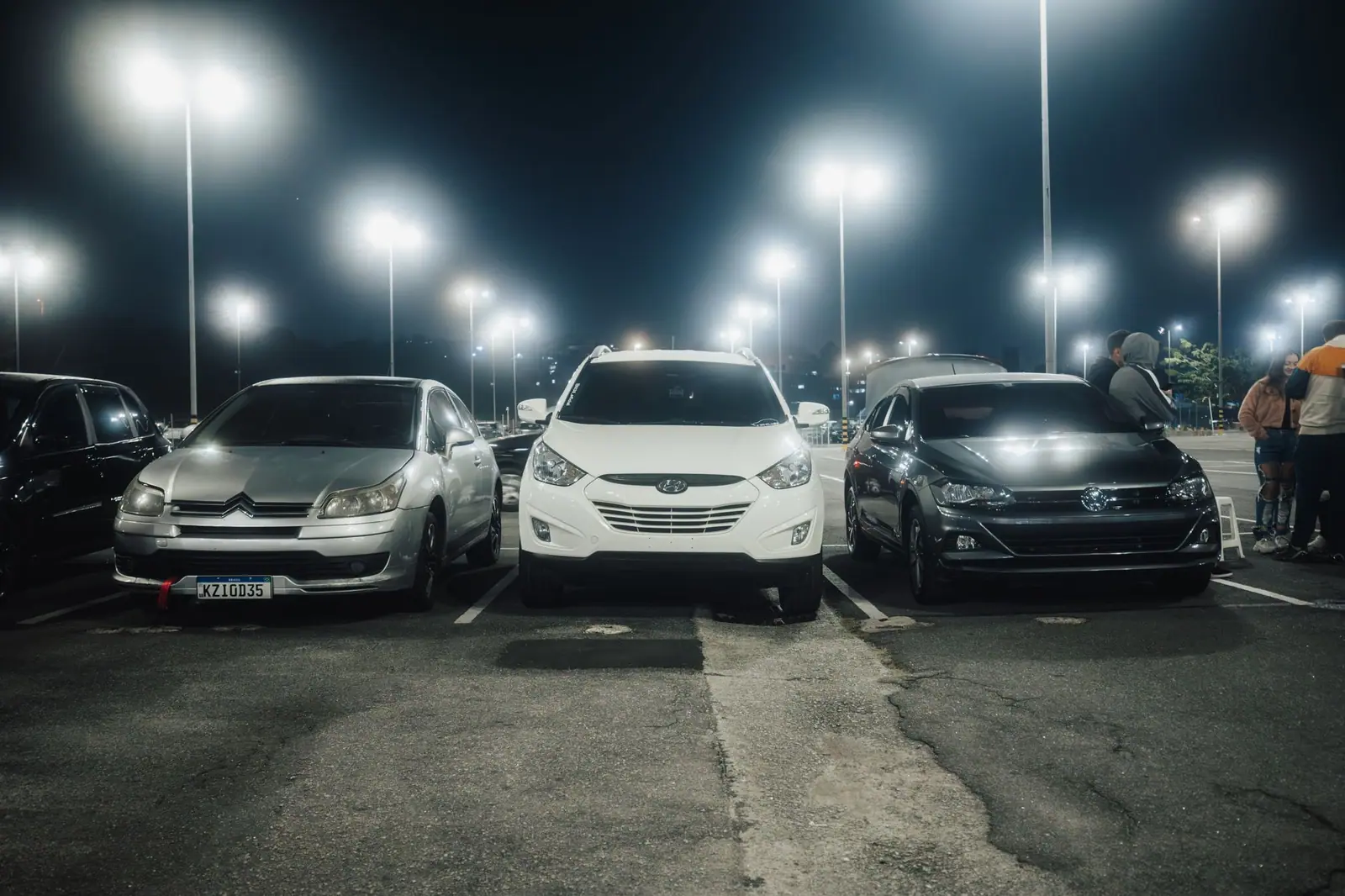
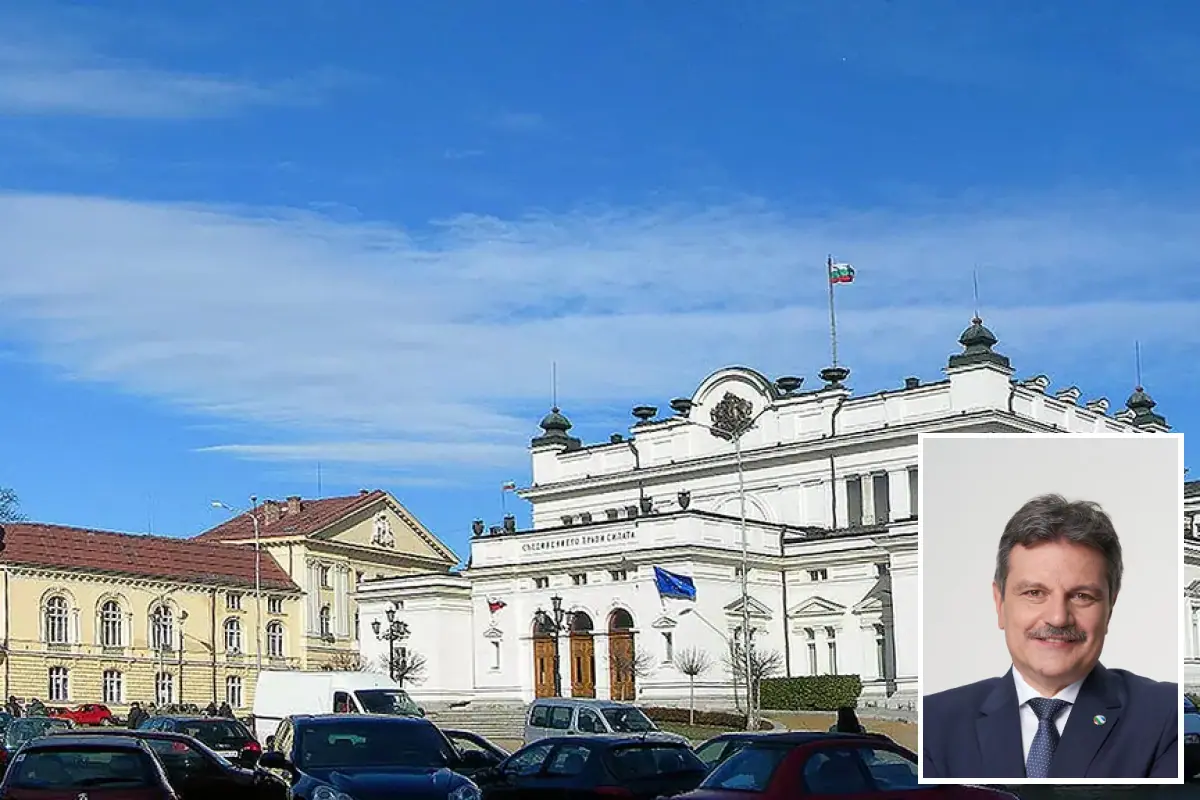
Members of the Committee on Regional Policy, Improvement, and Local Self-Government have rejected a bill at its first reading. The proposal would have limited official parking permits to a maximum of 10 percent of spaces in paid parking zones. Three deputies voted "for," none voted "against," but 17 abstained — causing the proposal to fail.
The bill was introduced by Yordan Ivanov of "Democratic Bulgaria," along with a group of MPs, on April 30, 2026. It proposed amendments to the Road Traffic Act.
The sponsors explain that there is currently no legal limit on how many spaces in a given zone can be allocated for official permits. Each municipality decides for itself, meaning rules vary from city to city. According to the deputies, too many spaces are being used for official purposes at the expense of regular drivers. This is felt most acutely in large cities and busy areas where parking spaces are already scarce.
The idea was that official permits should not exceed 10 percent of all parking spaces in a given zone, district, road, or section of a road. If the calculation resulted in a fraction, it was to be rounded up. The sponsors state that the goal is to have a uniform rule apply to all municipalities. This is intended to strike a balance between the interests of the public and the needs of state and municipal institutions, commercial entities, and all others who use official permits. They expect that this will make it easier for people to find available parking, especially in large cities where parking is perpetually in short supply.
Silvia Georgieva, Executive Director of the National Association of Municipalities in the Republic of Bulgaria (NAMRB), opposed the proposal. In her view, the measure is disproportionate and interferes with the authority of local government. She believes that municipal councils should independently decide via ordinance how many spaces to allocate for official permits based on the specific needs of their municipality. She also contends that the 10 percent threshold itself is too high.




Коментари (0)
Все още няма коментари.