
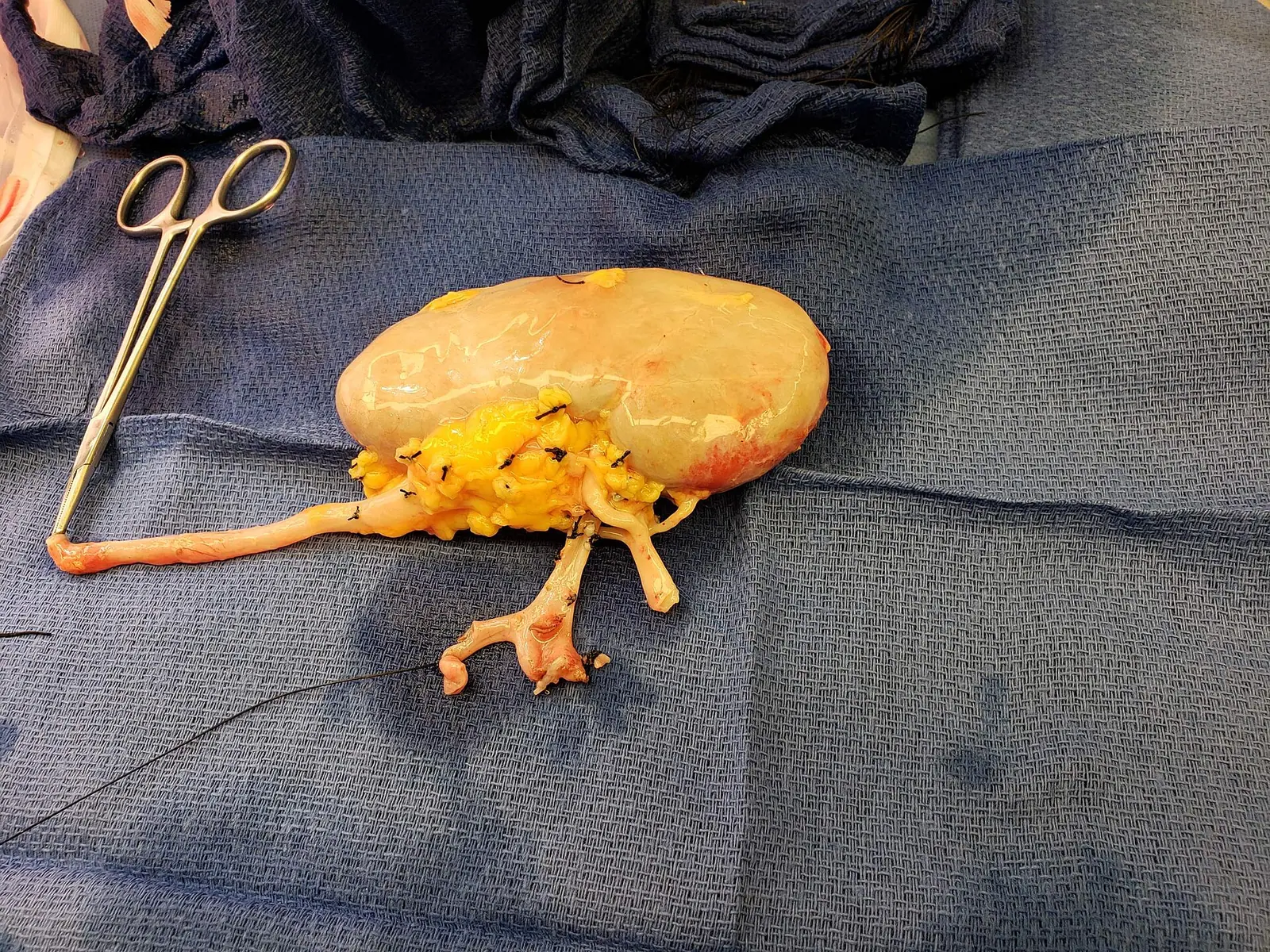
As of 6 October 2026, 923 patients in Bulgaria are waiting for a transplant, and 848 of them need a kidney. Radostina Getova of the Medical Supervision Executive Agency gave the figures.
Getova is an expert in the agency's directorate for managing, coordinating and controlling transplants and assisted reproduction. She presented the data at the 11th conference on pulmonary hypertension in Sofia. The Pulmonary Hypertension Association organised the event. Its chairman, Todor Mangarov, opened the forum and said the group is in constant contact with the National Health Insurance Fund (NHIF) and with the companies that import medicines.
Transplants in Bulgaria date back to 1968, Getova said. For 2026, requests cover 13 deceased donors, and the transplants sought are 17 kidney, two heart and seven liver. In all, 50 patients in 2025 and 2026 got help to have a transplant abroad.
MP Alexander Simidchiev, a lung specialist, looked at the experience of other countries and the options the law gives. Eurotransplant coordinates the exchange and sharing of donor organs among European countries. Bulgaria's membership there matters a great deal, Simidchiev said, and it requires 100 transplants a year.
Assoc. Prof. Dr Vasil Velchev of St Anna University Hospital in Sofia specialises in diagnosing and treating pulmonary hypertension. He said pulmonary arterial hypertension is a rare disease that affects women more often. Patients are 50 years old on average. Tiredness is the first sign, and doctors can confirm the diagnosis with an X-ray, an ultrasound and an ECG.
A lung transplant is still hard to get in Bulgaria, Velchev added.
Dr Sarkis Kalustyan, also of St Anna hospital, spoke about treatment and how doctors approach patients with the thromboembolic form of pulmonary hypertension. Students from the medical universities in Varna and Sofia also took part in the conference. The talks covered translational research in Bulgaria and new therapies.
Velchev said a new drug for the disease, an injection under the skin, is due to be reimbursed next month. He said it will be a good addition to all the medicines already available.





Comments (0)
No comments yet.