
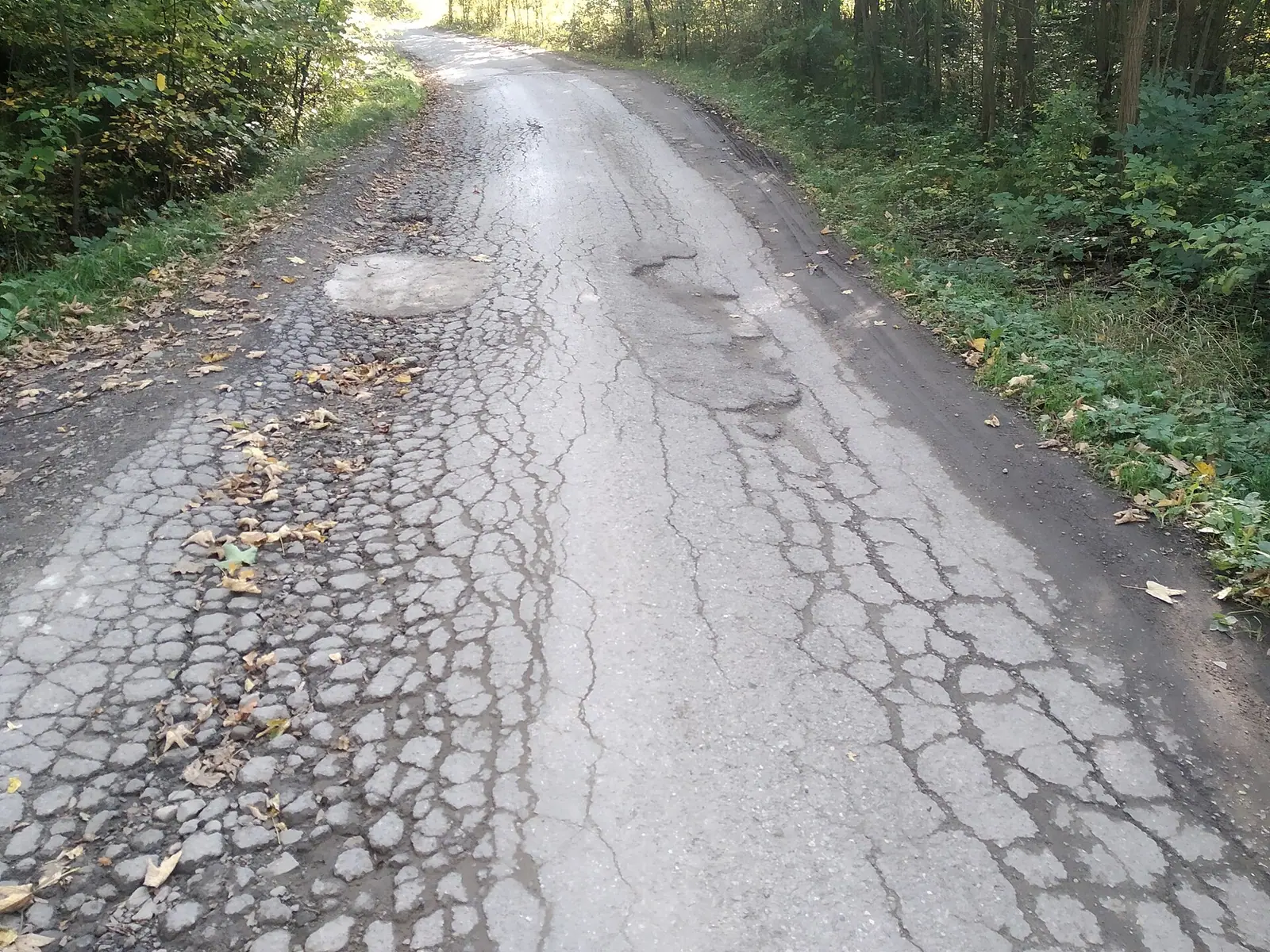
In a statement to parliament, Vazrazhdane MP Petar Petrov asked the Council of Ministers to send parliament a joint report from the Interior Ministry, the Regional Development Ministry and the Road Infrastructure Agency on the rise in road deaths and injuries under the current government.
He cited Interior Ministry figures: from the start of the year to 15 October, 394 people died on Bulgaria's roads and 6,811 were injured. That is 57 more deaths and 109 more injuries than in the same period of 2025.
The statement says Bulgaria had the highest road death rate in the EU in 2025, at 71 deaths per million people, 65% above the EU average.
Vazrazhdane is pressing for urgent action, with named officials in charge and set deadlines. It wants the Regional Development Ministry to publish a list of steps to make dangerous stretches of national roads safer before winter. It also wants a report on delayed repairs, price indexation and the penalties imposed under contracts. The cabinet should report results to the public regularly, the party says.
Petrov warned that dangerous stretches risk "turning into death traps for more and more innocent people". Behind the numbers, he said, are lives cut short, families, children left without parents, parents who buried children, and thousands of people facing a long or permanent recovery. The public has a right to ask why more people are dying, Vazrazhdane says.
Law changes a year ago raised fines and brought in average-speed checks on national roads and motorways. The government of Rumen Radev also backed them. Petrov says they were announced with fanfare as a road safety tool, but in practice are only a way to collect fines.
Over the year, fines collected fell by €11m, or 20%. Some 875,000 penalty notices have not been delivered. Average-speed checks caught 78,000 violations in a year, and the Interior Ministry says no penalty notice was issued in 34,000 of those cases.
Vazrazhdane says foreign drivers are in effect not fined after being caught on camera, and that average-speed checks are used to fine working Bulgarians. For foreign drivers, it says, they are useless. Speed control is needed, the party says, but its effect must be shown with results that can be checked. It says it has asked many times for specific data on how well fines and checks work, and that the information it received points to problems.
The government has raised the price of road vignettes by 30%. According to Vazrazhdane, the minister explained that the road network cannot cope with the traffic and that there is not enough money. The party finds it worrying that the cabinet has the administrative capacity to change the methods for setting prices and to index construction contracts upwards, but does not give a convincing public report on safety and deadlines.
Petrov asked where the report is on making road sections safer, restoring road markings, and the state of road surfaces, drainage, signs and safety barriers. He said the Regional Development Ministry and the Road Infrastructure Agency are responsible for the grim figures, have no results the public can see, and work as if in complete secrecy.
The state, the MP says, reports on formal activities, applications, plans for digital centre projects and PR campaigns, while warning of checks and fines. Offenders are blamed, he said, and never the owners of the road. Vazrazhdane says the state must provide roads that limit the risk of accidents and the harm from human error.
"Ask for a guardrail certificate and you get a certificate from the minister saying you are taking part in a political attack," Petrov added.
The regional development minister has not given Petrov the report he asked for on the work of the Avtomagistrali company, and the deadline under the rules passed 10 days ago.
Comments (0)
No comments yet.