
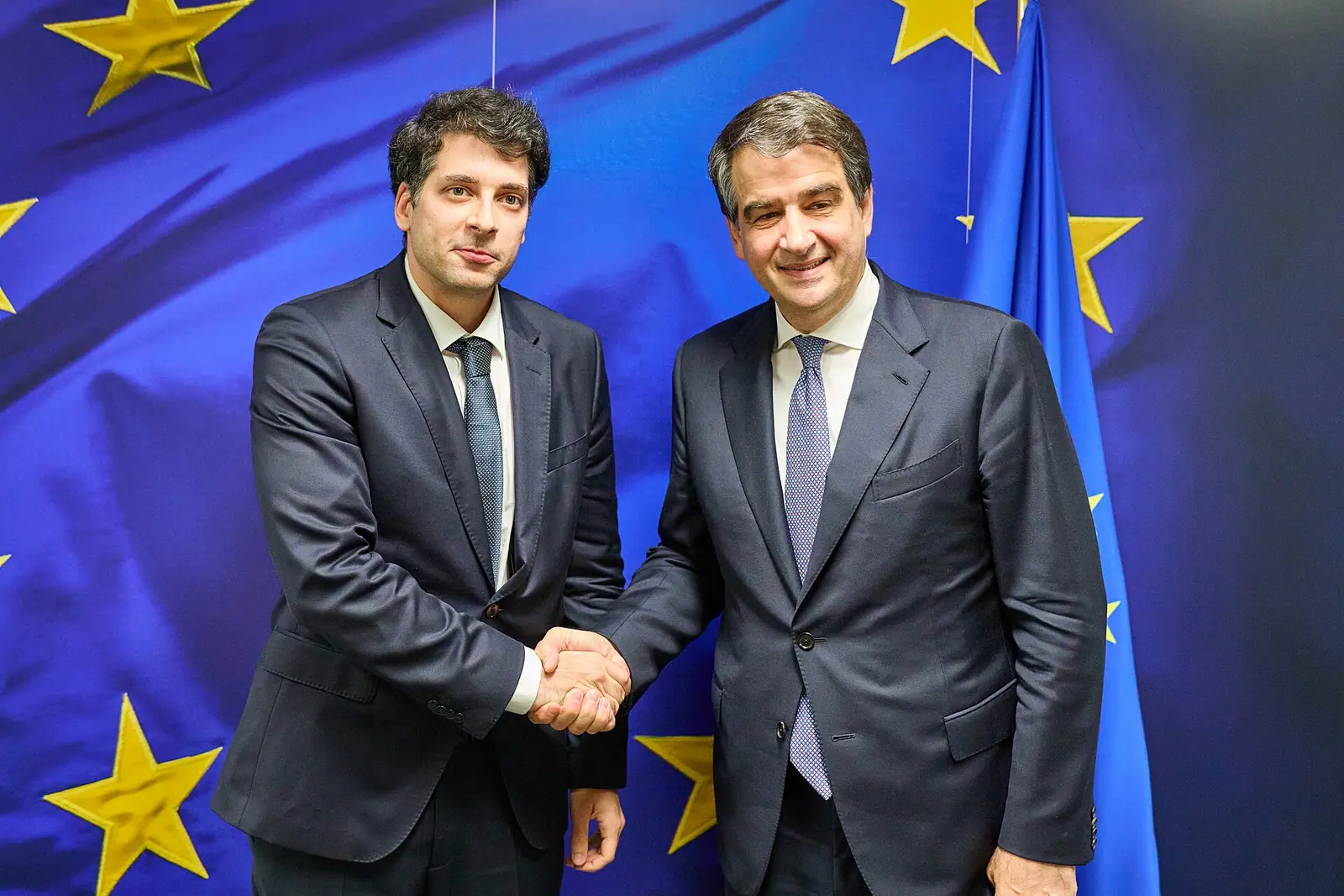
Bulgaria has sent its fifth and final payment request under the National Recovery and Resilience Plan to the European Commission, worth 1.823bn euros, the Council of Ministers says. The request marks the last 59 steps and targets under the plan as complete.
The Commission now has up to two months to assess it.
The reforms covered in the report include a new anti-corruption commission, integrity tests for civil servants, changes to public procurement rules, and steps to improve water and sewage services.
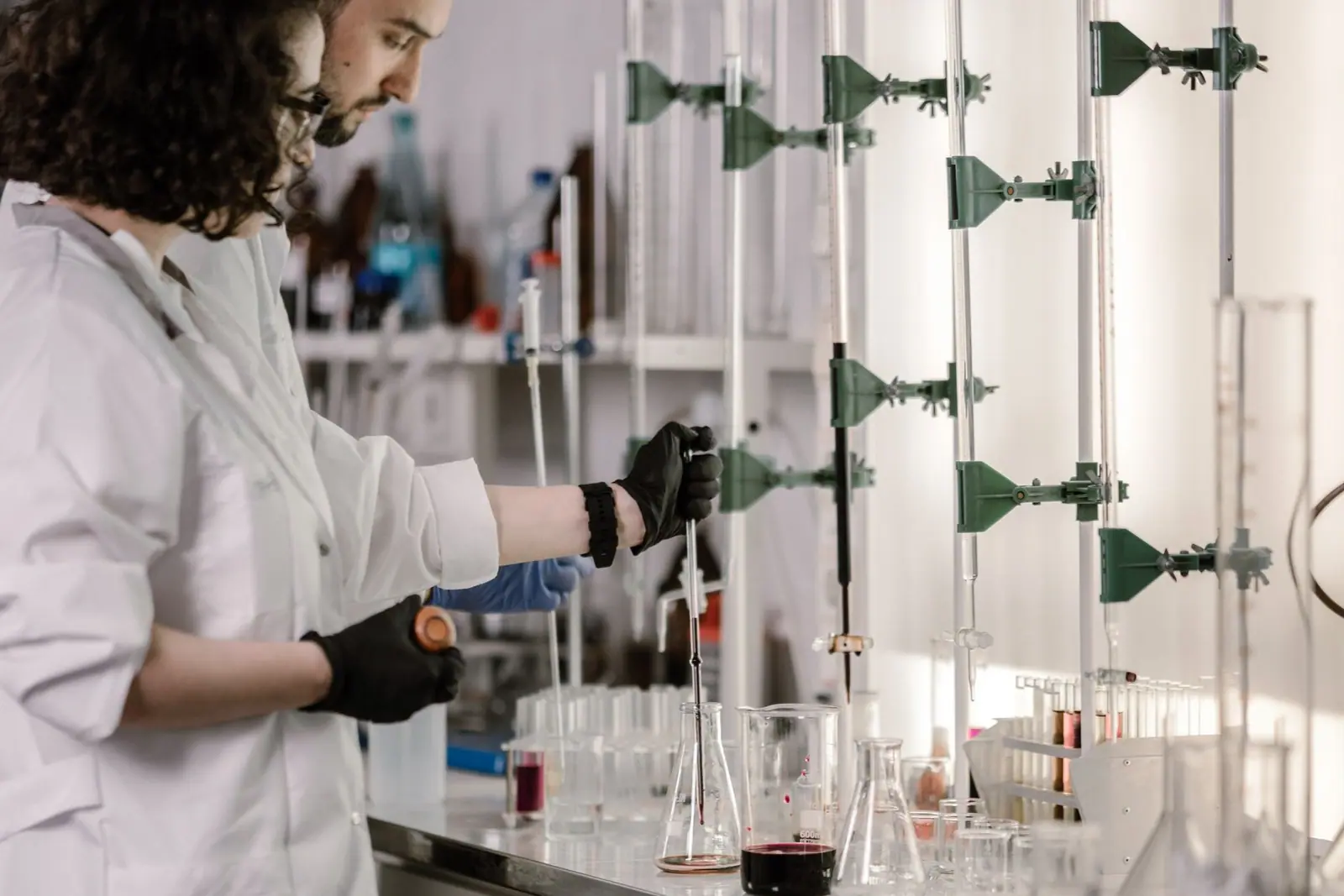
The government also points to results in education. It has built one national STEM centre plus three regional ones, and more than 2,000 STEM labs are now running in state and municipal schools. More than 174 education buildings have been renovated too, including university campuses, vocational schools and student dormitories.
In health and social care, the report lists new equipment for more than 50 hospitals, including cancer and children's hospitals, 25 renovated psychiatric facilities, and 100 equipped outpatient clinics in areas with poor access to medical care. Close to 250 care homes for the elderly and for people with disabilities have been renovated, and people with permanent disabilities have received more than 2,000 pieces of assistive equipment.
On transport, the plan covers 32 electric trains, three new metro stations and eight new metro trains for Sofia. High-capacity internet has reached more than 600,000 people in under-served, rural and sparsely populated areas.
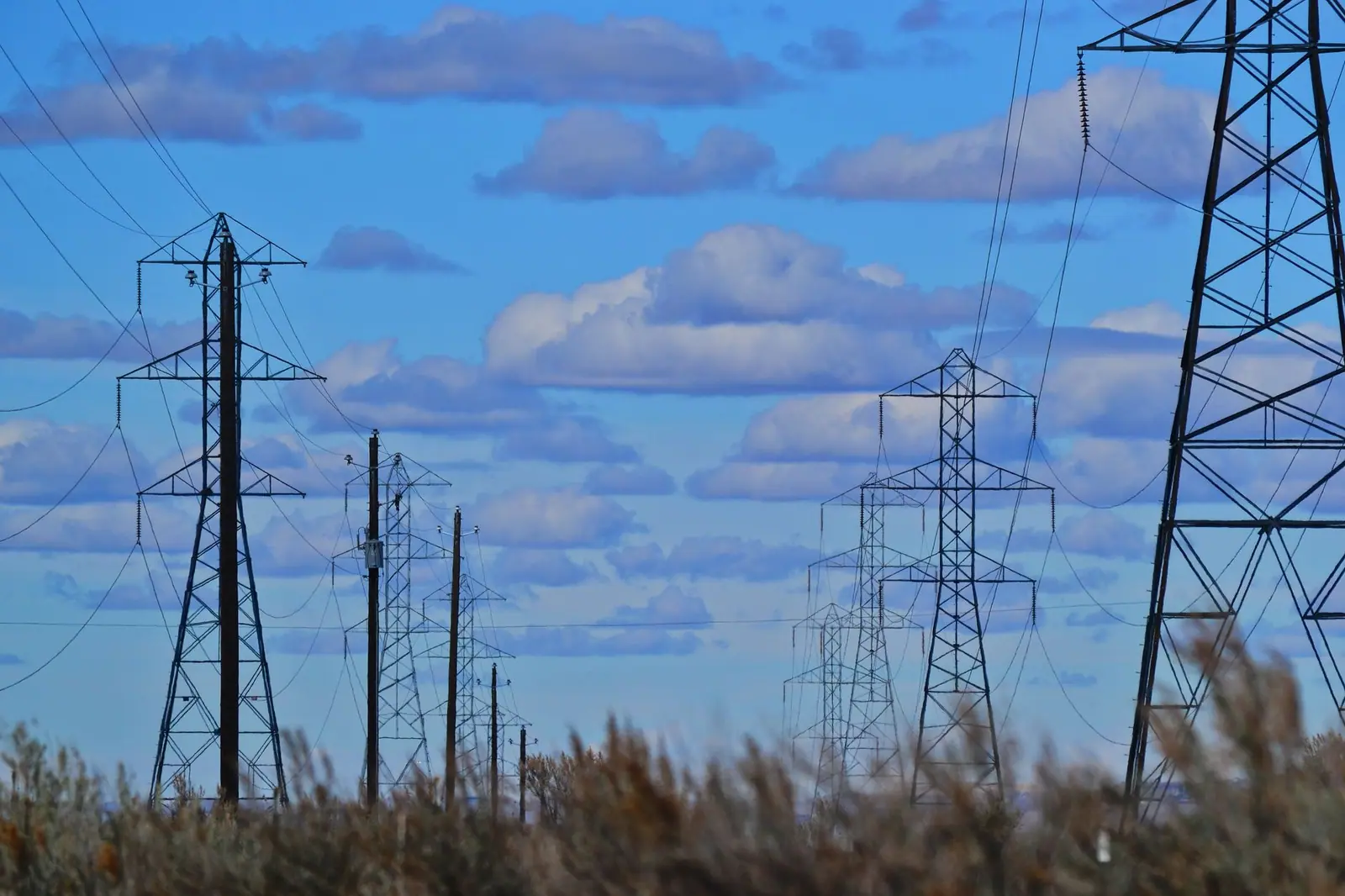
On energy, the report lists energy-efficiency work in homes covering more than 2bn square metres of floor space, plus work in more than 500 non-residential and commercial buildings. More than 100 towns have switched their street lighting to energy-efficient bulbs. The power grid has also connected more than 5,000 megawatt-hours of batteries and close to 1,500 megawatts of renewable capacity paired with batteries.
The Council of Ministers says the government has worked to catch up on delays and finish investments that matter for the economy and for people.
In mid-September, deputy prime minister Atanas Pekanov appeared before parliament's committee on European affairs and control of European funds. He said the fifth payment request had to go in by 30 September and that its full value was just over 1.8bn euros.

Comments (0)
No comments yet.