
The EU's next funding period will have no separate Just Transition Fund. Its money will instead move into the new European funding framework. The change is part of the 2028–2034 plan presented today by Rumyana Grozeva, executive director of the Stara Zagora regional development agency AРИР, at the forum "Cohesion policy in action: results, innovation and more chances for regions in transition" in Stara Zagora. The fund currently holds 1.4 billion euros. That raises a question, Grozeva said: will support stay focused on specific areas, especially regions still in transition such as Stara Zagora?
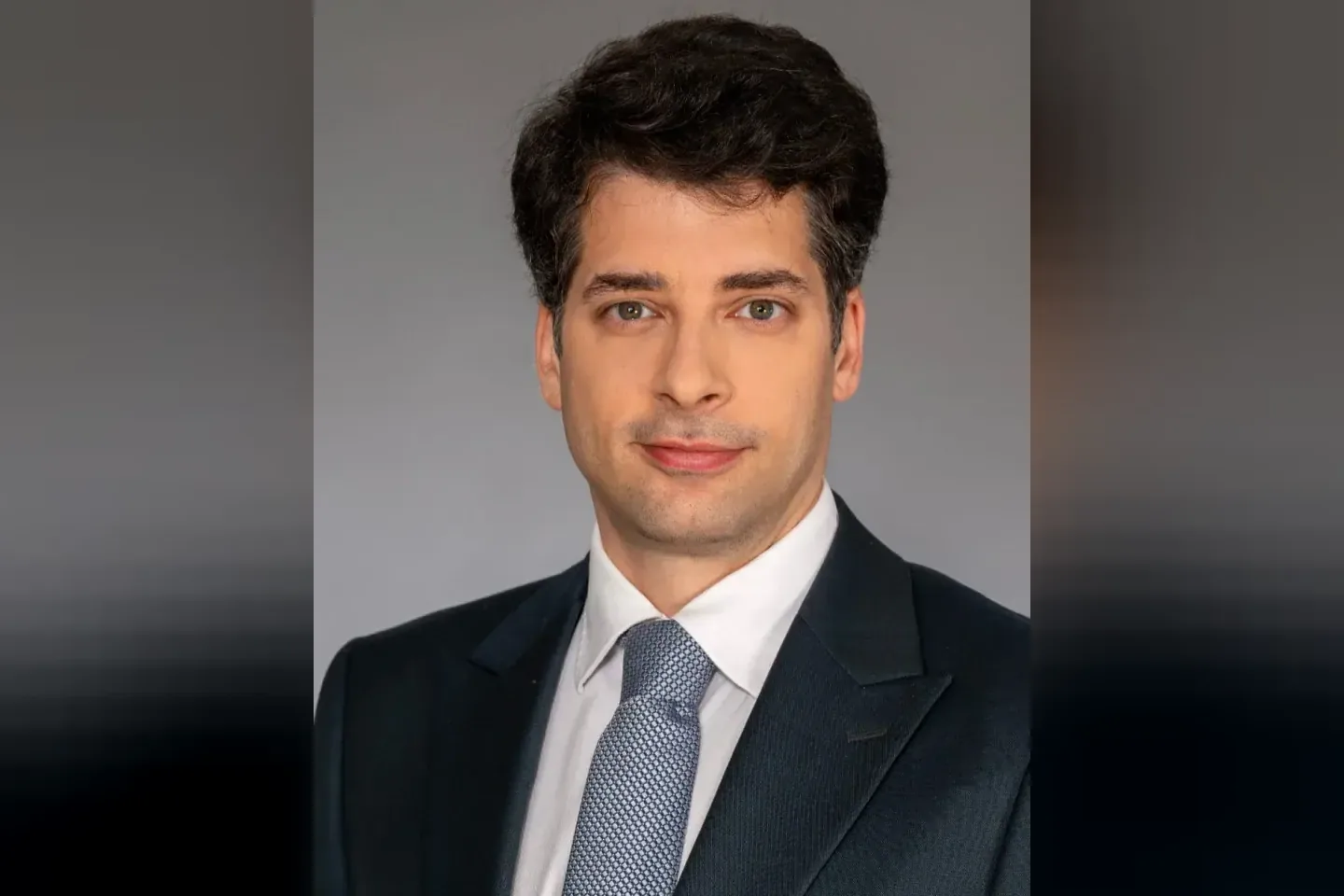
Deputy prime minister Atanas Pekanov addressed the forum by video message. Coal regions matter a great deal for Bulgaria, he said, and need new opportunities opened up for them. Decisions must not put the regions or their jobs at risk, he said, but should prepare the ground for the future.
"We need to act responsibly and build on the traditions we have in these regions," Pekanov said. The low-carbon economy, he added, makes room for new technologies suited to each region's own strengths, and the fund's money must be spent as well as possible. People and regions need to be ready for changes in the economy and in the geopolitical situation, he said.
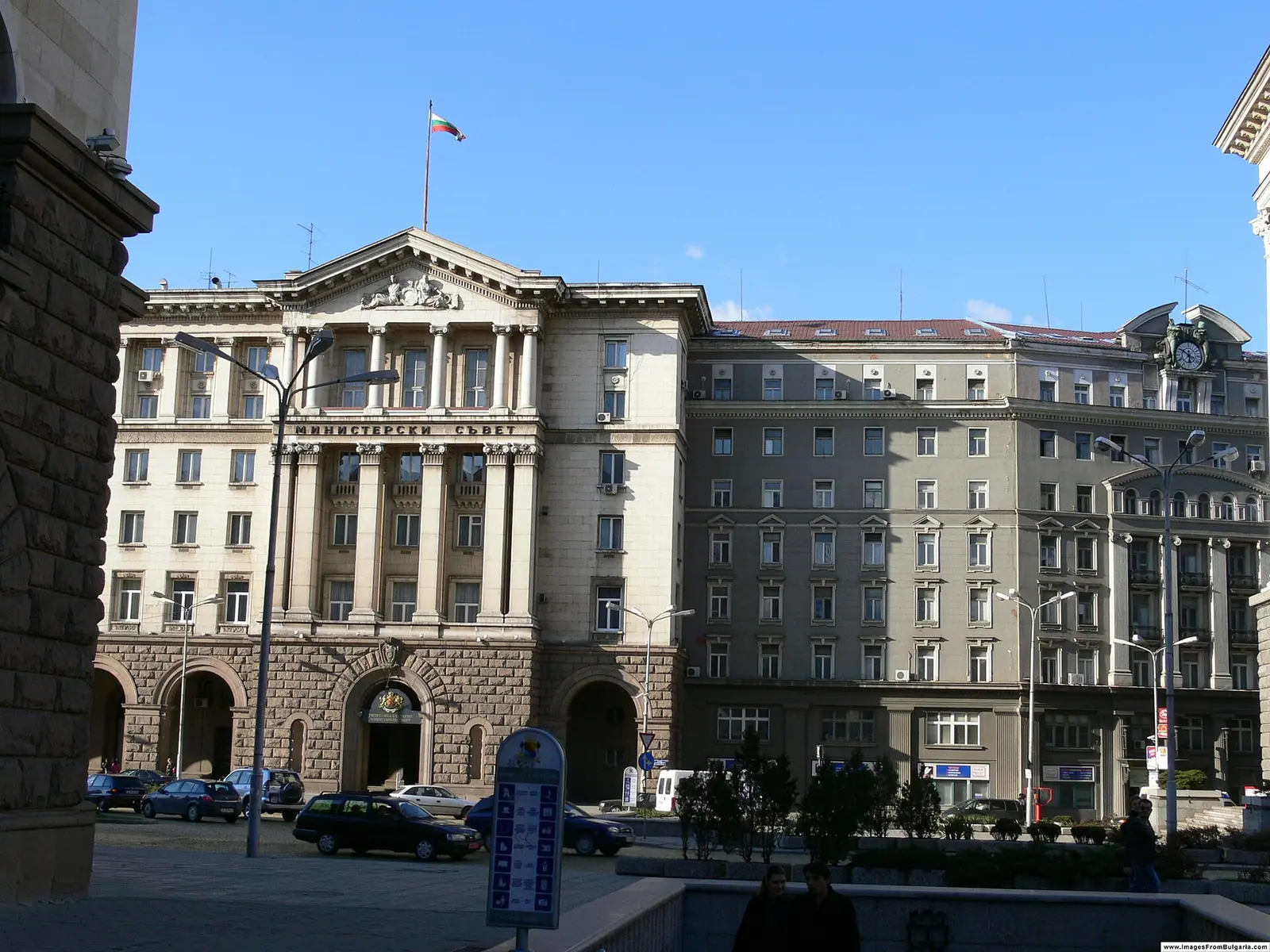
The government has already adopted an action plan. Its priorities are industrial parks for new production, support for small and medium businesses to invest and create jobs, new and innovative technology, and training and retraining for workers.
The forum's second part looked at the proposed EU budget for 2028–2034 and how it brings together cohesion policy and the push for a more competitive European economy. Grozeva laid out the difference between the two.
Cohesion policy is tied to specific places. It aims to narrow the gap between regions and open up access and partnership. Competitiveness funding, by contrast, is built on money for new research, leading technology and business growth, she explained. The two goals don't necessarily clash, but they don't mean the same investments either — the argument is over where the money goes and how projects get chosen.
She pointed to space technology as an example. Companies in that field get competitiveness funding where a network of firms and specialists already exists, and the money isn't shared out based on what each area needs. Funds could end up going mainly to the most developed places, Grozeva warned, with no answer to who pays for infrastructure, skills, research capacity and getting regions ready.
From 1 January 2027, Bulgaria moves from six to four NUTS 2 regions, the units used to plan and report on EU funding. Stara Zagora, Pernik and Kyustendil will form part of the new Southern region. The wider grouping helps with planning, Grozeva said, but doesn't erase the differences between areas, since an average for the whole region hides many needs and industrial risks. That's why the specific needs — land, networks, technology and shovel-ready projects — must be mapped out early, while the next period is being prepared.
From 2007 to 2025, Bulgaria received over 36.9 billion euros from the EU budget, against a contribution of about 10.5 billion euros. For 2021–2027, EU funding for the green and digital transition and for regional change comes to 10.7 billion euros, or 12.9 billion euros including national co-funding. Stara Zagora province has been given 235.4 million euros in grants under the main EU programmes for 2021–2027.
In the "Zagore-Elenino" industrial zone, seven plants are under construction, with planned investment above 225 million euros and more than 2,000 jobs expected. The zone's infrastructure has 16.4 million euros set aside for it.
EU money has paid for a makeover of Stara Zagora's public spaces, parks, cultural venues and pedestrian areas, plus new buses, trolleybuses and electric taxis for city transport, Grozeva said. At a separate panel on media coverage, organisers presented the "EU Money 101" platform, a handbook for journalists, and the partner media networks.



Comments (0)
No comments yet.