
North Macedonia has agreed to let Bulgarian doctors help assess the health of a Bulgarian woman with dual citizenship who is on trial there, Ivan Golomeev said in a statement for the "Progressive Bulgaria" parliamentary group. The agreement came in an official note dated 5 October.
The Bulgarian embassy confirmed the note on 6 October. The doctors have yet to be named, and a joint examination has yet to be set up.
The woman is charged over a car crash in North Macedonia in early October 2025 in which one person died. The charge is a road safety offence. Several people were hurt, including her. She holds both Bulgarian and North Macedonian citizenship.
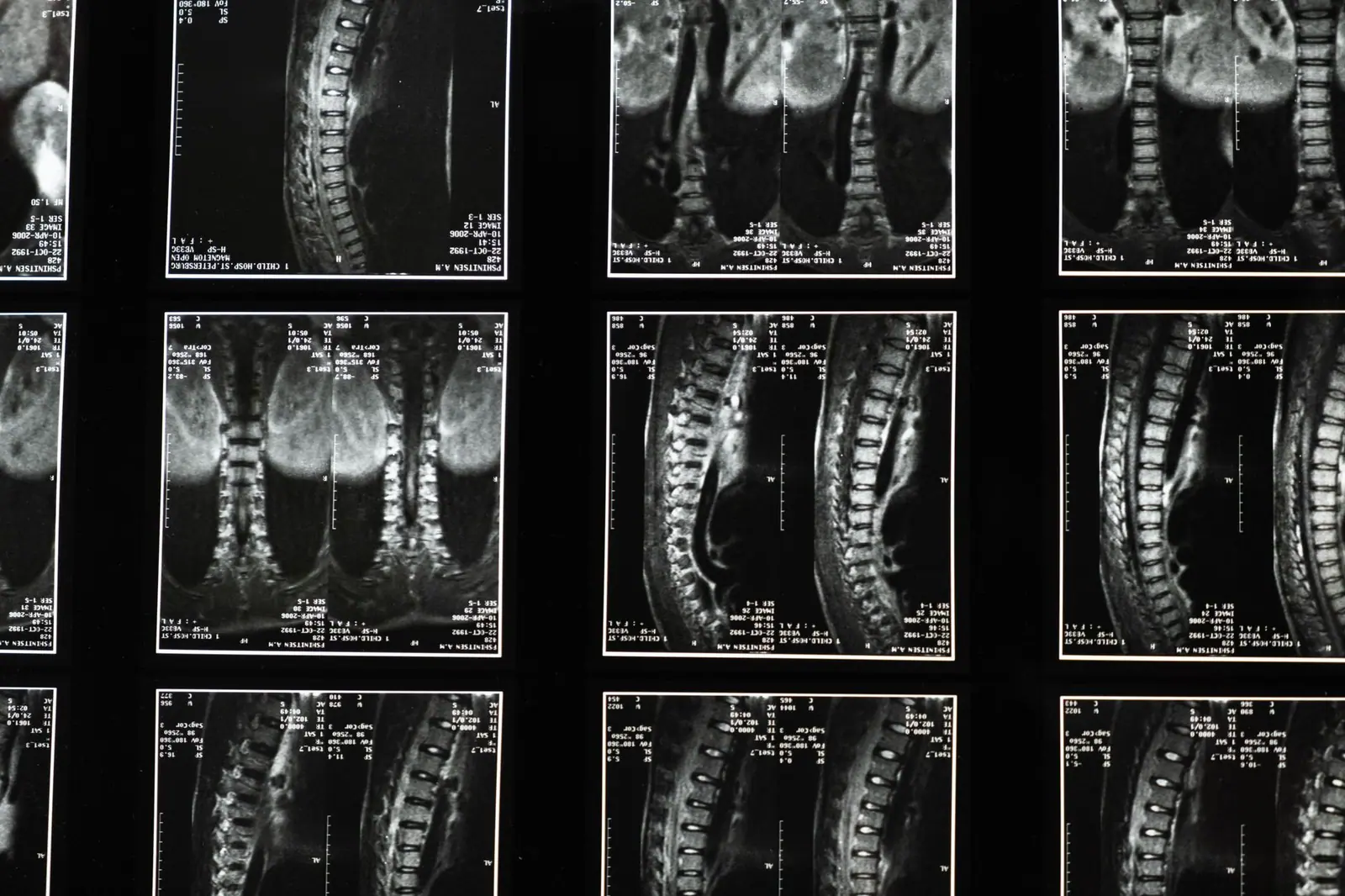
Her documents were taken after the crash, so she cannot be treated in Bulgaria. Bulgaria is one of the countries where treatment is possible, because of the nature of her spinal injuries.
Golomeev said that after months of worry this was a positive step by the North Macedonian authorities. "We welcome the agreement to let Bulgarian doctors take part, and we expect it to quickly turn into a real examination and the treatment she needs," he said. The group wants the chance used at once, and wants the defendant to get a full defence and a fair trial. It also backs her call for access to treatment, with respect for the independence of the trial.
"Progressive Bulgaria" called on all other groups in the National Assembly to back joint action in four areas. First, the visit by the Bulgarian doctors should be arranged at once, with the foreign and health ministries. After the examination, she must get the treatment she needs with no further delay. If the treatment means travelling abroad, Bulgaria should press for a proportionate change to her restrictions, with guarantees that she will take part in the trial.
Second, Bulgaria should work with the European Commission and the European Parliament, through a joint appeal with up-to-date information for the media. The case should be raised in the rule-of-law dialogue with North Macedonia, and Bulgaria's MEPs should help keep international attention on it.
Third, Bulgaria should follow up the questions already put to the Council of Europe and work with its commissioner for human rights. The group also asks for help from the UN High Commissioner and the special rapporteur on the right to health.
Golomeev said the case has reached the European and global level, and other international bodies know of it. He said President Iliana Yotova raised it with Council of Europe Secretary General Alain Berset on 16 September, and with UN High Commissioner for Human Rights Volker Türk in New York on 22 September. The group thanks Yotova for her commitment.
The statement says the defendant and her family can be sure Bulgaria stands behind them. The fourth area is help for the defendant and her lawyers in taking her case to the European Court of Human Rights, as long as the admissibility conditions are met.


Comments (0)
No comments yet.