
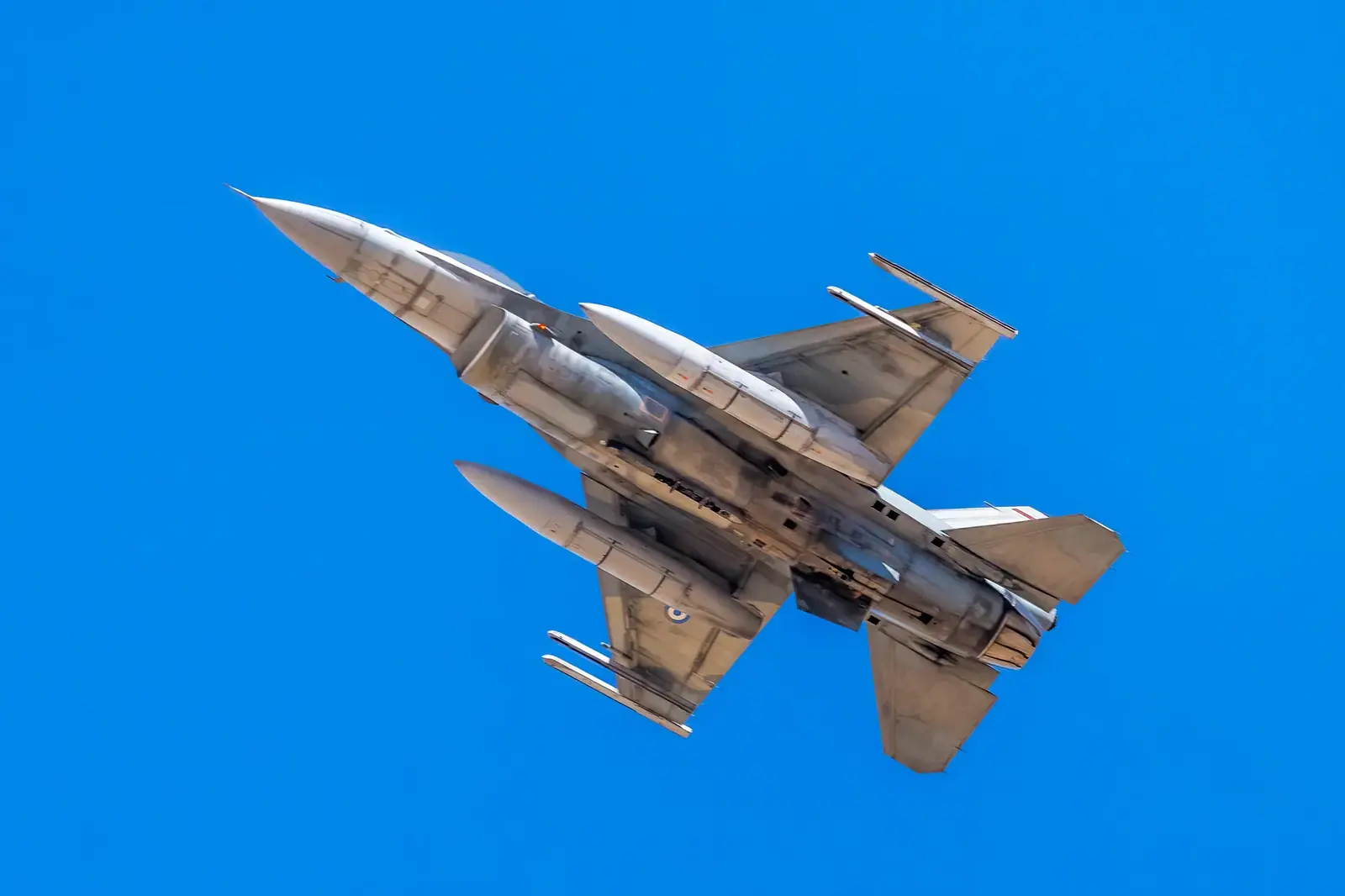
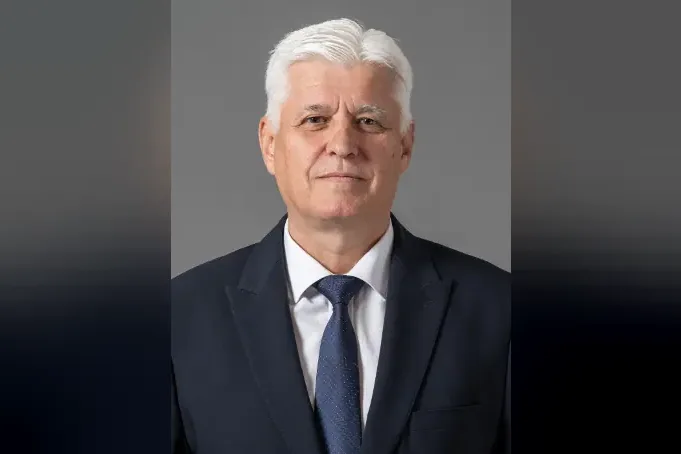
Air force commander Maj Gen Nikolay Rusev says the most urgent task is to finish the F-16 simulator so it can start regular work. He said this in a written interview with BTA ahead of Bulgarian Air Force Day on 16 October.
The air force guards Bulgaria's airspace and meets its Nato collective defence duties without a break. "Protecting Bulgaria is not just a job but a calling, which demands courage and total dedication from our whole close-knit team," Rusev said in his greeting to military personnel, civilian staff and veterans.
Payments under contracts with the French defence ministry and the company Thales for three-coordinate radar systems and their maintenance will start by the end of October. The money comes from the EU's SAFE debt instrument. Rusev calls the project a major success. Sites for the radars and for surface-to-air missile systems still have to be designed and built. He says this will be a fitting answer to asymmetric threats.
Contracts for new weapons systems for the surface-to-air missile troops and the radio-technical troops have also reached their final stage.
Bulgarian pilots have trained for the F-16 in the US since 2020, and the training goes on. Next year several more will finish the basic course there, including training to lead flight groups. The first Bulgarian F-16 instructors will start training once they have gained enough practical experience. They will then run the training in Bulgaria.
The switch began with flying and engineering staff moving to the F-16 Block 70 jets, delivered at the end of last year. Air force command picks pilots by strict, objective criteria so that the most able people fly the new fighters. The process takes several years.
Pilot training now costs more, and schedules have been interrupted for reasons outside the air force's control. This has slowed the switch. The question put to the commander mentioned a delay in the second batch of eight F-16s, but he did not address it.
Two facilities for the new jets are still not ready: the laboratory for test and measuring equipment and the building for servicing parachutes. Rusev says the preparation and upgrades aim to bring the new combat systems to full operational capability quickly. The nearest goal is to bring the platform into service as planned and build the airfield infrastructure. At a later stage, all modern platforms must be joined in one system with the combat readiness needed for national and allied duties.
Flying depends on how many aircraft work and on how much money is available. Rusev says the switch is hampered mostly by late deliveries of spare parts and materials for existing aircraft, shortages of consumables and software, and current gaps in staffing.
The MiG-29s remain the main jet guarding the airspace and give time to bring the F-16s into service. Bulgaria's jets were built in 1988–1990. Their service life is 4,000 flying hours or 40 years, and it is running out in stages. The aim is to use it fully but safely.
For the MiG-29s, the air force has held meetings and sent inquiries to Poland, Hungary and the Czech Republic about supplies and repairs. A procedure has been announced for a framework agreement on overhauls of up to 10 RD-33 engines, and contracts for spare parts and consumables are being carried out.
One fighter squadron is far too few for the air force, the commander says. He says systematic modernisation runs deep and needs large funds, new approaches and dedication.
Fighters alone cannot stop drones of different classes, Rusev said. A modern multi-layer system of capabilities across the armed services is needed.
Among sergeants and soldiers the staffing gap is small because of strong interest, with regular competitions for recruits from civilian schools and training at vocational colleges. The shortfall among officers is bigger, but the trend is positive because more young people are being admitted to military academies.

Comments (0)
No comments yet.