
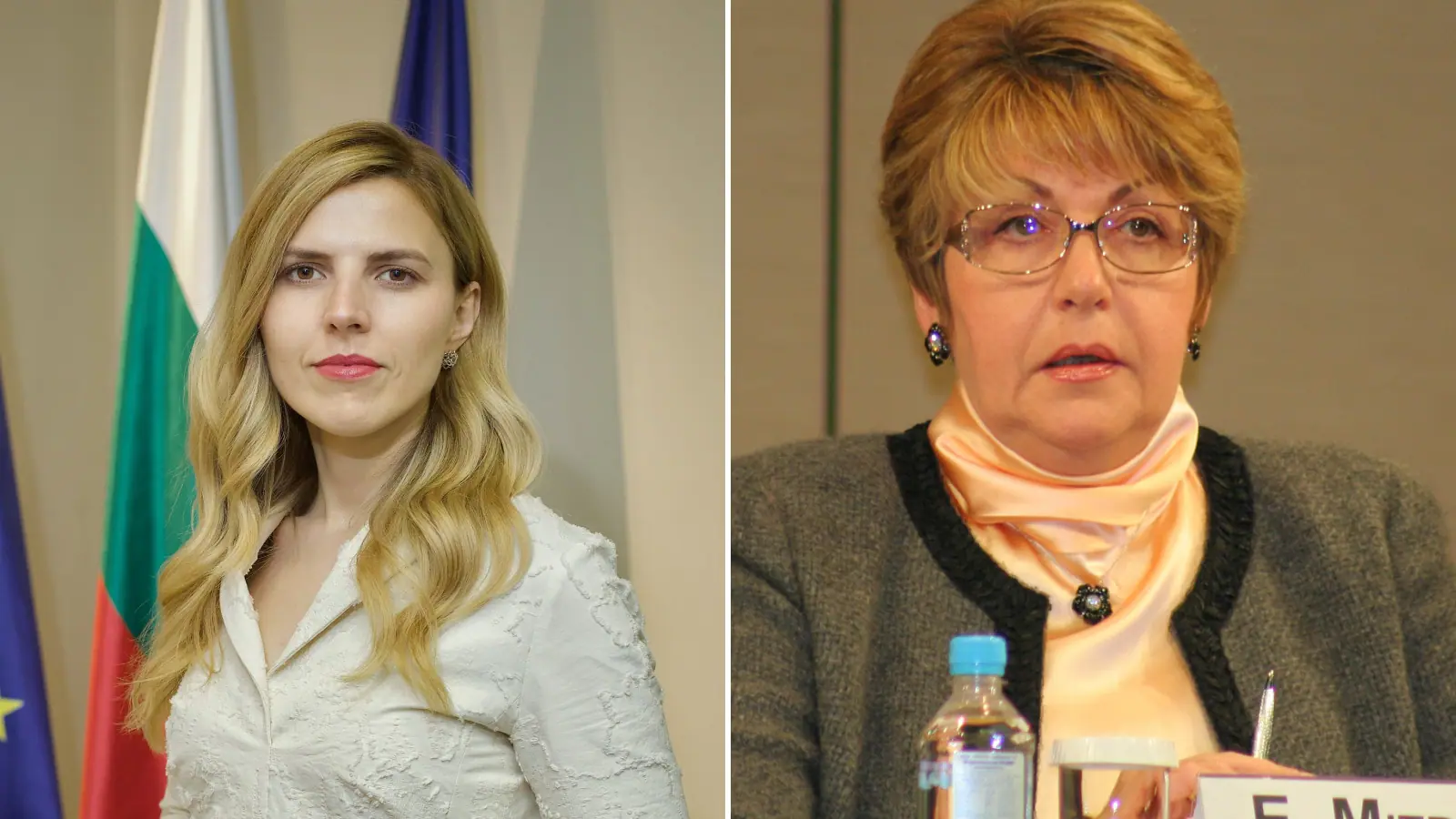
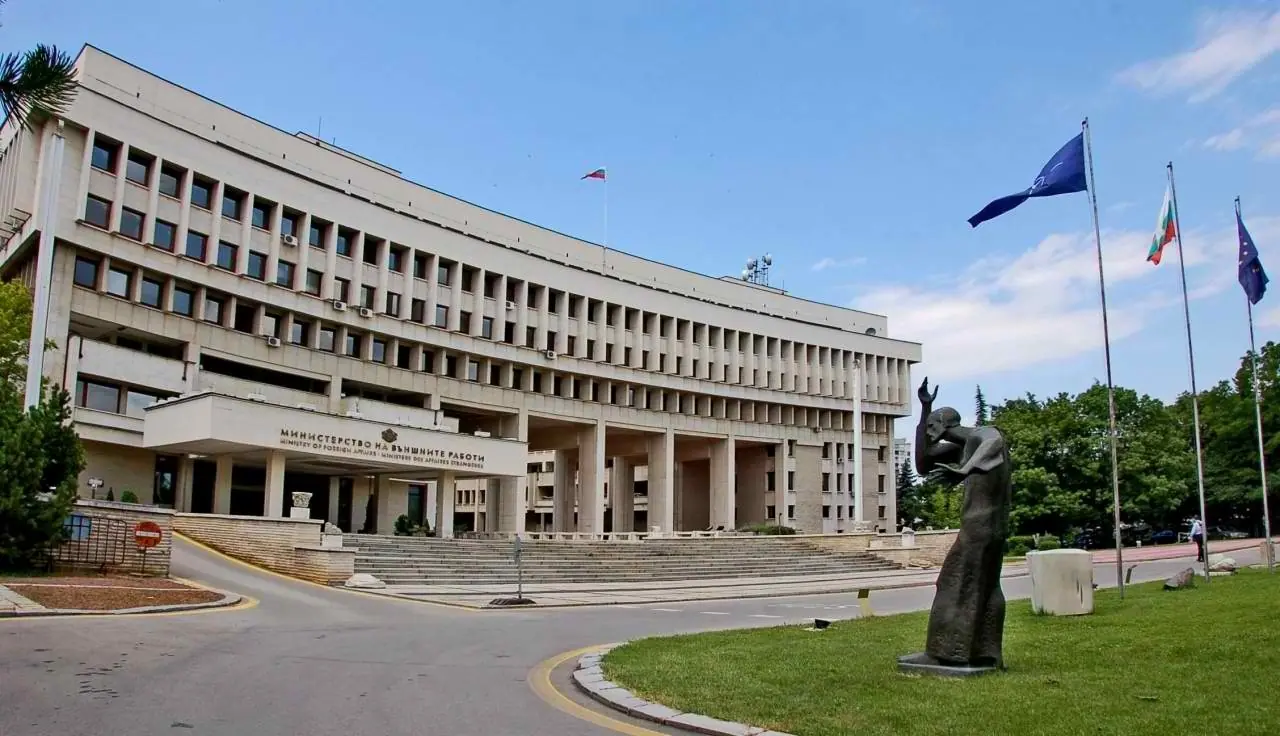
Bulgaria is working to get proof of where the drones came from as soon as possible, foreign minister Velislava Petrova said in a TV interview. She said the government wants evidence first and will draw conclusions only then.
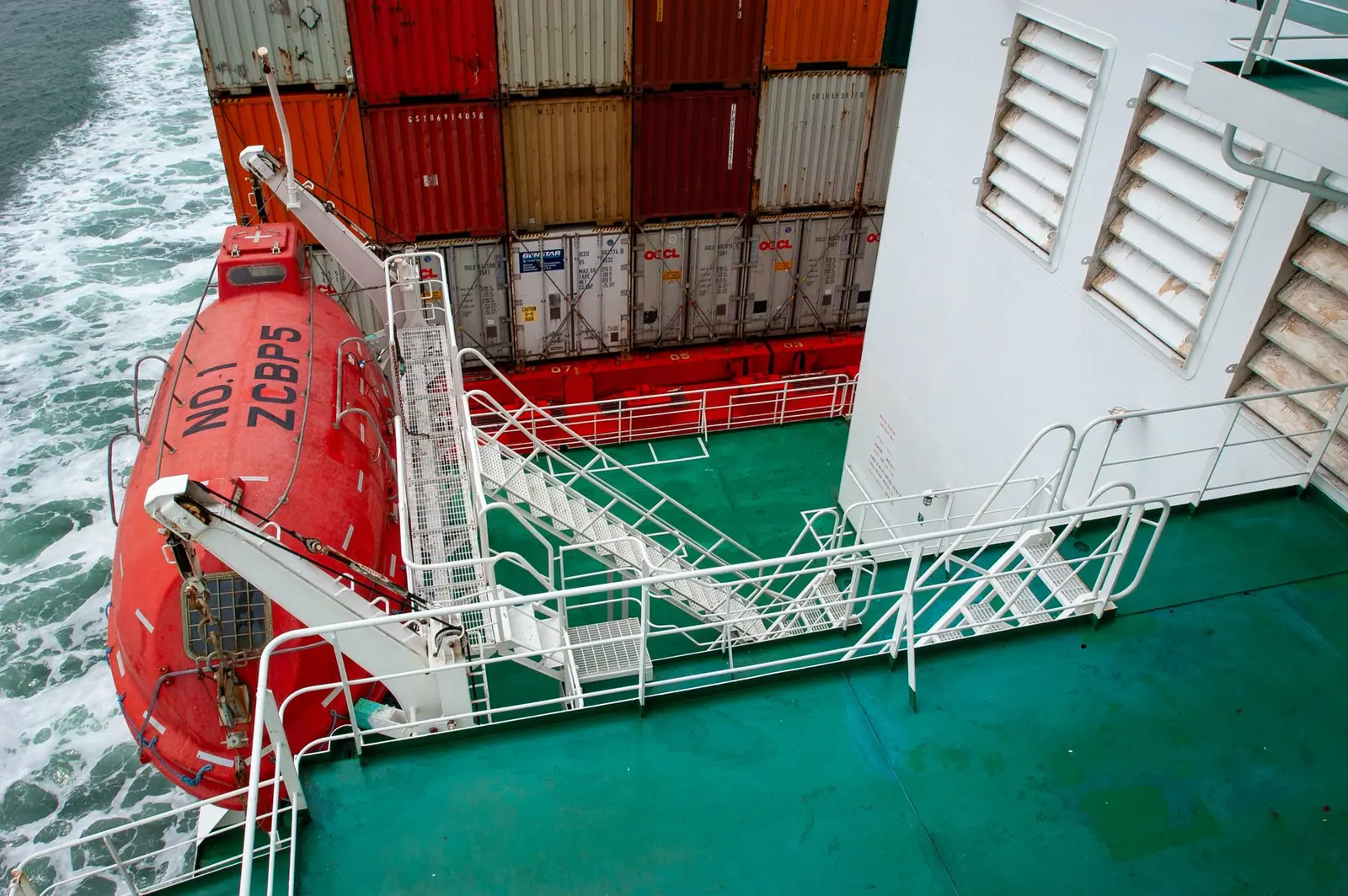
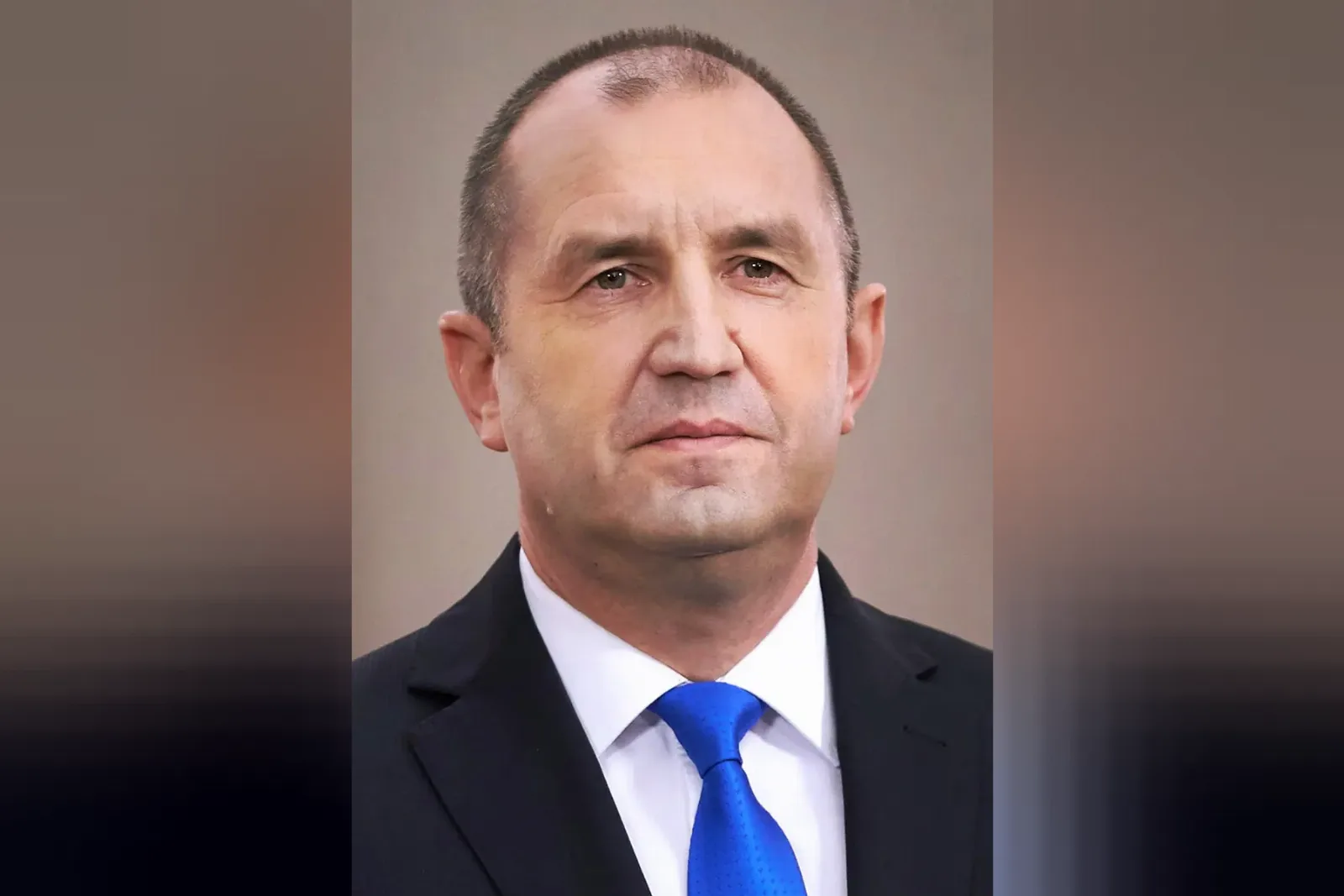
Drones hit merchant ships in Bulgaria's economic zone in the Black Sea in early October. Democratic Bulgaria then asked for an emergency hearing in parliament, and president Yotova cancelled a visit to Tarnovo.
More on this story: Democratic Bulgaria calls for emergency hearing after strike on ships
Petrova thanked allies for helping to establish what happened. The prime minister met NATO secretary general Mark Rutte, and Bulgaria set out the defence ministry's specific technical needs through the alliance. The French foreign minister said during a visit to Bulgaria that France is ready to help, including with technical support.
Russian ambassador Eleonora Mitrofanova met the prime minister rather than the foreign ministry, and Petrova was at the meeting. She said that calling the ambassador in to see the prime minister shows the government takes the case seriously.
Petrova has spoken with the foreign ministers of Turkey and Romania about security in the Black Sea. She said co-operation with the two countries goes beyond diplomacy.
Bulgaria and Romania are preparing a centre in Varna and Constanta through the EU. It will not be a NATO military centre. Bulgaria will monitor hybrid threats and the impact on the environment, while Romania will handle cyber security and watch over underwater cables. The naval school in Varna has the means, the experience and the readiness to take part. Petrova said the centre mainly needs enough money in the EU's next multi-year budget and a link to existing EU and NATO mechanisms.
The minister believes only an end to the war that Russia has waged against Ukraine since February 2022 can guarantee security in the region. A first step could be a moratorium on attacks on merchant ships in the Black Sea. Efforts to end the war also include a step-by-step ceasefire, for example on energy infrastructure or in the Black Sea. She called it a positive step that Europe is taking a more active part in the talks. Diplomacy has not been used actively enough so far, she said, especially with Europe involved.
Ukraine is seeking help with energy, Petrova said. For the coming winter it needs generators and infrastructure. Bulgaria takes part in gas deliveries to Ukraine through its gas transmission network, while the issue of reactors is not a focus at the moment.
The prime minister has held two public meetings with the Ukrainian president. Asked about an undeclared meeting with a senior Ukrainian official, Petrova said not every meeting has to be announced in advance. She said contacts at that level show Bulgaria is not isolated and keeps up a dialogue with Ukraine. She sees no split in foreign policy positions: Bulgaria is part of European policy, but has the right to national differences where possible.
Bulgaria is a net recipient from the EU budget, the minister reminded. A bigger budget means more money but also a bigger contribution, so the balance between the two matters. Her earlier remark on the size of the budget was about the Irish presidency's specific proposal, she said, and Bulgaria's position is for a more balanced budget.
Petrova met the foreign minister of North Macedonia to discuss Corridor VIII. Bulgaria again insisted that the country meet the commitments it has made. The minister sees no escalation in relations and says the commitments are tied to North Macedonia's path to the EU and to a better life for Bulgarians living there.
According to Petrova, the main aim of the European Parliament resolution was solidarity with the affected Black Sea states. But at the last moment, at the initiative of Bulgarian MEPs, a text was added that contradicts the rest of the document. On the war in the Middle East, the government's position is de-escalation and dialogue, and Petrova hopes efforts to reach a truce will work.
The transport ministry presented a list of priority projects to the Council of Ministers. Bulgaria will host a connectivity summit in 2027. Petrova said this is a sign of trust in the government and a chance to present national and cross-border projects. She hopes the forum will help secure money for them.
Comments (0)
No comments yet.