
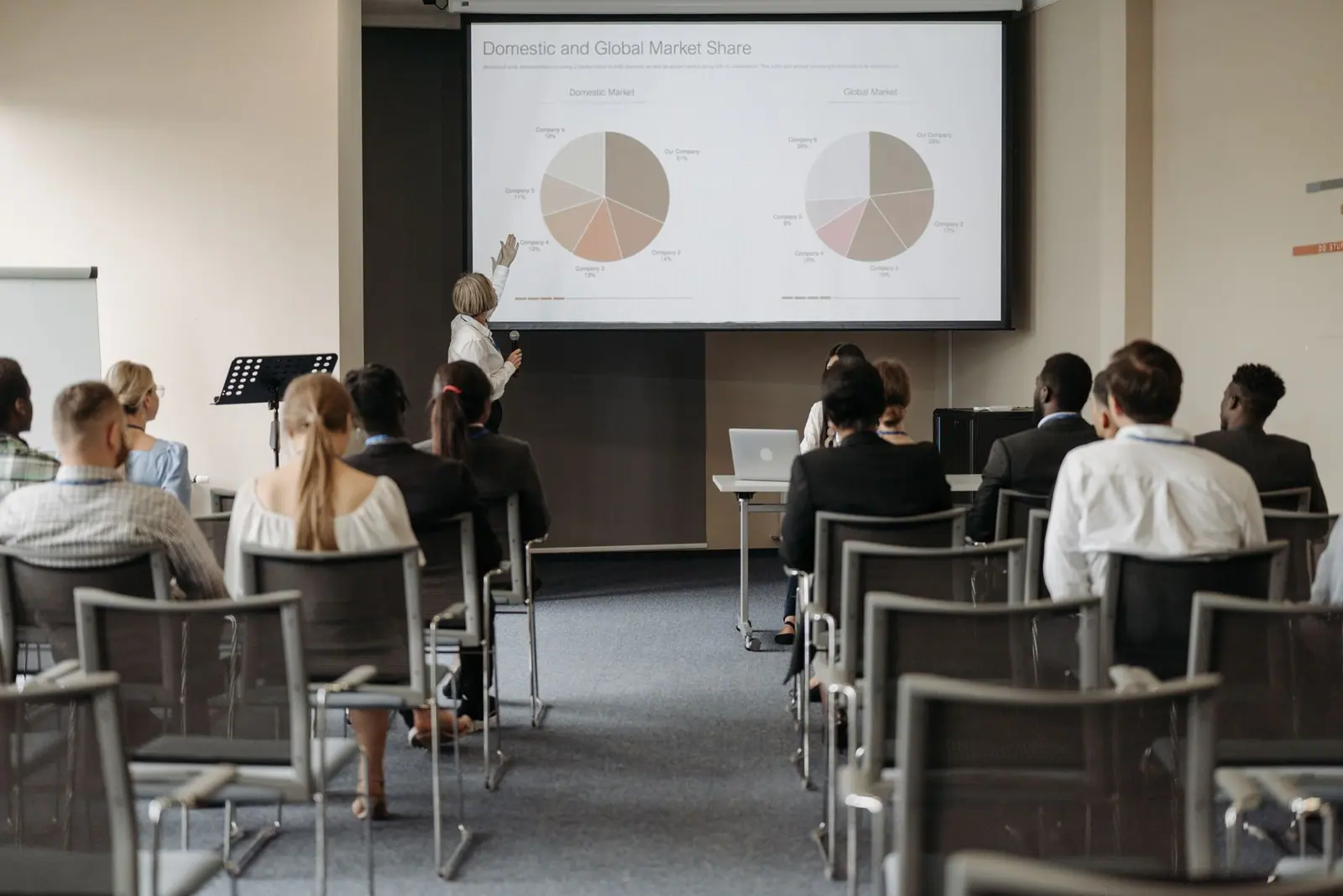
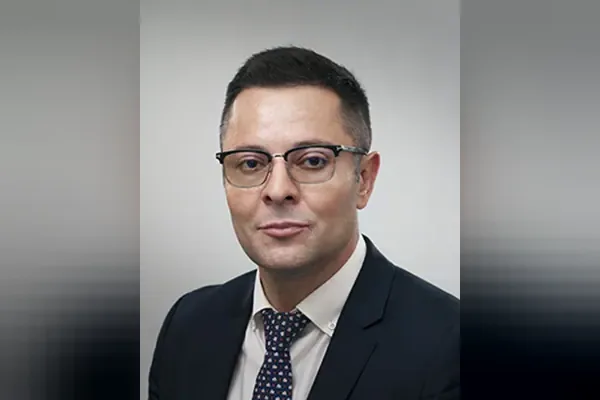
Limits on Bulgaria's long-term growth are becoming more structural because of weak labor productivity and persistently low investment, World Bank senior economist Desislava Nikolova said. She spoke at the "Future of Money" forum, organized by Manager magazine at the Capital Fort business complex in Sofia.
The World Bank's summer forecast puts Bulgaria's economic growth at 2.6% this year and next, though Nikolova said that figure may already be slightly too low. Last year the country's current account deficit stood at almost 6% of GDP, and the Bank expects it to stay around that level this year. The budget deficit will reach 5.3% of GDP, and average annual inflation will top 4%, the Bank's forecasts show.
Living standards in Bulgaria are rising, but the country is catching up with incomes in richer EU states more slowly than Romania, Nikolova said, measuring this by GDP per capita. Bulgaria's investment level is below the EU average, she added, and even lower than in North Macedonia and Serbia.
The main engine of growth remains domestic demand, driven by fast wage growth, government spending and mortgage lending, the economist said. That is producing signs of overheating: actual growth is running ahead of potential growth, and real wages are climbing fast. Consumption is growing faster than GDP, and the budget position is getting worse.
Nikolova also pointed to inflation in services, which is running above the national average and is another sign the economy is overheating. Inflation and external pressures remain high, she added. Because of the EU's excessive deficit procedure, Bulgaria will have to tighten its budget over the next year or two, which will weigh on growth.
Nikolova described the labor shortage as a problem across the whole region of Europe and Central Asia, the group where the World Bank places Bulgaria in its classification. Workers who come to Bulgaria usually come from the same countries, but the shortage is deepening there too, making the outlook unfavorable. One answer to this regional problem, she said, could be artificial intelligence and automation.


Comments (0)
No comments yet.