
Lawmakers from Black Sea countries are meeting in Burgas this week for the 67th session of the Parliamentary Assembly of the Black Sea Economic Cooperation's Committee on Economic Affairs and Development. The topic: climate change and its economic impact on member states, the National Assembly's press office said.
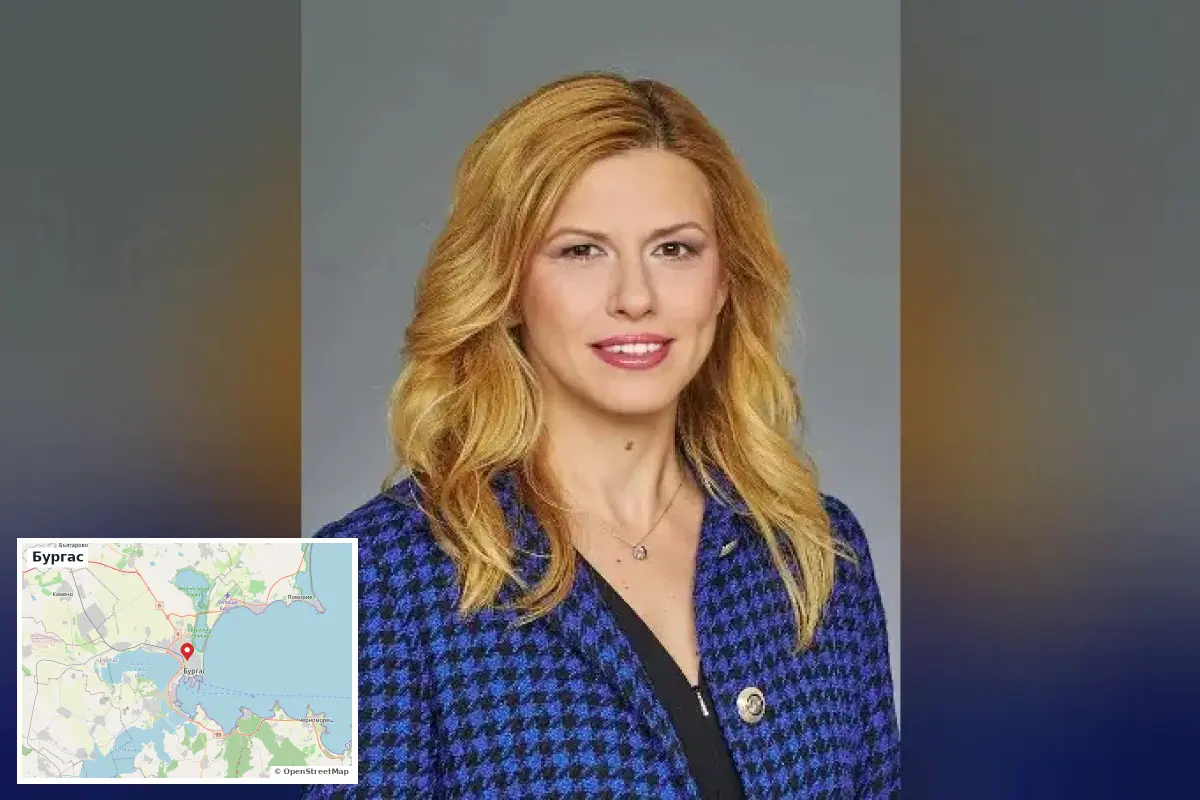
National Assembly speaker Mihaela Dotsova opened the forum. Black Sea countries face the same risks, she said, and get more done when they coordinate, share experience and swap good practice.
Security in the Black Sea region, including environmental security, will give a real boost to these countries' economies, Dotsova said. She pointed to more frequent extreme heat, fires, floods and water shortages, which hit people, infrastructure and the economy alike.
That means countries need to move fast once disaster strikes, but also work to stop it happening in the first place, she said. Money spent on prevention cuts economic losses, protects infrastructure and helps countries cope better, Dotsova added.
Sustainable management has to be grounded in science, she said, both to explain why disasters happen and to decide how to respond to them. Scientific analysis and new approaches make political decisions more rational, objective and timely, she added.
"I believe we must not let natural events become an excuse for human behavior," Dotsova said. Sustainable policy, she said, also means keeping the public informed about risks, about how to react in extreme situations, and about their own role in limiting the damage. "Only an informed public can help us get lasting results," she added.
Dotsova called for stronger institutions and for encouraging technology transfer. Adapting to climate change and softening its effects both cost money, she said, and public funds alone won't cover it. She recommended public-private partnerships, tapping all available EU funding, and creating the right conditions for businesses to bring in new solutions.
Sofia hosted the 66th PABSEC General Assembly in November 2025.


Comments (0)
Все още няма коментари.