
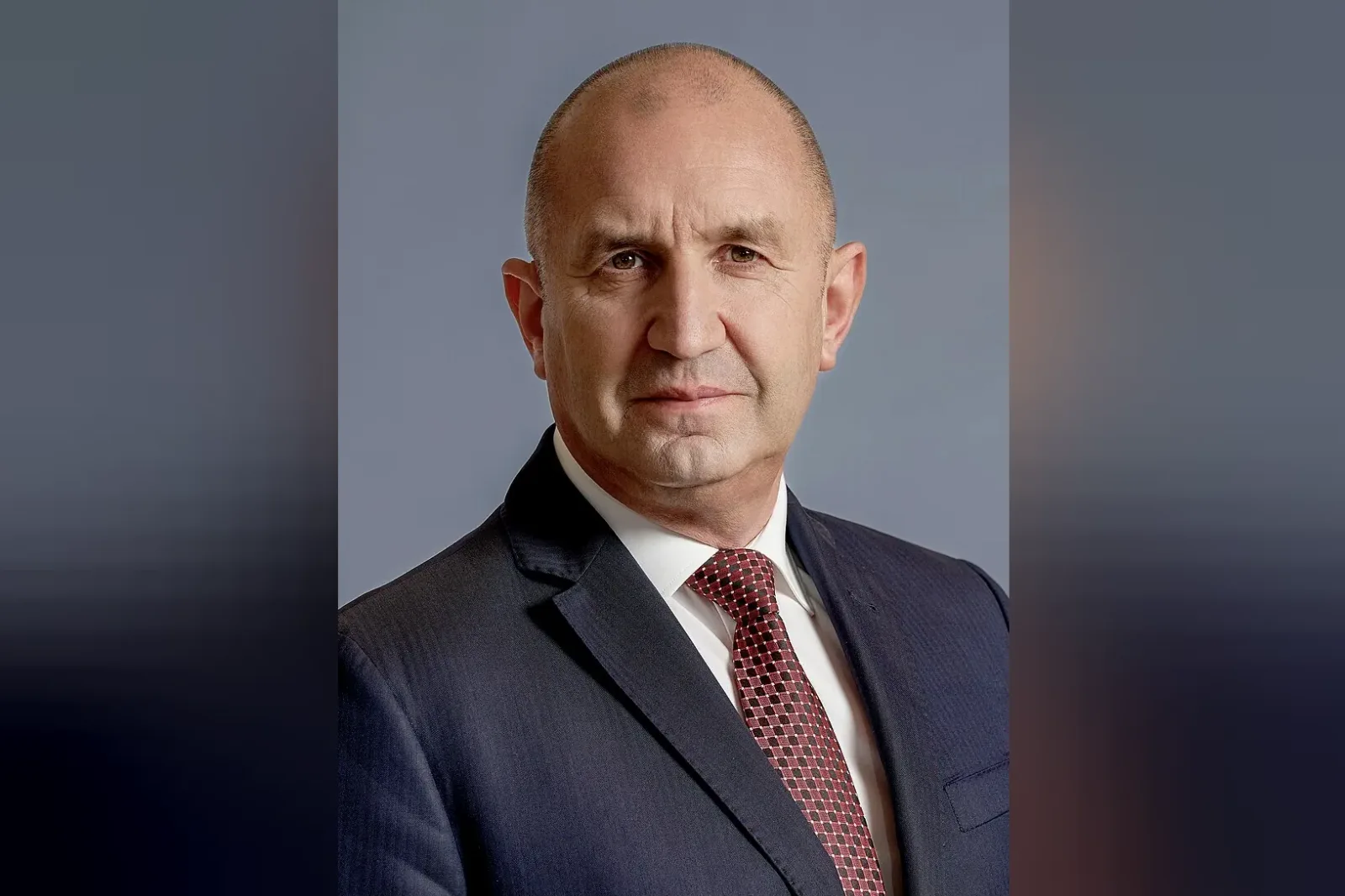
Prime minister Rumen Radev's cabinet is hiding the draft 2027 budget, which breaks the law, Asen Vasilev, leader of We Continue the Change, wrote on social media. The deadline to publish it and send it to parliament is 30 October, he said.
Radev told the Sofia Economic Forum yesterday that the budget would be presented next week. The same day, Bozhidar Bozhanov, co-leader of Yes, Bulgaria, accused the government of campaigning ahead of the election and asked the Central Election Commission to rule immediately.
Where it began: Bozhanov: government violated the Election Code with pre-election campaigning
Vasilev, a former finance minister, calls Sunday's election a vote of no confidence in the cabinet's economic policy. "This resounding slap from Bulgarian citizens scared them so much that they hid the 2027 budget, in breach of the law," he wrote. If the budget is so good for citizens and business, Vasilev asks, why has it not been published and sent to parliament?
From the little that is known, he concludes that the budget keeps the country on course to make people poorer. Vasilev says it is already known that the budget includes new taxes of more than €2bn against €50m less in spending, another rise in the maximum insurable income, and income growth below inflation. The minimum wage is €30 lower than the old formula would give, a tax on food vouchers is planned, and tax valuations go up. "What else is in the state's budget plan for 2027, if they hide it so zealously?" he asks.
If Iliana Yotova becomes president, the government will be able to claim, with some justification, that people approve of its policy of "progressive impoverishment", Vasilev believes. "There will be no veto of the budget, and no one to stop them passing whatever nonsense they like," he wrote.
Vasilev says no one will drag Bulgaria into a war, and that Radev and Yotova are only scaring people and trying once again to deceive them. If Radev heads the government and Yotova becomes president, he warns, they will "fleece" business and dip into the pockets of working people, and one million pensioners will stay below the poverty line.



Comments (0)
No comments yet.