
Parliament's budget and finance committee will discuss at first reading bills to change five tax laws for 2027, according to its agenda. The government approved the changes at a meeting on 4 November.
The bills amend the laws on personal income tax, corporate income tax, local taxes and fees, excise duties and tax warehouses, and value added tax.
The tax relief for children rises to €5,000 for one child, €10,000 for two and €15,000 for three or more. For a child with a disability it is €12,000. A new child development relief of up to €2,000 per child will cover health, education and sports costs.
Employers will be able to give staff food vouchers worth up to €200 a month per person, the bill says. The current limit is €102.26 (200 leva). Anything above €102.26 is taxed at a final rate of 7%.
In 2027, windfall profits will also be taxed, at 33%. Banks, insurers, food retailers (with net sales revenue of at least €5m in 2026), telecoms firms, currency exchange offices and fast-loan companies will pay it. Up to 30% of the tax can be offset against spending on new tangible and intangible assets, capital buffers and reserves, and other purposes.
Firms that invest in artificial intelligence technology or in high-performance computers and server infrastructure can apply double the annual tax depreciation rate, but not more than 100%.
Tax valuations of property will be updated three years in a row: by 30% in 2027 and by 35% in each of 2028 and 2029. The change covers buildings, land, improvements and farmland.
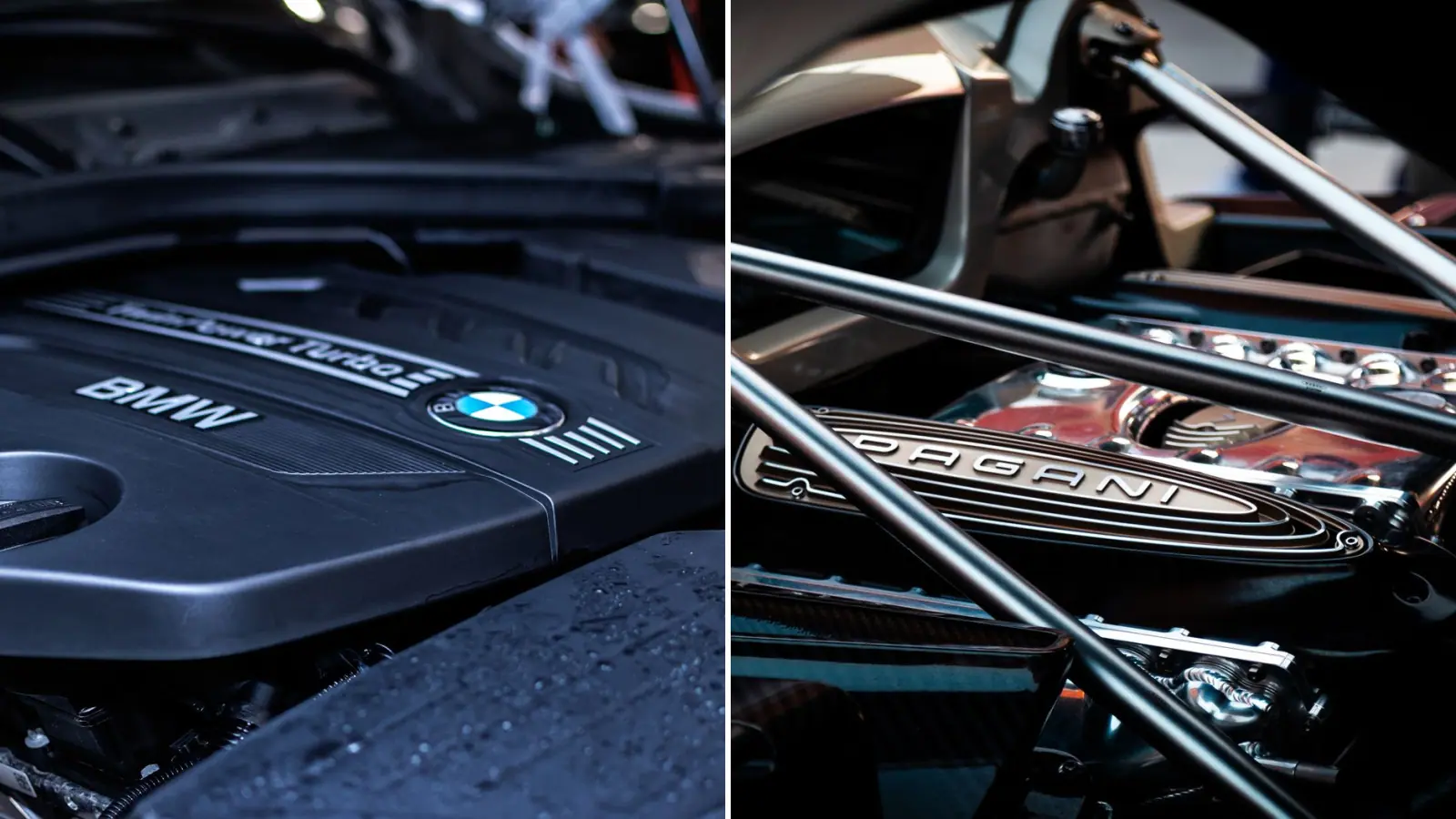
Excise duty will apply to passenger cars whose combustion engine has a maximum net power of 250 kW (340 horsepower) or more. The amount depends on power: €500 for 250 to 300 kW, €1,500 for 301 to 350 kW, €3,000 for 351 to 500 kW and €6,000 for more than 500 kW.
Fully electric cars and special-purpose service vehicles (ambulances, fire engines and vehicles with special traffic rules) are exempt. For hybrids, only the power of the combustion engine counts, when it is 250 kW or more, according to the EU certificate of conformity or another official document.
The VAT registration threshold will rise in stages: €60,000 in 2027, €70,000 in 2028 and €75,000 in 2029. Small firms with turnover below the threshold can still choose the general regime. From 2028, e-invoicing and real-time reporting will be mandatory for domestic supplies.
This brings the rules in line with the EU's ViDA ("VAT in the Digital Age") framework. From 1 July 2030, EU member states must make e-invoicing mandatory for cross-border supplies.
The tax changes are part of the process of adopting the 2027 state budget law. On 6 November the finance ministry published the draft budget law and the updated medium-term budget forecast for 2027 to 2029. Earlier that day, prime minister Rumen Radev and deputy prime minister and finance minister Galab Donev presented the main parameters of next year's financial framework at the University of National and World Economy (UNWE).






Comments (0)
No comments yet.