
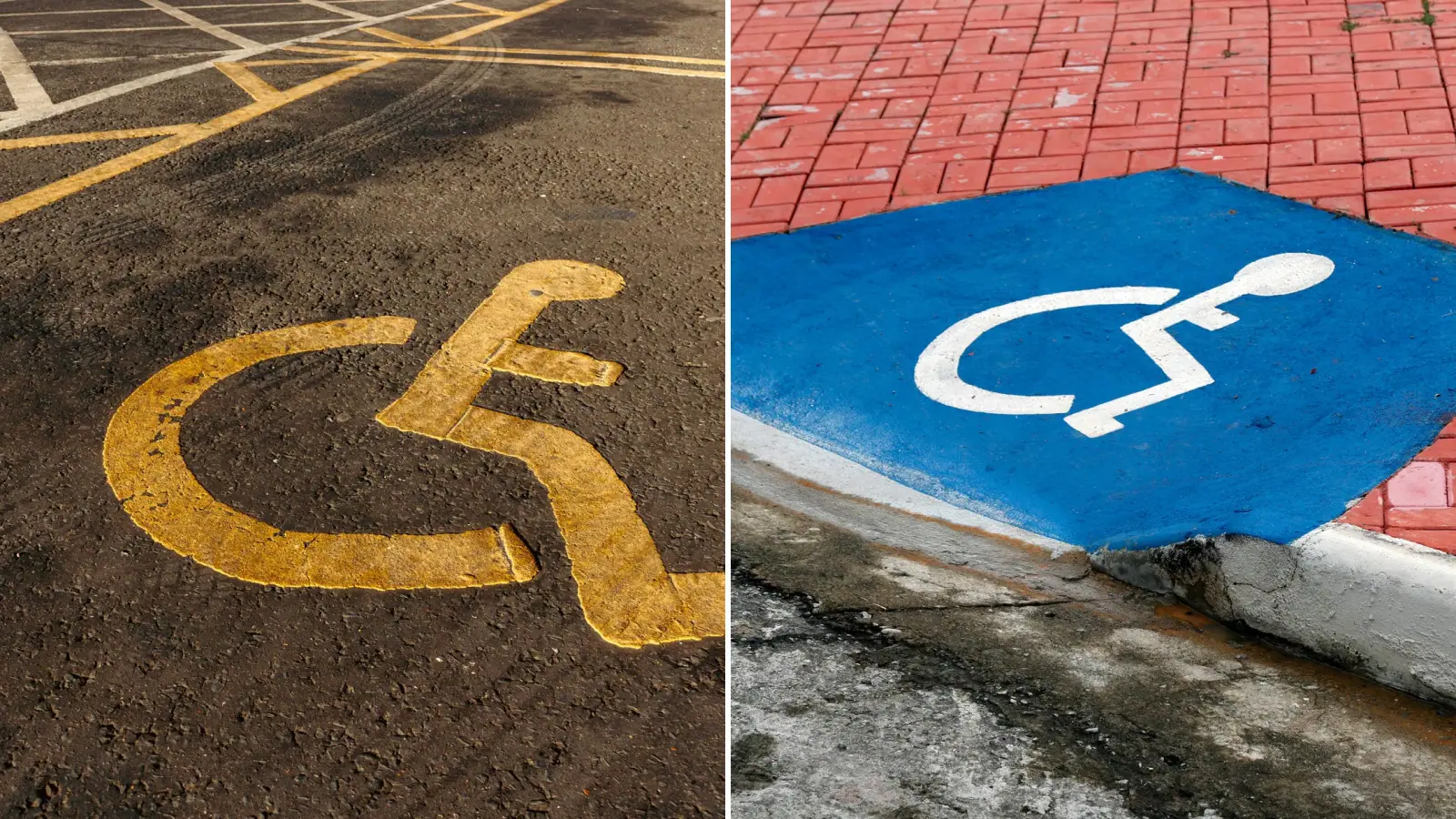
A forum on the AccessibleEU project brought together experts and people with disabilities today to discuss how easy it is to use city spaces, digital products and services. The forum closes the project's four-year cycle, including in Bulgaria.
The project is part of the European Accessibility Resource Centre and is funded by the European Commission. Representatives of groups that defend the rights of people with disabilities and provide services to them attended.
Steli Peteva, director of the Institute for Social Services in the Community Foundation, spoke to guests. She said the forum looked at accessibility across different sectors and points of view. Services, she said, must be good quality, easy to understand, needed and easy for the community to reach. Peteva said accessibility is no longer seen as charity or as something with no money behind it. It is a right of every person, and guaranteeing it is the state's duty.
Bulgarian law matches EU requirements, so Peteva believes the legal framework is developed enough. She said it sets out a framework, a direction and clear duties, and there are ways to press for action when rules are not followed.
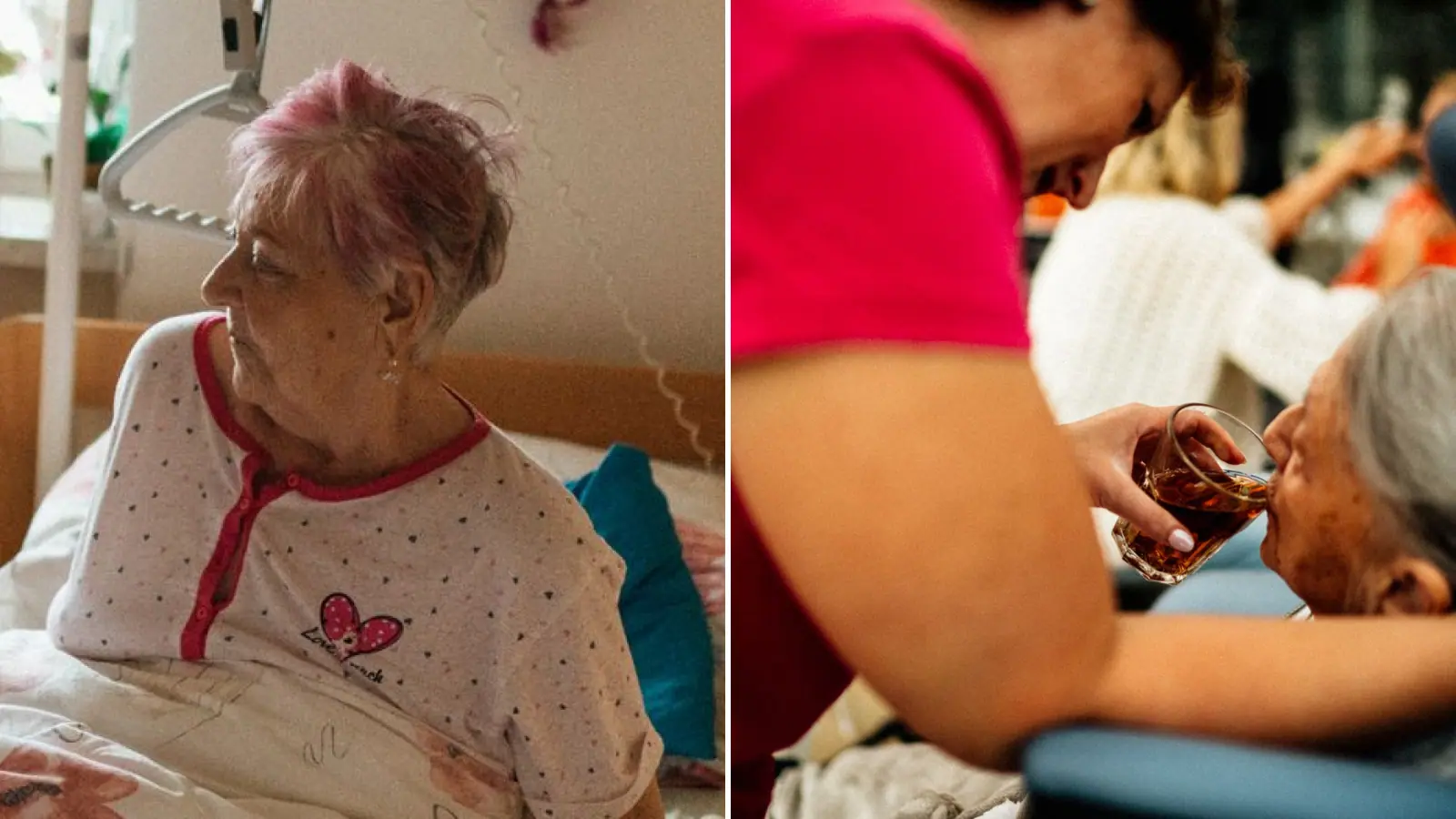
Natalia Grigorova founded the Bulgarian Huntington Association in 2015. At the forum she described what the group offers: psychosocial support, follow-up care, rehabilitation and advocacy. Relatives get training in how to care for patients. Support centres for families with rare diagnoses are in Sofia and Burgas. The association also runs summer recovery camps, and its social, psychological and advisory support is specialised.
Grigorova said people with rare diseases and their families also face problems with access. There are 8,000 types of rare disease, affecting 1 in 2,000 people, and in 95% of cases there is no cure. More than 150,000 people with rare diagnoses live in Sofia.
Tihomir Raychev, chief architect of Burgas council, presented the city's experience. This year the beaches have carts for getting into the water and special carts for people with disabilities, and public transport stops have been adapted. Raychev described an accessible environment as a set of measures that takes a lot of work. It is in buildings, homes and everywhere around us, he said, and the council tries to build on what it has achieved. The fight for it is a full and constant effort, not a one-off act, and Raychev called on everyone involved not to stop.
Radina Doneva is one of the founders of the Bulgarian Design Council, a platform for designers from different fields. She believes accessibility must be built in from the very start of designing anything, so the world suits everyone. Doneva called for design to be used as a national resource for better public decisions, and described designers as valuable partners in building any kind of service.
"Design shapes the world, accessibility decides who that world is open to," she said.



Comments (0)
No comments yet.