
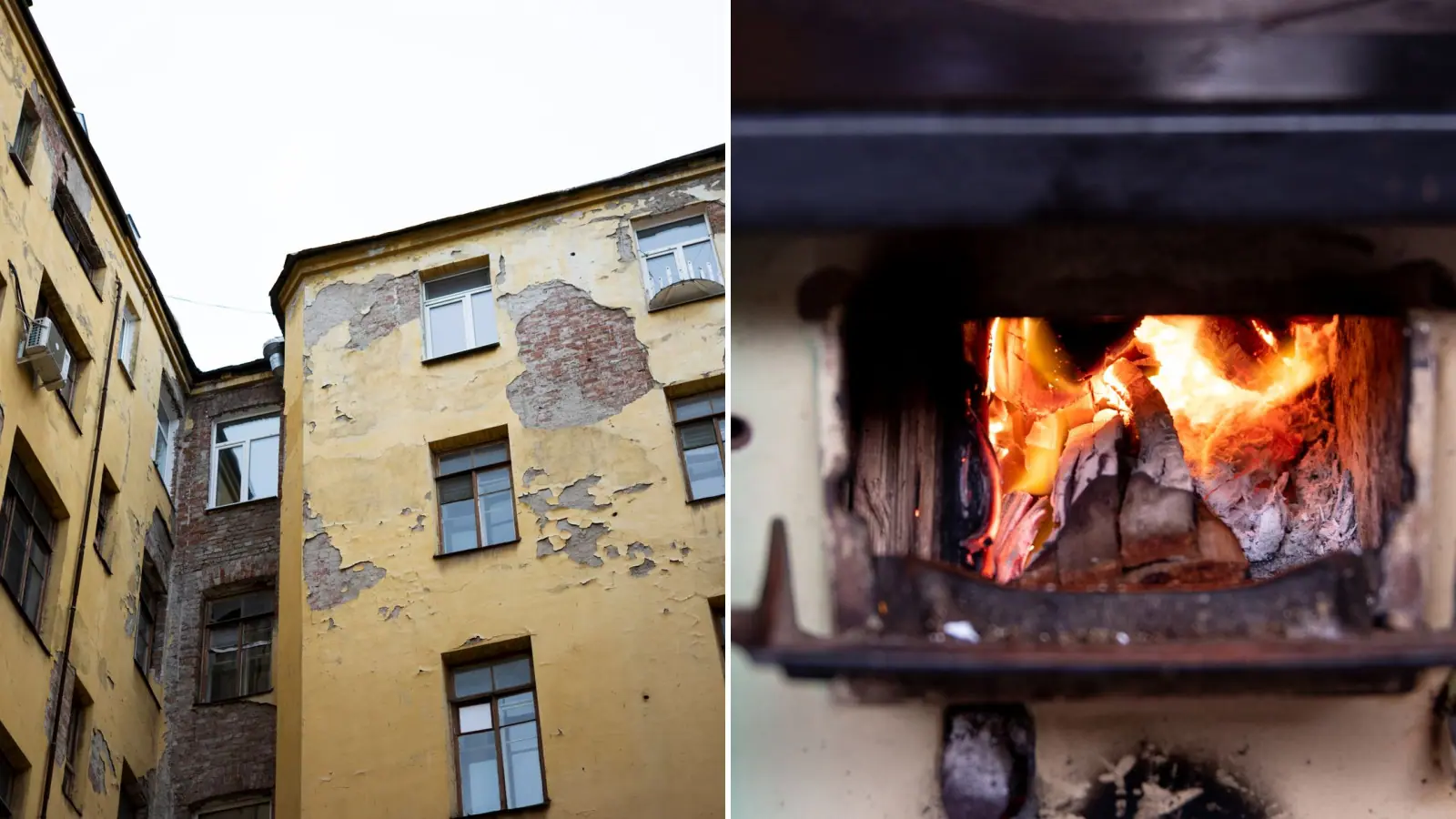
Poor families struggle to switch to cleaner heating because they often have no settled housing status or cannot prove they own their homes, experts told a conference in Sofia.
The forum looked at clean air in the capital and its link to energy poverty. It discussed how to get clean heating programmes to the most vulnerable households.
Speakers presented an analysis of the project "Reducing Pollution for Poor Communities in Sofia – Advocacy Stage". The Trust for Social Alternative foundation runs the project, and the global Breath Cities initiative backs it. Its aim is cleaner air in Sofia's Fakulteta neighbourhood.
The analysis says many of the barriers to heating schemes come not from energy law but from people's housing status. Experts describe energy poverty in Bulgaria as a problem of housing, not just of income. The analysis also says there is no up-to-date housing strategy, and that one is essential for clean heating.
Daniela Mihaylova, head of the legal programme at the Equal Opportunities Initiative association, believes the separate systems are not linked. She says energy, social and housing policy, and the municipalities, each act on their own.
In 2024, 30.3% of Bulgarians were at risk of poverty or social exclusion. That is the highest share in the EU, followed by Romania with 27.9% and Greece with 26.9%.
The analysts say climate decisions in Bulgaria carry a direct social cost. Every rise in energy or fuel prices hits many people who already live close to or below the line of material security.
Cecilia Vaca Jones, chief executive of Breath Cities, said she wanted to find out whether residents of Fakulteta see the benefits of alternative heating sources and know how these can improve their lives.
Jenna O'Keefe, chair of the board of the Trust for Social Alternative foundation, believes that replacing solid-fuel stoves and improving people's lives needs a full, integrated approach. "Every child should have a warm and clean home," she said.
In the project's conclusions, the experts write that the shift to climate-friendly policies will be socially sustainable only if the state treats energy poverty not as a minor social problem but as a structural risk to climate policy itself. They say success should not be measured only by the number of heating devices replaced and the energy savings made.


Comments (0)
No comments yet.