
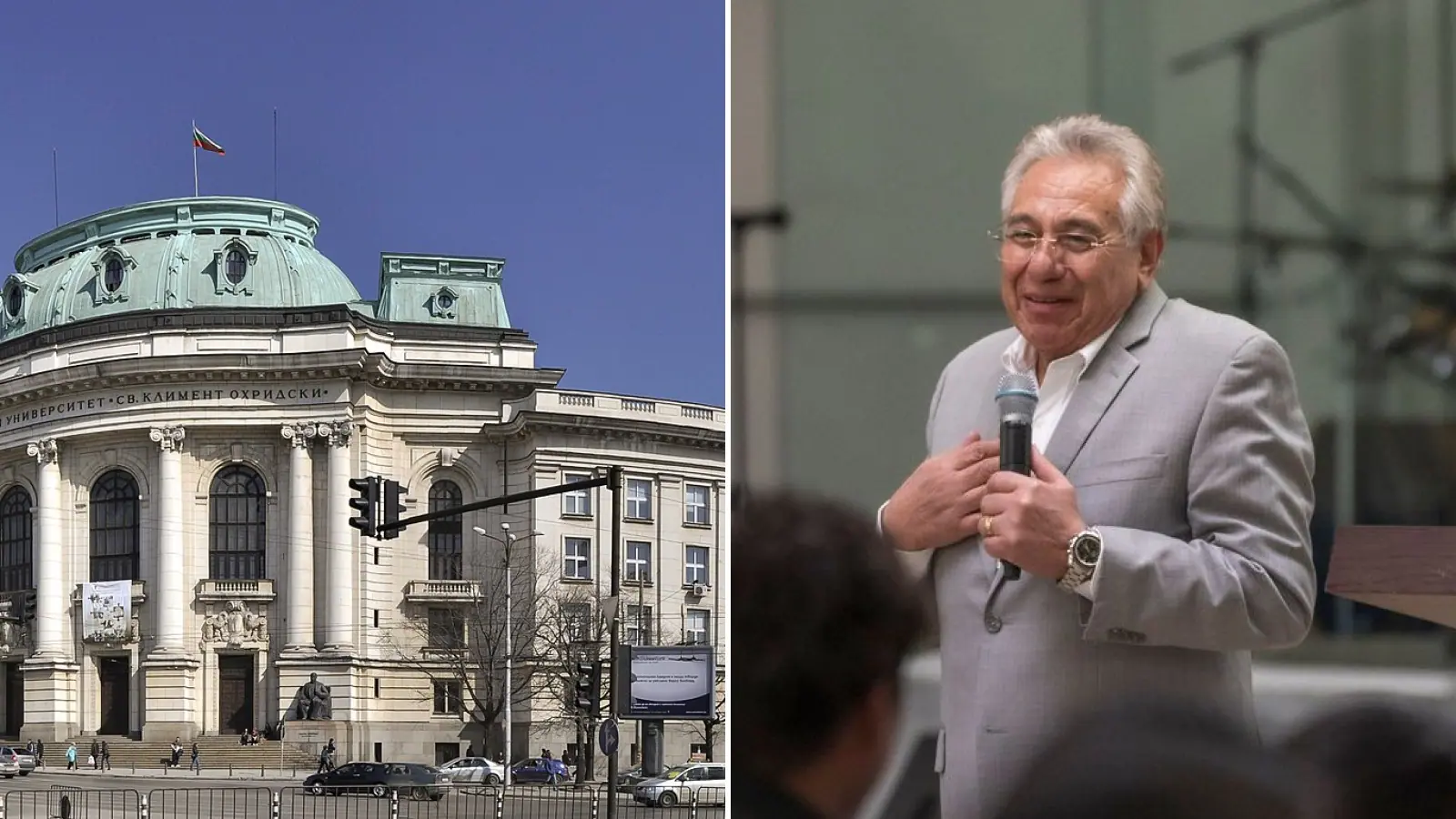
Bulgaria will keep backing its compatriots in Bessarabia and Banat so that younger generations hold on to their traditions and Bulgarian roots, education minister Prof. Georgi Valchev said. He opened an international academic conference on the two communities at Sofia University "St. Kliment Ohridski".
More than 9,000 pupils attend 77 Bulgarian Sunday schools in Bessarabia and Banat, which get state support. Over 1,700 students from the communities in Ukraine and Moldova study at Bulgarian universities on easier terms.
The conference is called "Bessarabian and Banat Bulgarians in Historical and Modern Context: Language, Cultural Memory, Identity". More than 45 scholars from six countries are taking part. The Department of Cyrillo-Methodian Studies at Sofia University and the Prof. Lyubomir Andreychin Institute for Bulgarian Language at the Bulgarian Academy of Sciences organise it. The event is part of the project "Bessarabian and Banat Bulgarians: Language, Identity and Cultural Memory Beyond National Borders", led by senior assistant Dr Tatyana Braga of the institute.
Sofia University rector Prof. Eliza Stefanova, Ukraine's ambassador to Bulgaria Olesya Ilashchuk and Bulgaria's ambassador in Kyiv Zlatin Krastev attended the opening. Milena Dimitrova, secretary for culture, education and relations with Bulgarians abroad to President Iliana Yotova, read a greeting on the president's behalf.
Valchev said the Bessarabian and Banat Bulgarians have kept their identity over the centuries and left a lasting mark on Bulgarian history. The ancestors of today's Banat Bulgarians made Bulgarian society visible to the European world in the 17th century, he said.
"This was the cultural boom of the 17th century, which for a long time was underrated in our humanities," he added. He said it now has a worthy place in the work of today's scholars.
"An extremely important question in the modern world is how different diasporas fit into other countries and other cultural settings while keeping their identity," the minister said. He said the community's contribution to modern Bulgaria has many sides and should be remembered and reflected on in the coming decades too.
After the Liberation, many Bessarabian Bulgarians, graduates of the Bolgrad Gymnasium, laid the foundations of the modern Bulgarian state, Valchev recalled. One of them was Aleksandar Balan, the first rector of Sofia University.

Comments (0)
No comments yet.