
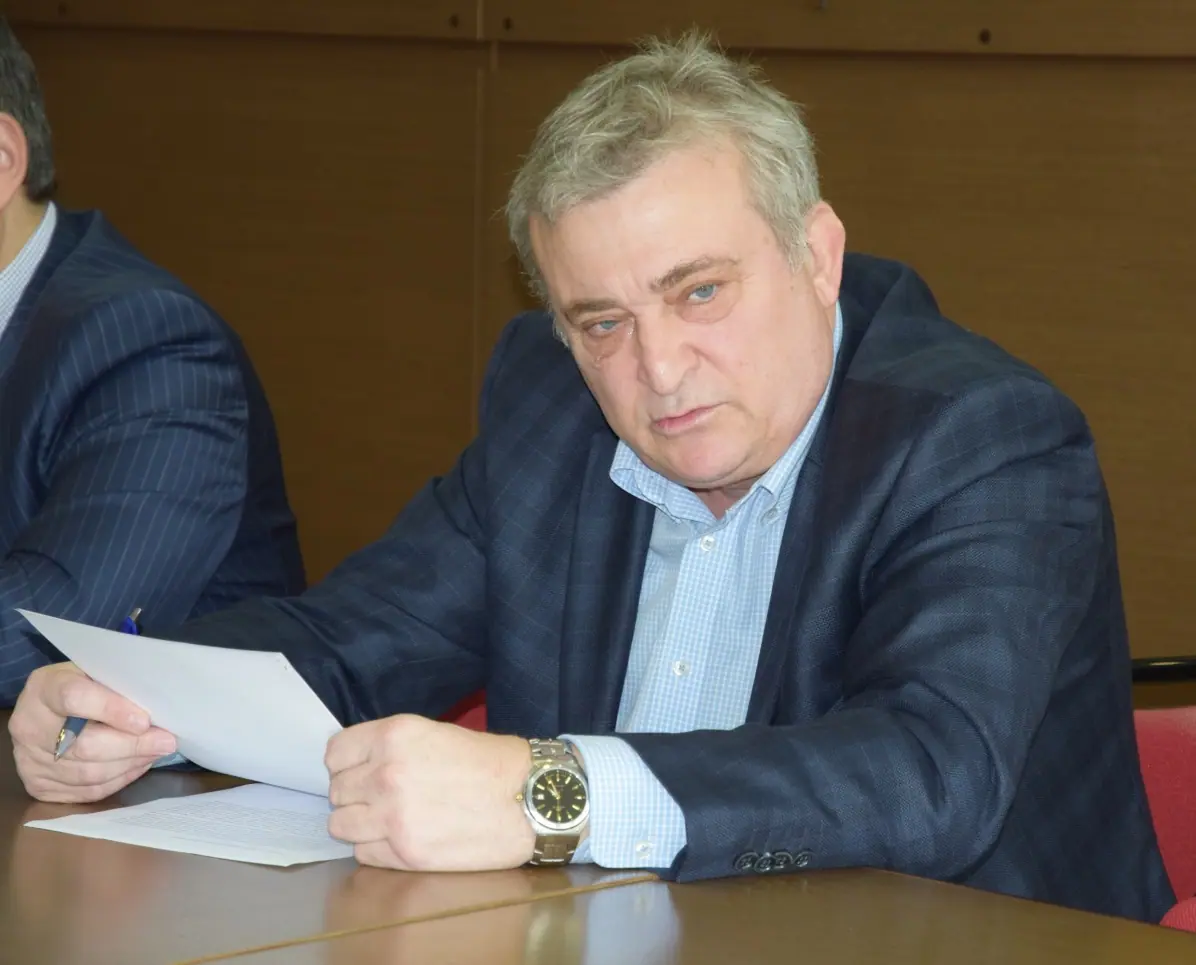
Bulgarian National Bank governor Dimitar Radev, who sits on the European Central Bank's governing council, says the ECB's next move on interest rates is not set in stone. Neither another hike nor a pause should be taken for granted, he said in a video briefing on the MNI Connect platform, which brings together central bankers and financial experts, the BNB press office said.
"September's decision doesn't decide what comes next. Neither another rise nor a pause should be seen as the default. Both depend on the data," Radev said.
On September 10 the ECB raised its three main interest rates by 25 basis points each. Radev called the move a measured response to the changed inflation outlook, but said the central bank's work isn't done and there's no preset path for rates.
Patience still matters, but the bank needs to stay a bit more alert from now on, Radev said. He said this doesn't mean the ECB will automatically tighten policy — it means the bank has to be ready to act if the data show inflation pressure is proving more lasting.
When the bank will wait, and when it will act
Radev laid out the conditions under which the ECB could simply wait and see:
- energy prices stop rising so fast;
- broader price pressure stays contained;
- the bank's past decisions turn out to work better than expected.
On the other hand, the case for fresh action would grow stronger if:
- the energy shock drags on longer;
- prices start climbing for more goods and services;
- inflation expectations keep rising;
- the ECB's policy turns out to have less effect on the economy than expected.
Radev said inflation risks still point upward, while risks to economic growth mostly point down. A stronger economy can absorb an energy shock more easily, he said, but it also makes it easier for firms to pass higher costs on to consumers.
That matches the ECB's latest Economic Bulletin, which says the eurozone job market will stay solid. Unemployment is even expected to fall to its lowest level yet, despite the energy shock. Forecasts from ECB chief economist Philip Lane point to continued growth for the eurozone economy, though uncertainty remains high.
Inflation to stay above target until at least 2027
ECB experts expect average inflation of 3% in 2026, 2.5% in 2027 and 2.1% in 2028. Stripping out energy and food, the figures are 2.5%, 2.6% and 2.3%.
The main assumption is that energy prices will gradually ease and pricier credit will help bring inflation back to the 2% target. But Radev warned things could easily turn out differently.
He pointed to ECB analysis showing that higher wholesale natural gas prices are now reaching consumers' bills faster than before. It's not clear how long the energy shock will last or exactly how firms and households will respond to it, Radev said.
So far there's no sign inflation is spreading broadly through the economy. Wage growth is slowing, and price pressure in services stays fairly mild. Market expectations for long-term inflation are broadly stable.
A different picture emerges from the ECB's survey of consumer expectations. There, the numbers are rising across the board — up to 2.9% for the next three years and 2.5% for the next five. Radev said this doesn't yet mean expectations are breaking away from the bank's target, but it needs close watching.
He warned of risks in both directions: if the ECB waits too long for the full knock-on effects of higher prices to show up, it could end up reacting too late. But if the bank reacts too hard to inflation that would have eased on its own anyway, it could hit investment and demand for no good reason.
State support should be temporary
When a major external shock hits, government support should be temporary and go only to those hit hardest, Radev said. Support that reaches too many people and businesses can push demand up further, slow the economy's adjustment, and leave less room to act in the next crisis.
For Bulgaria, Radev added, the eurozone's shared monetary policy needs to be backed up by sound decisions at home. He said Bulgaria must keep shifting toward growth built more on productivity, investment and higher-value activity, while also shoring up public finances and rebuilding reserves for future crises.
The ECB will keep deciding on rates meeting by meeting, based on incoming data, without committing in advance to any direction, Radev said.



Коментари (0)
Все още няма коментари.