

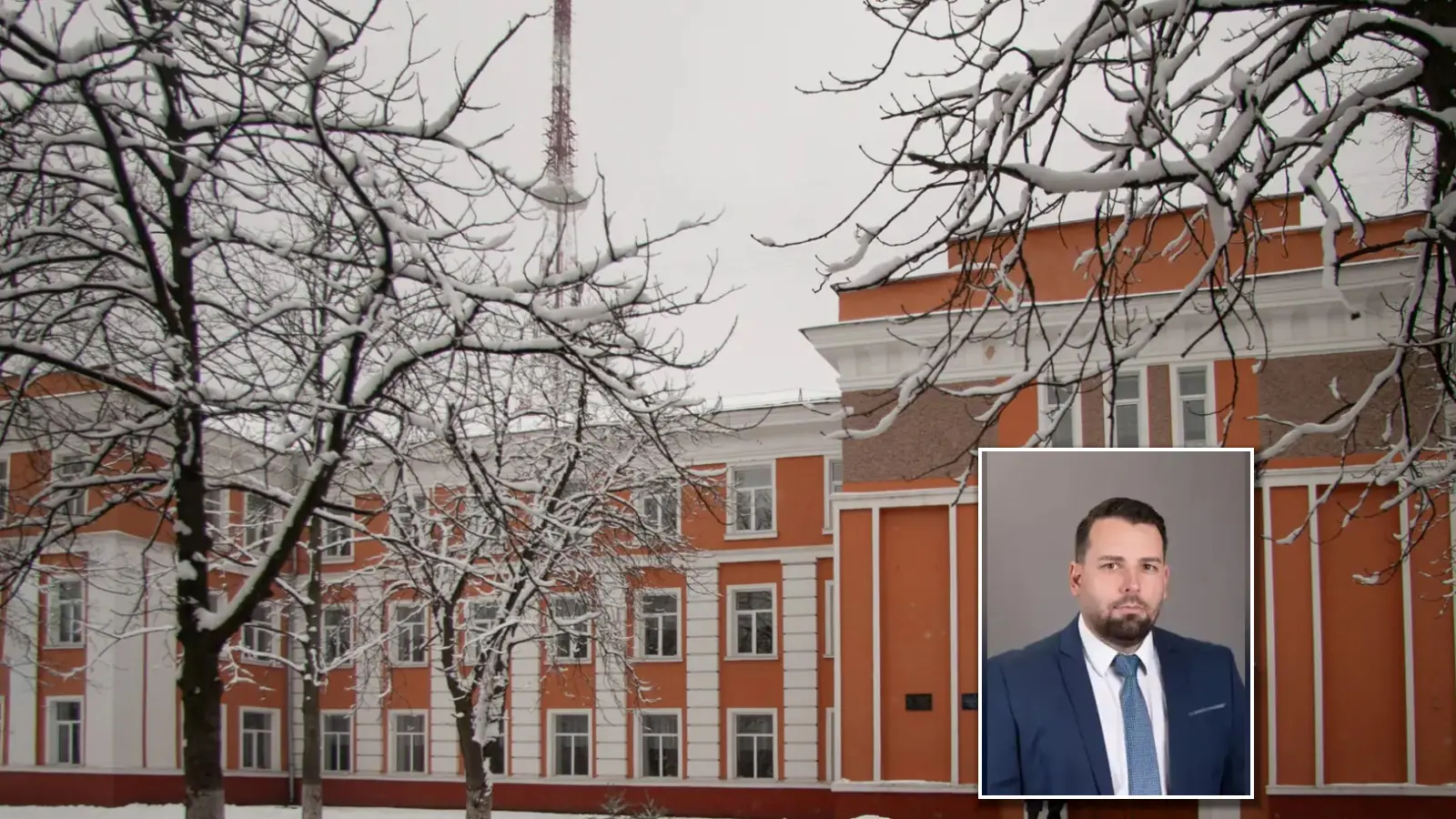
Talking with children about drugs helps protect them from using, clinical psychologist Assoc. Prof. Sezgin Bekir told a training session for school staff in Haskovo. The city's Drug Prevention and Information Centre organised the event.
"If a family talks about the problem of psychoactive substances, if it talks about drugs, that means the family is building protection," Bekir said.
The training was titled "Risky behaviour in adolescence: new trends and approaches to prevention". It aimed to help school staff build their skills in handling risky situations and in working with drug use and risky behaviour among teenagers. The lecturer has many years of teaching and practical experience in preventing the use and misuse of psychoactive substances.
Bekir cited a study of risky behaviour and mental wellbeing among schoolchildren, carried out in 2022 and published in 2024. It shows that 15-year-olds in Bulgaria rank first among their EU peers for cannabis use. They also rank first for using nitrous oxide ("laughing gas") at least once a month. For alcohol, Bulgaria is fourth in the EU.
The psychologist said talking to children about the risks of drugs is the duty of every parent. An open talk helps children feel understood, informed and safe. Parents sometimes avoid the subject because they fear they will not find the right words, or because they wrongly believe the problem cannot touch their child. Adults need to be well informed and ready to have such talks, not just to speak about the risks, he said.
Using psychoactive substances is a complex problem and rarely has a single cause, Bekir said. Factors include traumatic events in a young person's life, peers who use drugs, personality traits, the ability to stand by one's own decisions, and trust between children and parents.
The effects go beyond young people's health. They can harm their future, add to costs for the health and welfare systems, and lead to more crime. Families, schools and other prevention bodies must therefore work together.
Society should not demand that young people adapt to outdated ways of behaving, Bekir said. He said it should create conditions in which they feel accepted and understood and can take a full part in its development.


Comments (0)
No comments yet.