

Young people who leave care are at risk of exploitation and human trafficking, a report by the Dignita Foundation presented in Sofia says.
The report was presented at a conference called "Young people leaving alternative care – vulnerabilities to human trafficking". It took place in the Aula of Sofia University "St. Kliment Ohridski" to mark European Anti-Trafficking Day on 18 October.
The report notes that national policies and strategies recognise human trafficking as a serious social problem. But young people in alternative care are rarely named as a separate risk group, say the specialists the report cites.
According to the report, help from state institutions stops or drops sharply when a young person turns 18. This often comes with no stable family, few social contacts, weak financial security and too few skills for living alone.
In the first months after leaving care, young people are under strong pressure to find an income and a home, and they have no steady support, the specialists explain. So they more easily accept informal or risky job offers, often with no work contract and unclear conditions.
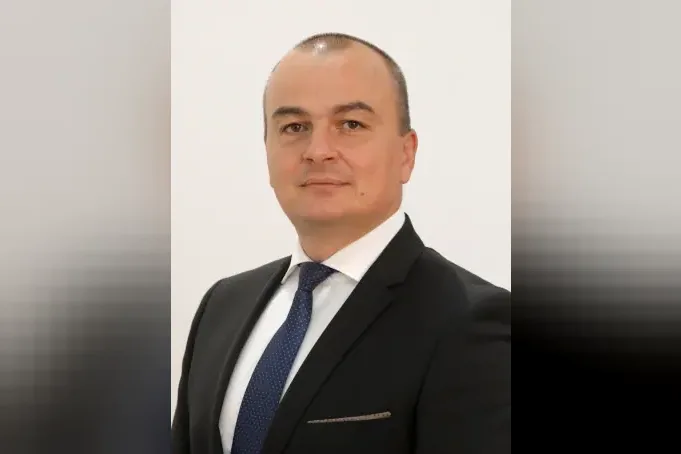
The people who push them into exploitation more often come from their own circle. Kamelia Dimitrova, executive director of Dignita, said they most often build a close bond with the young person and help them in a hard situation. According to the report, a common path to trafficking is exactly this kind of emotional bond, which slowly becomes a tool of control.
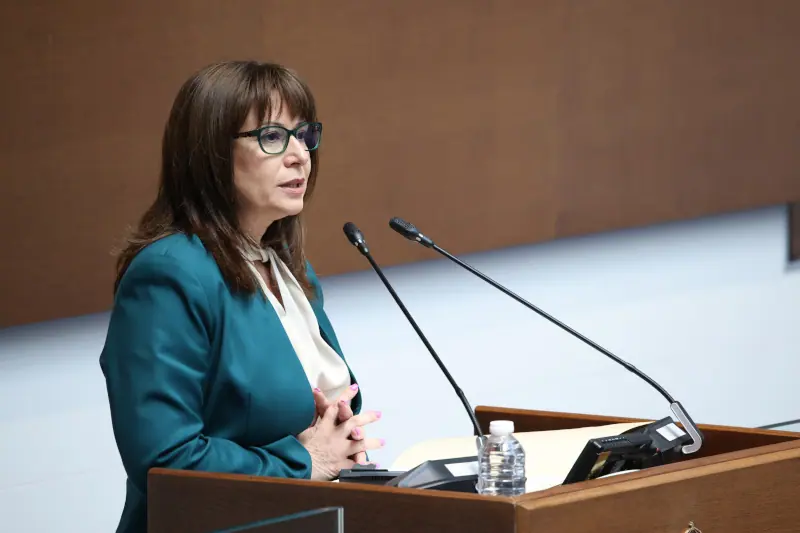
Daniela Savekliyeva, secretary of the National Commission for Combating Trafficking in Human Beings, said the move to independent life is hard for every young person. For those leaving alternative care, it comes much more abruptly and with far fewer options for support. Exploitation does not always start with a threat or violence, she added. Sometimes it starts with a seemingly good chance: a job offer, a promise of a better life, financial help or attention from someone who looks ready to help.
According to the foundation's data, Bulgaria has 144 family-type centres for children without disabilities, with 1,677 places, or 12 places per centre on average. There are 7 centres for children with disabilities, with 93 places, and 106 for children and young people with disabilities, with 1,422 places. Another 9 centres are for children and young people with disabilities who need constant medical care, and they have 73 places. There are 23 transitional homes for children with 182 places, and 23 supervised homes for young people aged 18 to 25, with 112 places.
Dignita and Sofia University run a mentoring programme together. It is for social work students, who support young people from alternative care and gain practical experience in the process. At the event, mentors spoke about their meetings with the young people.
Assoc. Prof. Vanya Bozhilova, dean of the Faculty of Education, said she believes the programme matters because students give young people real support while gaining practical experience and professional skills themselves. Prof. Sonya Mileva, deputy rector of the university, said Sofia University is a place for conversation, exchange of ideas and good causes, and that this is how it fulfils its mission to help solve problems.




Comments (0)
No comments yet.