
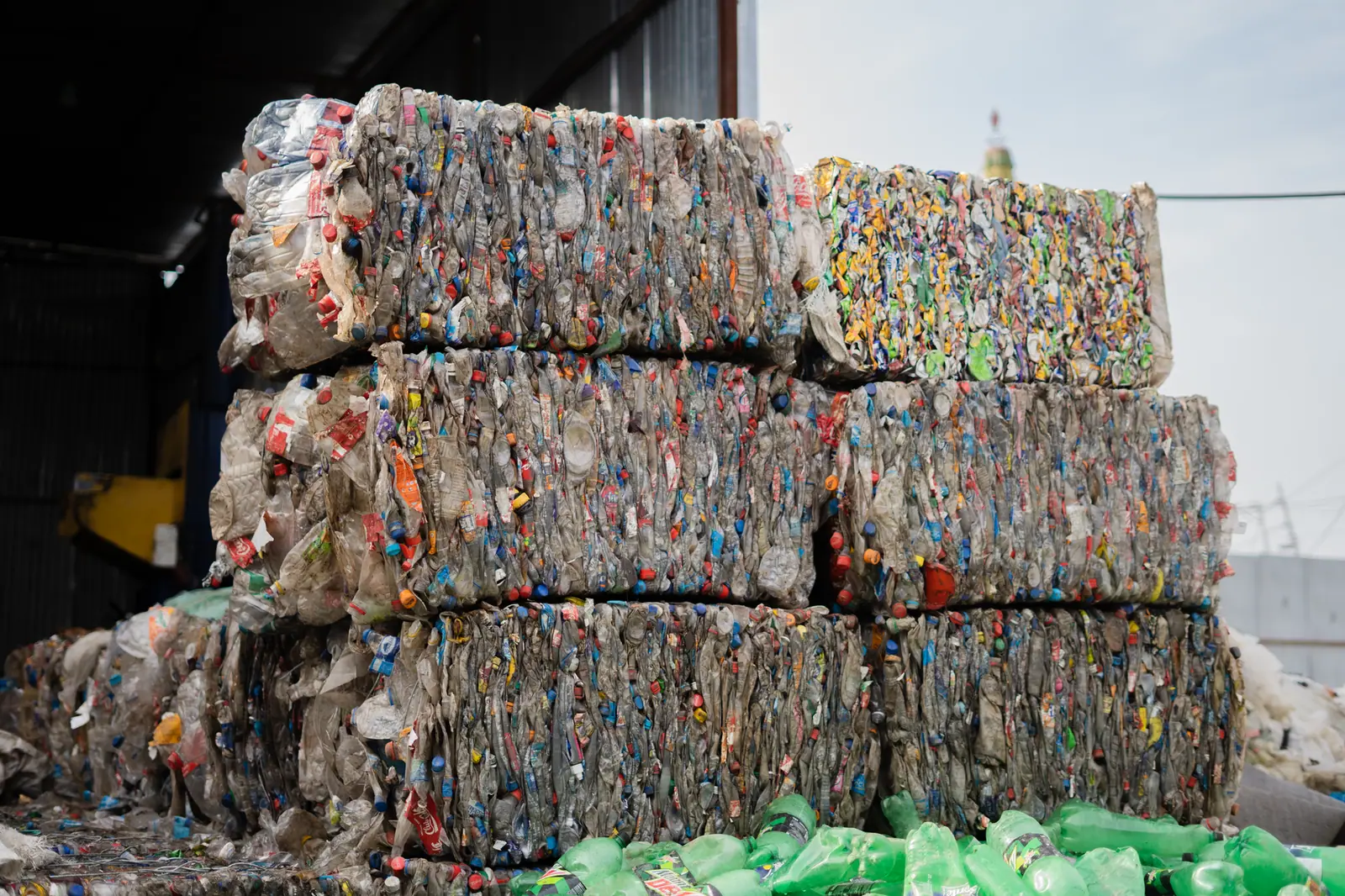
Parliament has voted at second reading to halve the bank guarantees that waste recovery organisations must put up, in changes to the Waste Management Act. The minimum population each organisation must cover is now 350,000 residents.
This follows our earlier report on the same changes, which the parliamentary committee on the environment and water approved at second reading.
Packaging organisations had to provide a guarantee of 1m leva. From now on they will provide €250,000. For used oils and waste shoes and textiles, the sum is €125,000, down from €255,646 (500,000 leva). For batteries, accumulators and end-of-life tyres, it is €25,000, against €51,129 (100,000 leva) until now. People who meet their waste duties on their own must provide €50,000.
Previously, packaging organisations had to cover at least 10 municipalities and 500,000 residents. Clothing and footwear organisations had to cover at least 10 towns and cities and 1m residents.
The environment ministry will carry out regular, extraordinary and additional checks. Parliament rejected a proposal from Democratic Bulgaria (DB) to make the system one of registration, not permits. MPs also voted against scrapping the product fee on motor vehicles.
Stefan Sabrutev of Progressive Bulgaria said the changes are revolutionary. He called them a big step away from a market model that, for 15 years, has concentrated the business in a small number of organisations and limited competition. He said the model makes it hard for new players to enter and sets the stage for costs that citizens and business end up paying. The registration system was dropped because easing the rules cannot come at the expense of state control, Sabrutev said. He added that the changes create conditions for more transparency and tighter oversight by the institutions. In his view, the lower guarantees are a major step towards removing one of the financial barriers for new entrants.
Reports every three and six months were not backed because they cannot be checked or carried out, Sabrutev also said. The initiative was taken away from DB to remove lobbyist wording, he said.
Bozhidar Bozhanov of DB said the bill aims to cut barriers and red tape and increase competition, and that DB will back most of the proposals. In his view, a lighter registration system guarantees competition, while the type of system is a barrier to entry and checks come afterwards. DB agrees with tighter control. He added that there is not a single lobbyist text and that MPs wrote the wording.
Tatyana Sultanova of We Continue the Change said the ruling parties had rejected all her proposals for better control and reporting, including three-month reports. "What exactly kind of revolution are you making? You are making a revolution, but with the opposite sign. The chaos you are creating is even bigger," she said.
Petar Petrov of Vazrazhdane pointed out that even before this the environment minister could order a check. He asked for mandatory cross-checks six months after an organisation starts work. He asked whether voting against was down to lobbying or to serving organised crime. According to Petrov, organised crime gets €40m a year from eco-fees for fake work on dismantling and recovering waste from motor vehicles. Parliament also rejected his proposal that, when a permit is issued, applicants must submit documents showing their waste work will not be fake.
Petar Vitanov, head of the Progressive Bulgaria parliamentary group, said the bill puts an end to oligarchs in the sector.
The changes take effect on the day they are published in the State Gazette.




Comments (0)
No comments yet.