
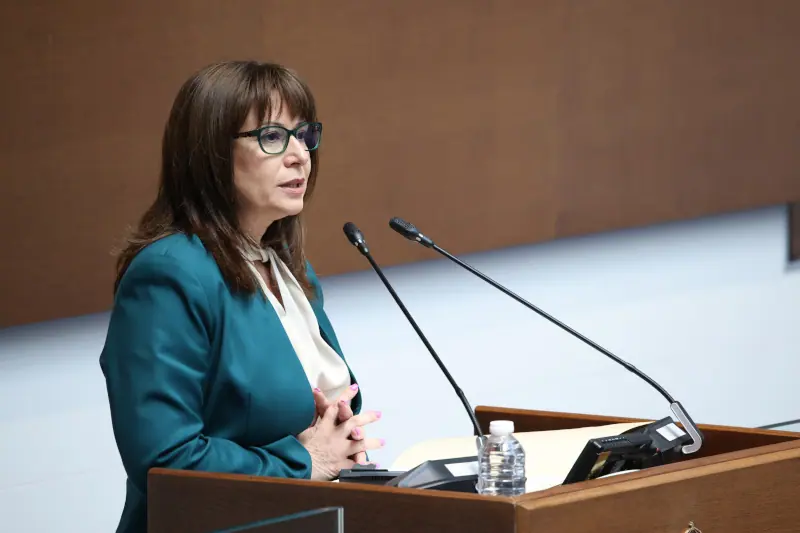
Ombudsman Velislava Delcheva has called for tax breaks and adapted workplaces for employers who hire more people with disabilities. She told a conference in Sofia that her office has consistently pushed for this.
The Maria's World foundation organised the conference, "20 years later: from rights on paper to independent living", to mark 20 years since the UN Convention on the Rights of Persons with Disabilities was adopted. The office's proposals also include real chances for people to build a career. It is hard to live independently without a job and an income of your own, and to depend on welfare for good, Delcheva said.
Complaints to her office show a big gap between the right in law and the chance to use it in practice, she said. "It is important that the answer to the questions 'can I go out alone', 'can I get to school', 'can I vote alone', 'can I have my own income' is 'yes'," the ombudsman said. She went on: "Only then can we say that the Convention and our state have truly changed the lives of these people. Until then, we still have a lot of work to do."
Delcheva raised the issue of legal incapacitation with parliament as early as May. She believes that in 2026 the law should not take away a person's ability to make their own decisions, so the outdated model must give way to supported decision-making.
Reform of psychiatric care, the ombudsman said, cannot stop at repairing buildings and improving conditions in hospitals. It must also include extra services, support in the community, protection of patients' rights and the chance for people to live outside institutions.
Personal assistance must support a person's independence without raising the need for financial help for them or their family, and Delcheva has pressed for this and will keep doing so. Digital services are needed, she said, but only if they make life easier for people and do not put new obstacles in their way. The ombudsman said the convention guarantees that people with disabilities have the same rights as everyone else, not special rights for one group.
At the last election, the ombudsman and the Central Election Commission made it possible for people with disabilities to vote on their own. In Lovech, a woman in a wheelchair could not reach the ombudsman's reception office because the building lacked suitable access. Delcheva wrote to the mayor, who promised a change. She will check in three months whether he has kept his promise.
Comments (0)
No comments yet.