
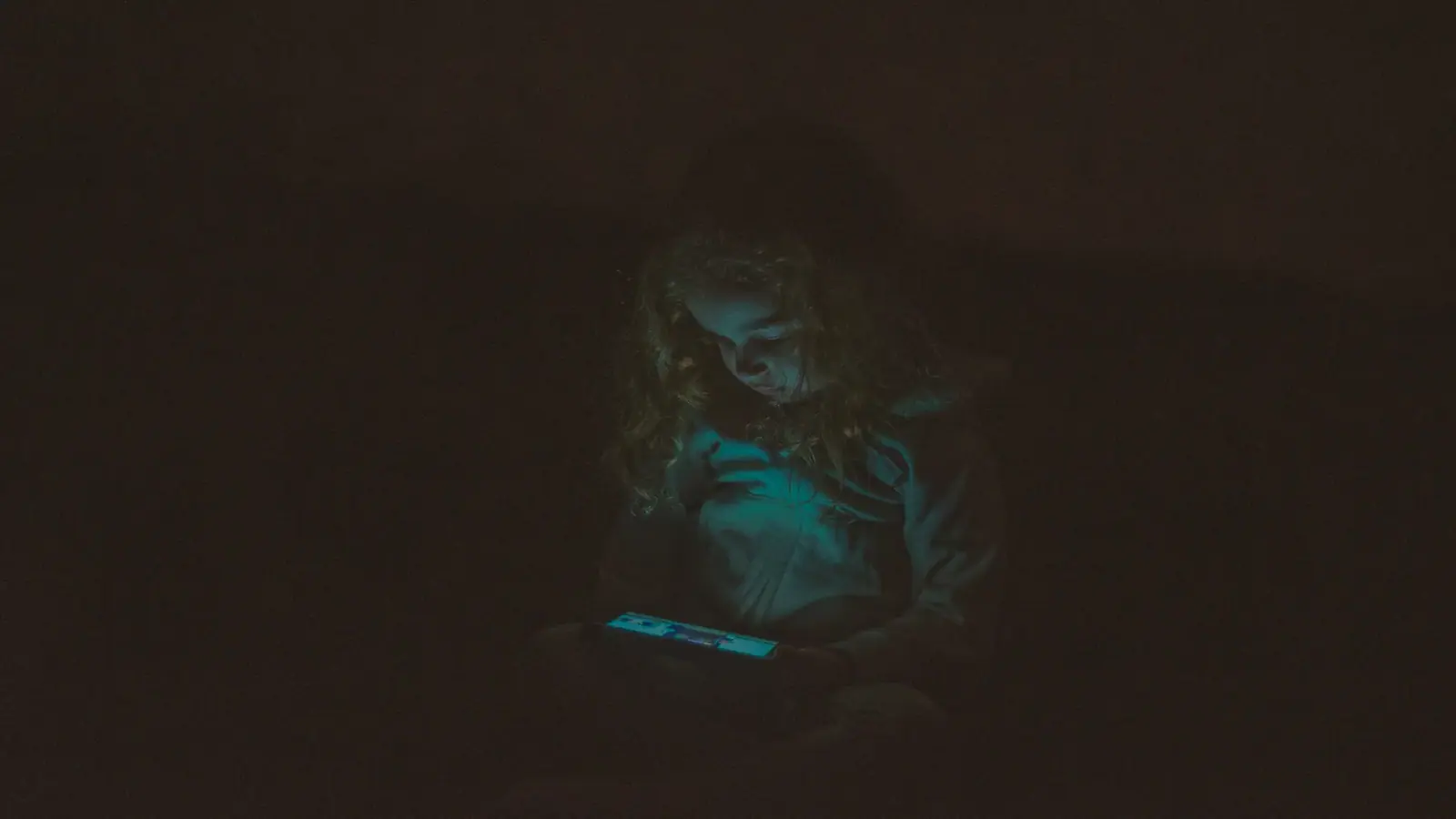
About 35% of children in Bulgaria use phones at night, says Dr Zahari Zarkov of the National Centre of Public Health and Analyses (NCPHA). He spoke at the closing event of "Digital Can Wait", a programme to prevent digital addiction in children of middle-school age.
The project is run by the Offline Kids Foundation and funded by Sofia city council under its "Europe" 2026 programme. Psychologists, teachers and parents attended.
Foundation founder Alexandrina Georgieva and project manager Monika Boeva-Danailova summed up the work. It included educational events in Sofia schools, meetings with parents and teachers, a digital handbook and an interactive lesson. The handbook and lesson are for parents and teachers, and are free to use.
Dr Zarkov is a psychiatrist and head of the Mental Health and Addiction Prevention Directorate at the NCPHA. He says children are drawn to the online world because it gives them quick connection, a sense of belonging, information, entertainment and reactions from their peers.
Dr Tsveta Raycheva, a psychiatrist and addiction expert at the NCPHA, named three main signs of addiction: loss of control, a growing priority given to the habit, and continued use despite the harm. She explained that problem use develops because of personal and psychological factors such as impulsiveness and the need for instant reward. Other causes include peer influence, boredom and personalised recommendations.
Psychologist Kremena Yoneva, also an addiction expert at the NCPHA, said the best approach combines clear rules, real alternatives and personal example. A child needs to develop emotional intelligence, critical thinking, digital literacy, self-control and social skills. Adults should talk to children openly, she said, and aim for clear expectations and self-control skills, without fear and bans.
Alexandrina Aleksova, a psychoanalyst at the NCPHA, said addiction problems come from trying to cope alone, so people should seek help from specialists.
Tsvetelina Simeonova-Zarkin, chair of the city council's "Europe" 2026 programme, said the aim is to link the civil sector with the council to find better solutions for the public good. Since this year the council also runs a "Summer Care" programme for parents and children during the holidays, outside school activities.
Andrea Pandulis, deputy mayor of Poduyane district, said the council is thinking about how to give children more places to go, with interesting events.
Maria Mladzhova, an "Education and Culture" expert in Ovcha Kupel district, hopes work on similar projects will continue. She believes the children they met will remember what they learned.




Comments (0)
No comments yet.