
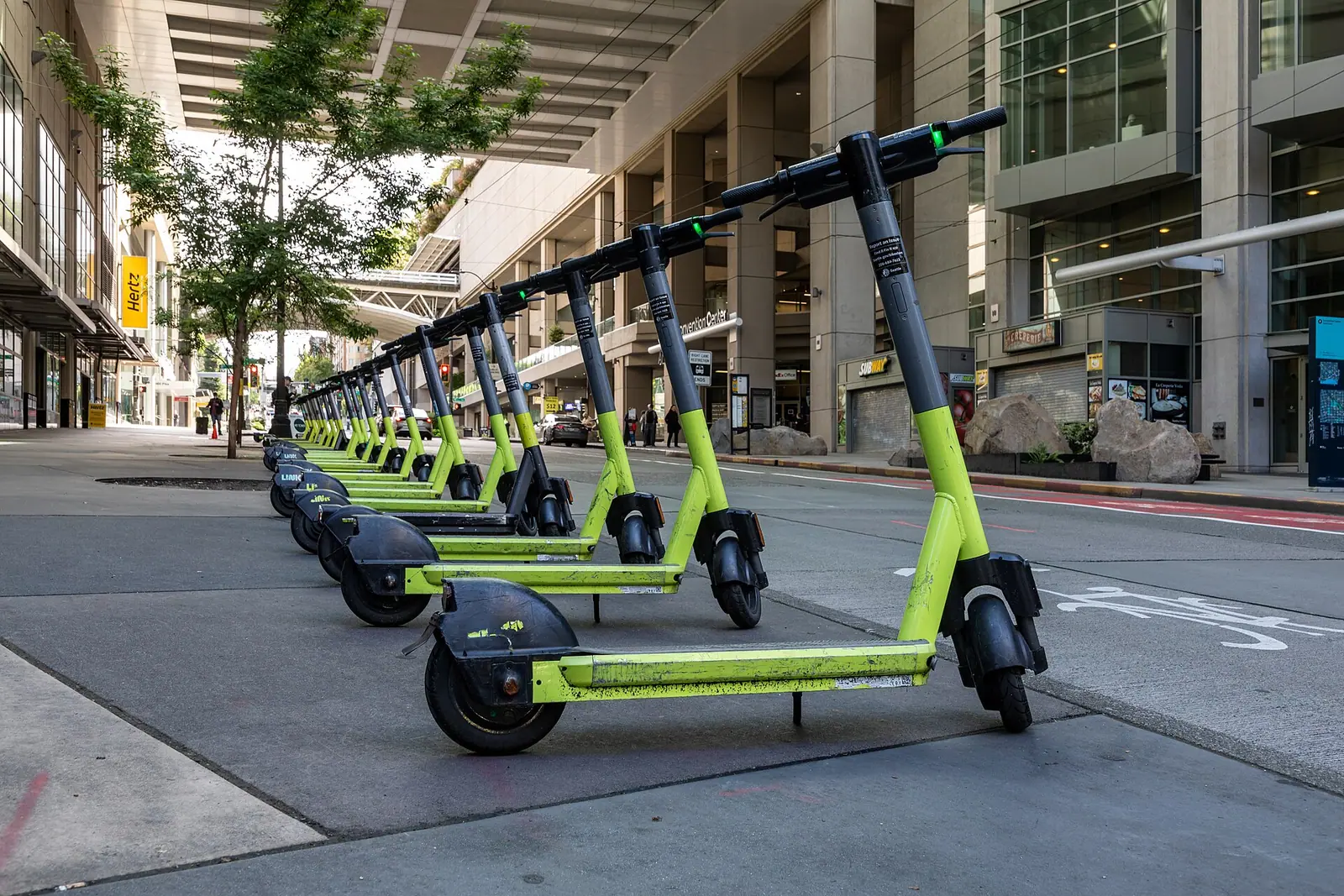
Local councils will register electric scooters and other personal electric vehicles under new rules the government approved, the cabinet's press office says.
The rules set out how registration works, who can apply and what papers they need. They also spell out what mayors must do, how the register of vehicles and owners will be kept, and what data goes into it under the Road Traffic Act.
The rules also cover what happens if details change, and how registration can be stopped or restored. Applications and declarations will use standard forms, which the government says will make things easier for people.
The rules take effect three days after they are published in the State Gazette. Chapters two and four become compulsory 12 months later.
That 12-month gap gives councils time to set up the staff, tech and paperwork they need for the new system, the government says. During that time, owners can register their vehicles before the rules fully kick in and before anyone faces fines for not registering.
The government expects registration to make roads safer and easier to police, since it will be possible to tell who owns a vehicle.
Parliament's transport committee did not back changes to the Road Traffic Act on first reading last week. Those changes would have required riders of such vehicles to hold at least an AM driving licence. MPs also rejected a proposal to ban electric scooters from public roads, parks, gardens, playgrounds and pedestrian zones.






Comments (0)
Все още няма коментари.