
Grape growers near Svilengrad protest: 80% of the crop still on the vines
Radostin Angelov
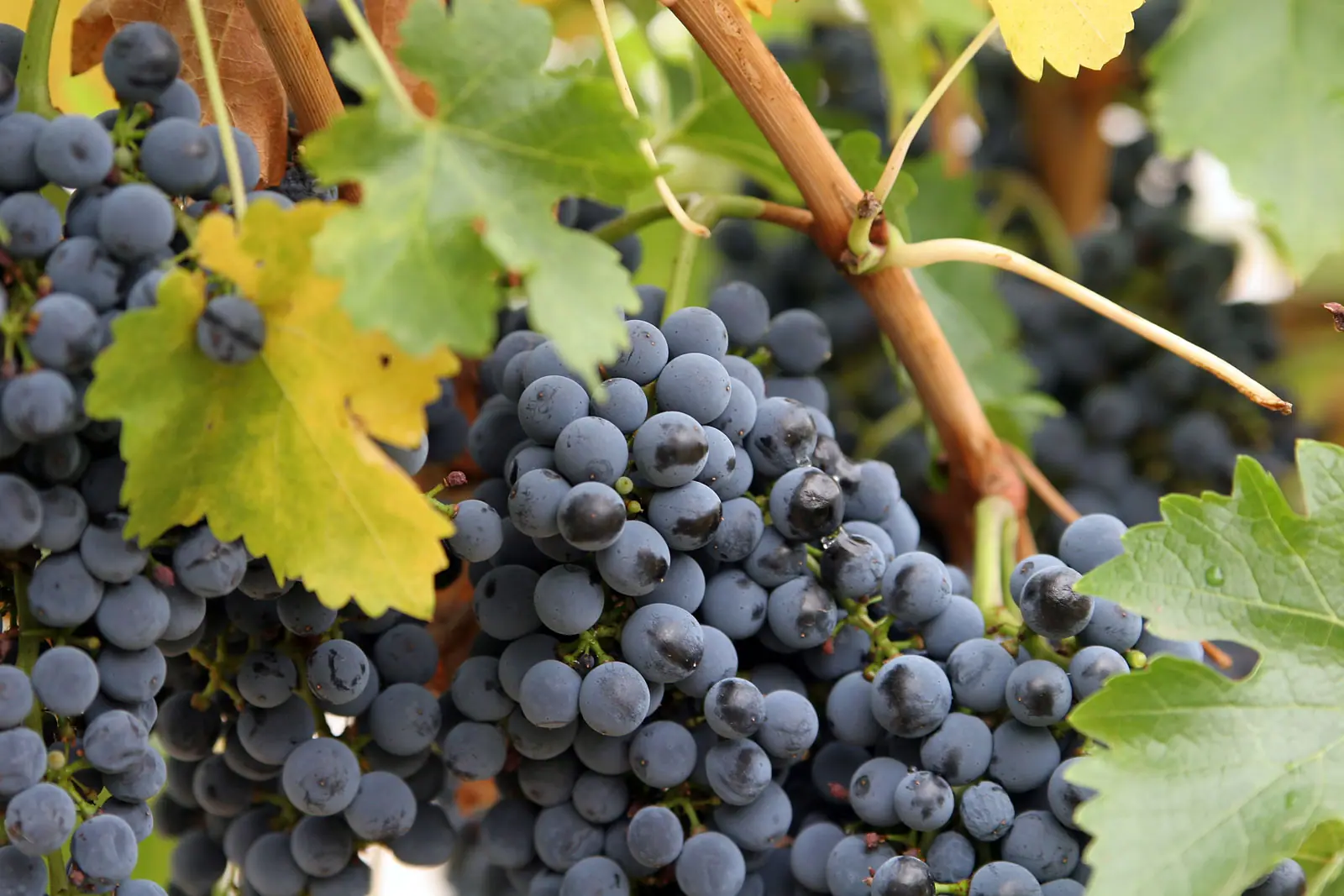
Growers are calling on the government to step in and get wineries buying. They say they have 10 to 15 days left before the grapes go bad on the vines.
Grape growers block road near Svilengrad over unsold harvest
Grape growers blocked the road to the village of Pastrogor, near Svilengrad, on Tuesday to demand the government help sell this year's harvest. About 80% of the crop is still on the vines, and almost no one is buying.
The growers want the state to step in and negotiate with big wineries on their behalf. If nothing changes soon, they warned, the sector will face serious trouble and businesses will go under. This year's grapes are high quality, but they can stay on the vines only another 10-15 days before the weather starts to spoil them.
"Not a single buyer has even asked what the price is," said Zhivko Zhelev, a farmer from the village of Mustrak and one of the protest organizers. He grows Dimyat and Merlot on 10 decares of vineyards he inherited and another 10 he rents. He switched from tobacco to grapes because tobacco farming had no future, he said. Some growers have managed to sell small amounts, at 0.30 to 0.35 euros a kilogram.
Albert Levi, who owns a winery in the same village, isn't buying grapes either — his own wine isn't selling. He joined the protest in solidarity, since the two problems are linked.
Krasimir Koev, an adviser to the agriculture minister and former head of the Executive Agency for Vine and Wine, also came to the protest. He said the state can't set grape prices, since buying grapes is a private deal between wineries and growers. For now, he said, growers can only count on EU crisis money: up to 306 euros per hectare, 150 euros per hectare under the so-called "Iran aid" scheme, plus compensation for diesel fuel. Under the crisis plan, more aid will come next year, once all vineyards have been counted, worth 304,000 euros per hectare, Koev said.
"The minister feels for growers and takes their problems seriously," Koev added, noting the minister has only been in the job for four months.
Koev said the trouble isn't down to imports, but to wine sitting unsold in winery tanks that are already full, leaving no room to take in more grapes for processing. About 800 tonnes of grapes have come in from Romania so far this year. Before the pandemic, imports ran between 5 and 7 million kilograms a year; now they're under 1 million kilograms. Imports can't be blocked when the paperwork, taxes and VAT are all in order, he said, and the only grapes coming in from North Macedonia are table grapes for eating, not for making wine.
The state does help wineries sell Bulgarian wine in Europe and other foreign markets, Koev added. The slump in wine sales, he said, is part of a wider problem hitting vineyards and wineries across Europe.
Without buyers for their grapes, growers said they won't be able to cover their costs and debts, and called for concrete action.
Radostin Angelov
Author of this article
следи обществото, икономиката и националните теми през погледа на Южна България. Интересува се от бизнеса и земеделието в Хасковско.



Comments (0)
No comments yet.