
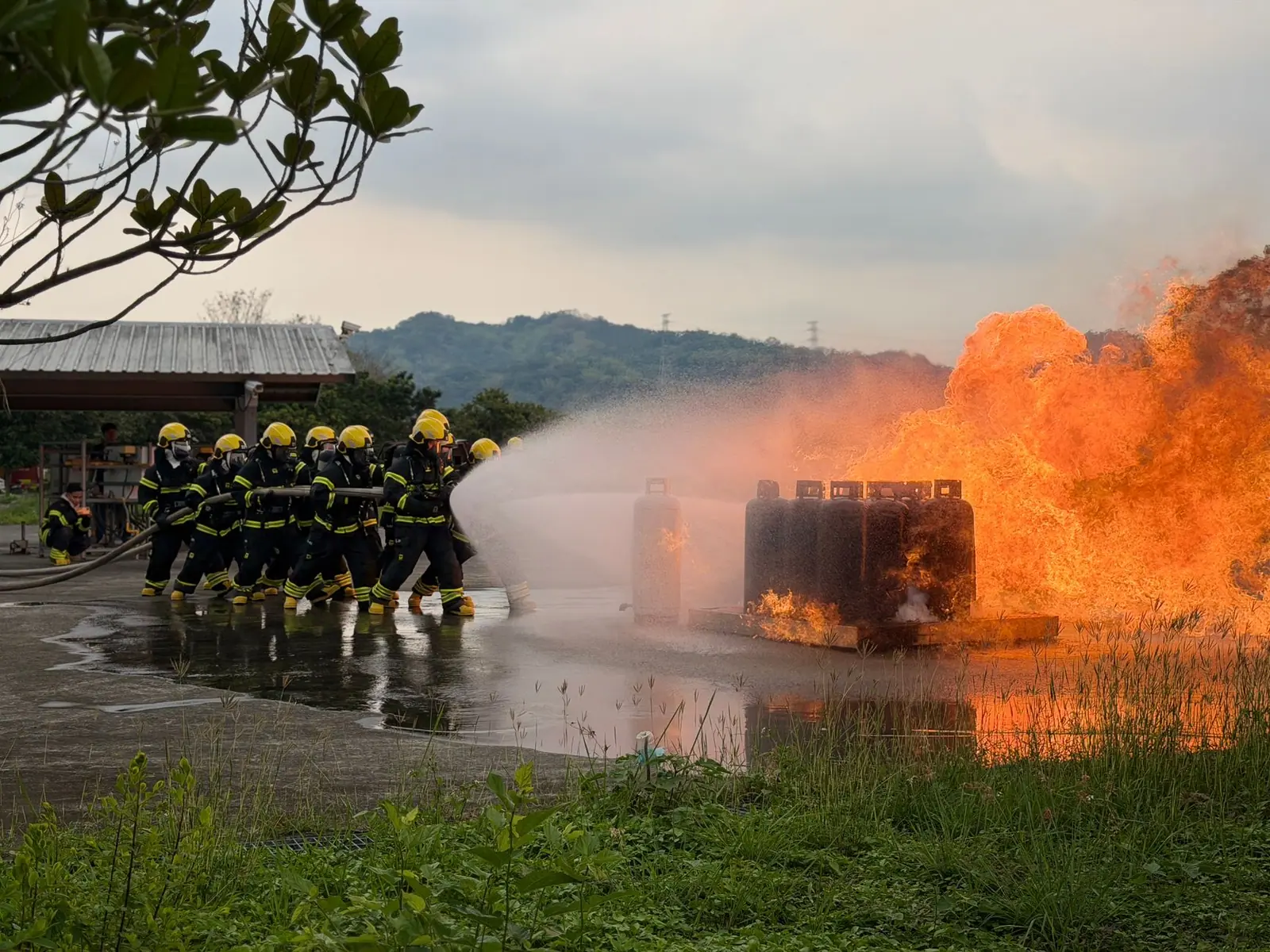
Yasen Tsvetkov, head of the National Association of Volunteers in Bulgaria, has called for changes to the Disaster Protection Act instead of a separate law on volunteering. He spoke in Haskovo. The act has been in force for more than 15 years and needs updating, Tsvetkov said.
Talks with government officials have so far brought no real progress on the association's proposals, he said. He wants volunteers to take part in prevention, not only in crises. "It is high time volunteers were used in prevention, and not only when the cart has already tipped over," Tsvetkov said.
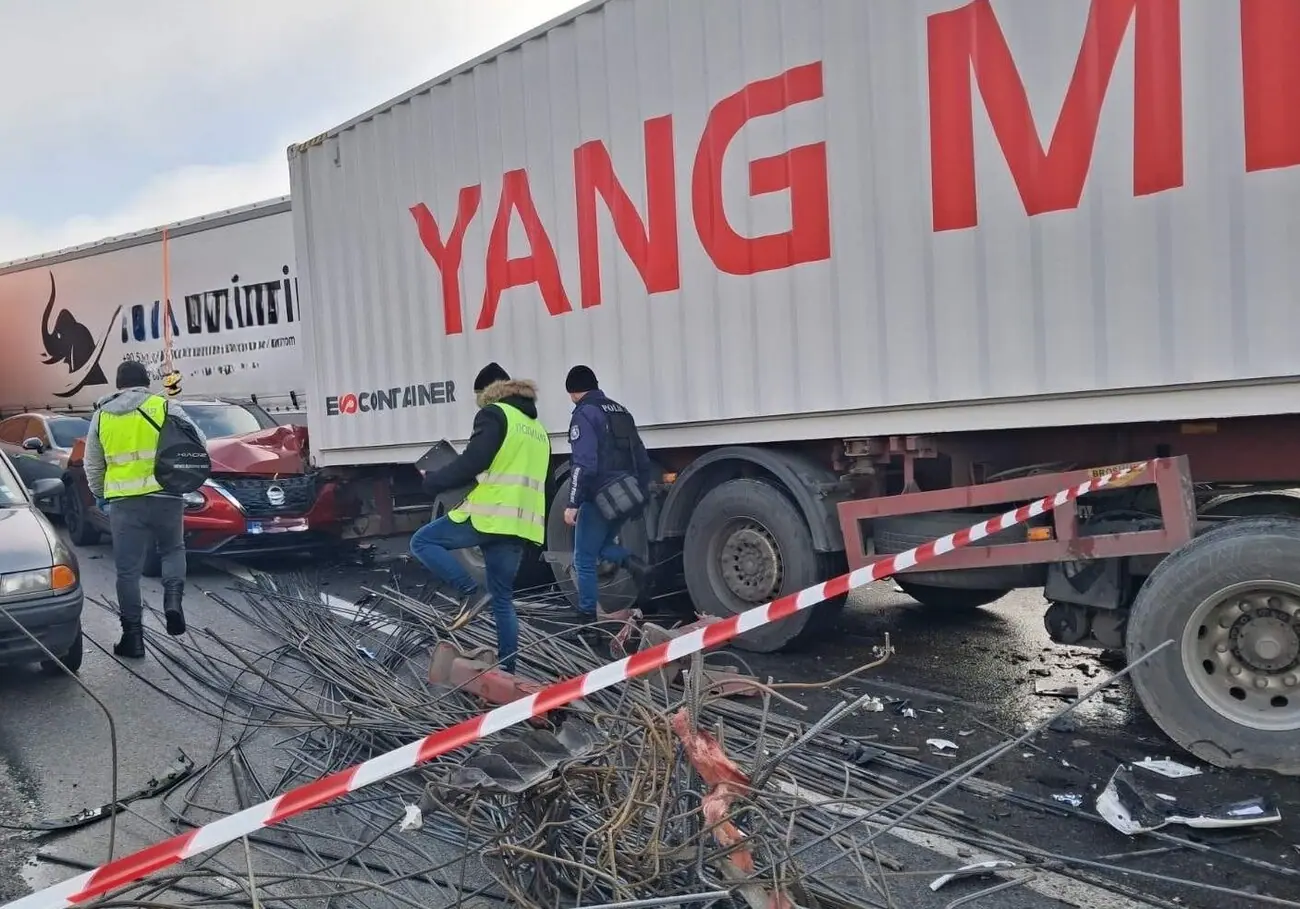
A two-day training course for municipal staff is under way in Haskovo. The association is running it under a project funded by UNICEF. The course covers how local authorities and institutions should prepare for and respond to disasters. It opened with a minute of silence for those killed and injured in the serious crash on the Trakia motorway.
This is the fourth course the association has held in Bulgaria. More than 120 municipal staff have already taken part, and with Haskovo the total is about 140.
Participants learn how to declare a state of disaster, how to set up and run volunteer units, how to train and equip them, and how disaster protection work is paid for. They also cover how institutions and volunteers coordinate on the ground, and how to inform people, including children and young people. The training has a practical part too, with a role-play of a disaster.
The register lists just over 4,000 volunteers in nearly 250 volunteer units across Bulgaria. More than 90% of volunteers are attached to municipalities, and about 15 of the 265 municipalities have no units.
The association is most concerned that in some municipalities the units exist only on paper and cannot go out into the field when help is needed. Tsvetkov would rather have two or three motivated, equipped, insured and trained volunteers than ten who do not know they belong to a unit. He also says it is wrong to force municipalities to set up units only because a rule requires it, with no conditions for real work.
Units run by clubs and associations are already active and work alongside municipal and professional teams. But they do not get even the minimum state funding for equipment and training that municipal units receive. Tsvetkov wants more support for them. He also proposes tax or other relief for firms that give volunteers equipment, transport and gear, as happens in developed countries.
Petranka Kuzmanova, head of the Trakia volunteer unit in Haskovo, said the unit is not part of the municipality and holds joint training with the fire brigade. Having no link to the municipality gives it more freedom, but it also means no state or municipal funding, she said. She thanked local business for its support. "People feel good when they see they are doing something useful," Kuzmanova said.
Trakia is recruiting new volunteers, and interest is high. The unit will also take part in an international simulation.
Comments (0)
No comments yet.