
The KNSB trade union confederation will ask energy minister Iva Petrova to start compensating firms for high power prices from €120 a megawatt hour, not from €180. It will make the request at a meeting today. The union also wants the money paid monthly. KNSB president Plamen Dimitrov outlined the position in Haskovo.
The power exchange price has reached €325 a megawatt hour, and some big firms are discussing job cuts. Dimitrov says the sharp rise makes life hard for business. He says long spells of high prices will weigh on firms, and if they pass the costs on, goods and services will cost more.
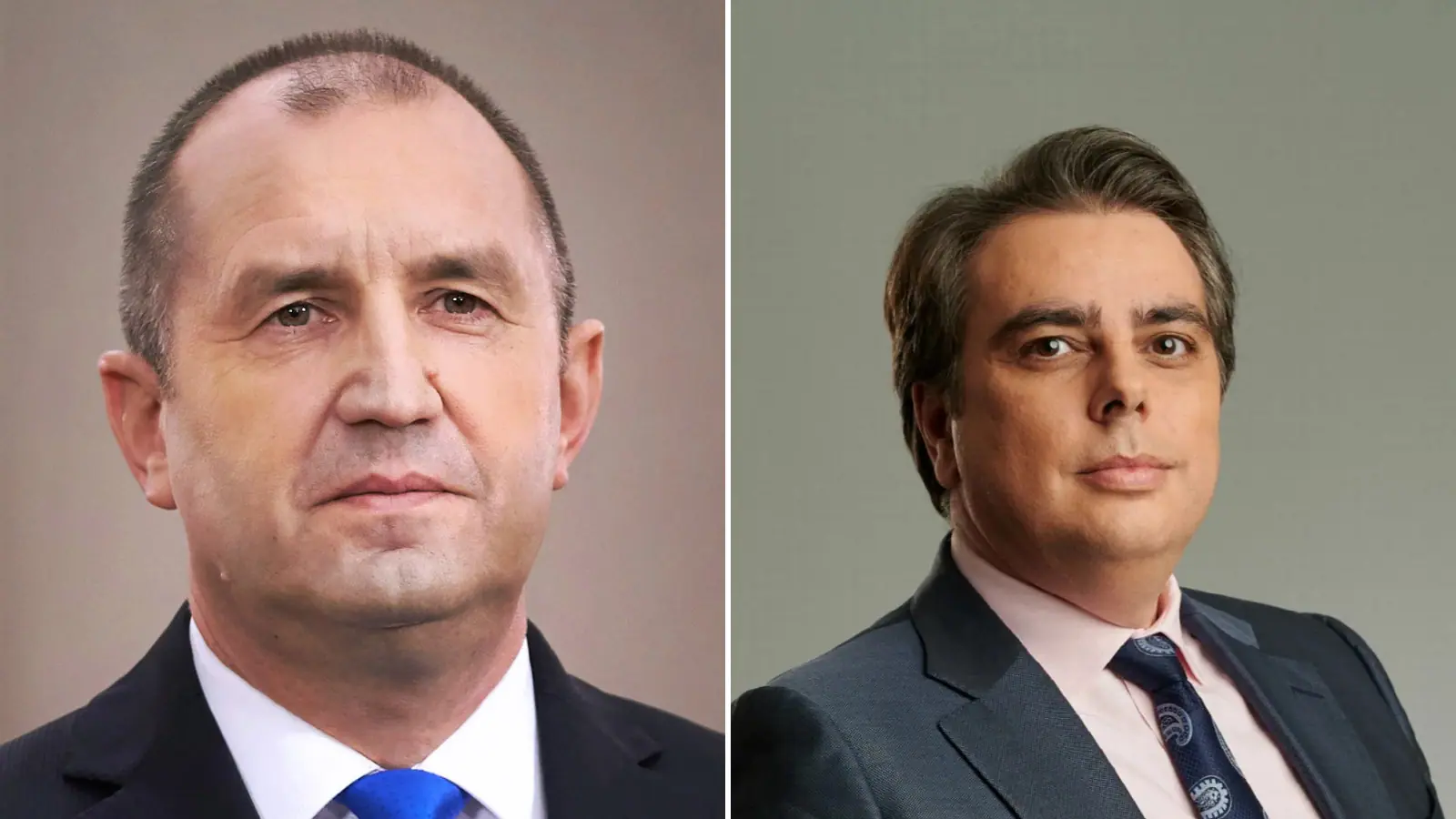
The unions asked for the meeting in a request to prime minister Radev last week. This afternoon, employers' groups, KNSB and the Podkrepa labour confederation will meet Petrova. Deputy prime minister Pulev is also expected to attend.
Haskovo is one stop on a KNSB tour of regional centres. Dimitrov is meeting local union leaders and discussing the economy, incomes and the problems of working people.
KNSB wants the money to come from the Electricity System Security Fund and to be calculated at the average exchange price for each month. Payment now takes up to ten months.
The union also wants to keep the separate scheme for energy-intensive firms, where compensation starts at about €63-64 a megawatt hour. About 60 firms in metals, chemicals and other energy-intensive industries are in this group. Dimitrov says they employ many people and make a major contribution to GDP.
The fund must hold enough money both to compensate firms and to keep prices steady for households. The union expects new money from power producers, including solar plants and batteries. KNSB says households should get support at least until 1 July, when the current aid scheme is due to change.
The 2027 budget has yet to be debated. KNSB backs the tax package, which aims to raise about €2bn in extra revenue by taxing windfall profits in six groups of businesses. The union wants the gambling sector taxed too.
Dimitrov called the cut in the deficit to 4.3% a positive sign for consolidating public finances. But he says this must not hurt incomes or the work of public services. He says the proposed minimum wage of €660 is a mistake, because a rise of 6.4% will not catch up with this year's inflation.
The unions want the planned 5% pay rise in the public sector doubled. That needs another €250m, which Dimitrov says is "not some miracle, set against a budget of €60bn".



Comments (0)
No comments yet.