
Bulgaria's Regional Development and Public Works Ministry has proposed new rules for the Road Infrastructure Agency (API) and put them out for public comment. Under the draft, staff would fall by 613, from 2,411 to 1,798 posts.
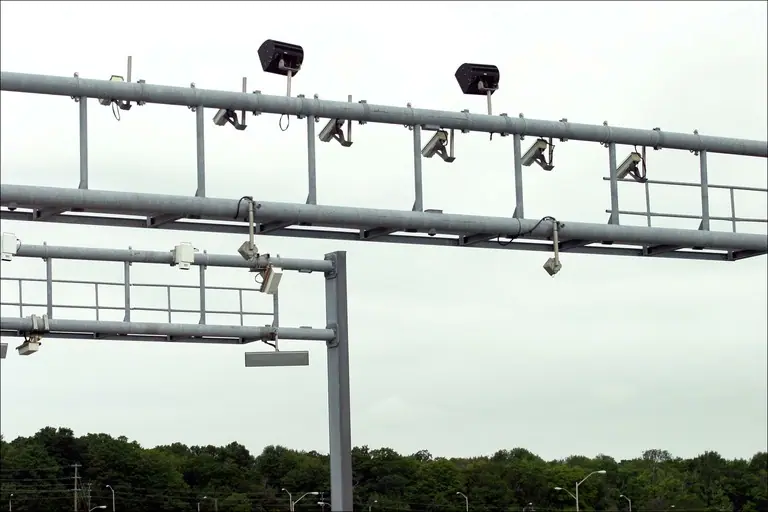
The biggest cut is at the National Toll Administration (NTU): 505 posts, of which 105 are vacant, the ministry says. Automated checks will replace manual checks in the field. The aim is a steady yearly income from road tolls and vignettes.
The "Control and Law Enforcement" department will lose 470 posts. NTU will keep 377, which the ministry says is enough for the scope and nature of its work. With the new equipment, hundreds of staff are no longer needed for manual checks, the ministry said. Spot checks will take place only at the most problematic sites.
The ministry says the switch from human to machine checks will raise collection rates and remove the risk of corruption. Staff costs in the ministry's budget, and so in API's, will fall by 10%.
The ministry says the agency's structure is too fragmented. Until 2025, the central administration had 12 directorates: five general and seven specialised. It then grew to 16: six general and 10 specialised. The ministry says the agency's legal duties have barely changed, so the rise has no basis in new tasks. Under the plan, the general administration will have four directorates and the specialised one eight.
Posts from the restructured directorates will move to the new or reorganised units, and an increase in some comes at the expense of others. The ministry says duties are now set out more clearly, with no overlap and no "bottlenecks", and that the units will coordinate better.
All 27 regional road departments keep their current duties, but their posts fall from 1,080 to 991, or by 89. The Institute for Roads and Bridges will be able to work with Bulgarian and foreign universities and with institutes of the Bulgarian Academy of Sciences, take part in projects and invite experts from abroad. It is meant to be a centre of expertise and new technology and to train staff for API and for design and construction firms.
The draft is on the public consultation portal and on the websites of the ministry and API. No deadline for comments is given.
In October, the Construction, Industry and Water Supply Federation of the Podkrepa Confederation of Labour held a protest called "Security and Predictability of Jobs at API". After talks with the agency's management, engineer Ioannis Partheniotis, a vice president of Podkrepa, told reporters the reform would come in two stages. Prof Oleg Asenov, head of NTU, also took part in the talks.
In the first stage, within four months, 505 posts at NTU will go. Of these, 420 are held by staff, Partheniotis said. Some of them will be offered jobs in other state bodies.






Comments (0)
No comments yet.