
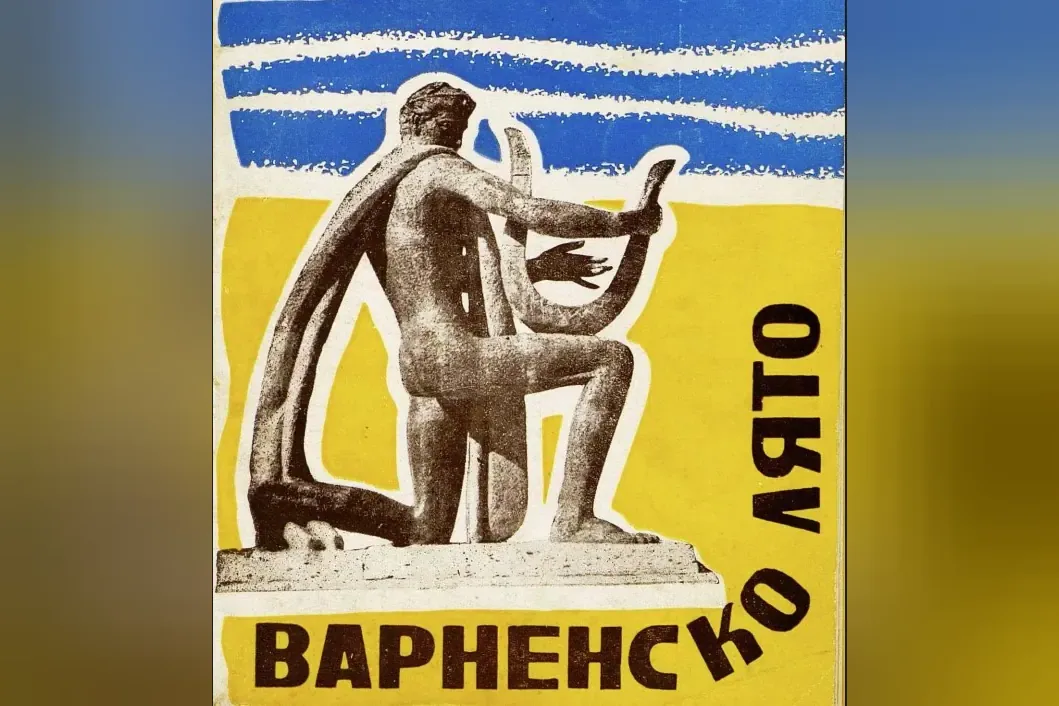
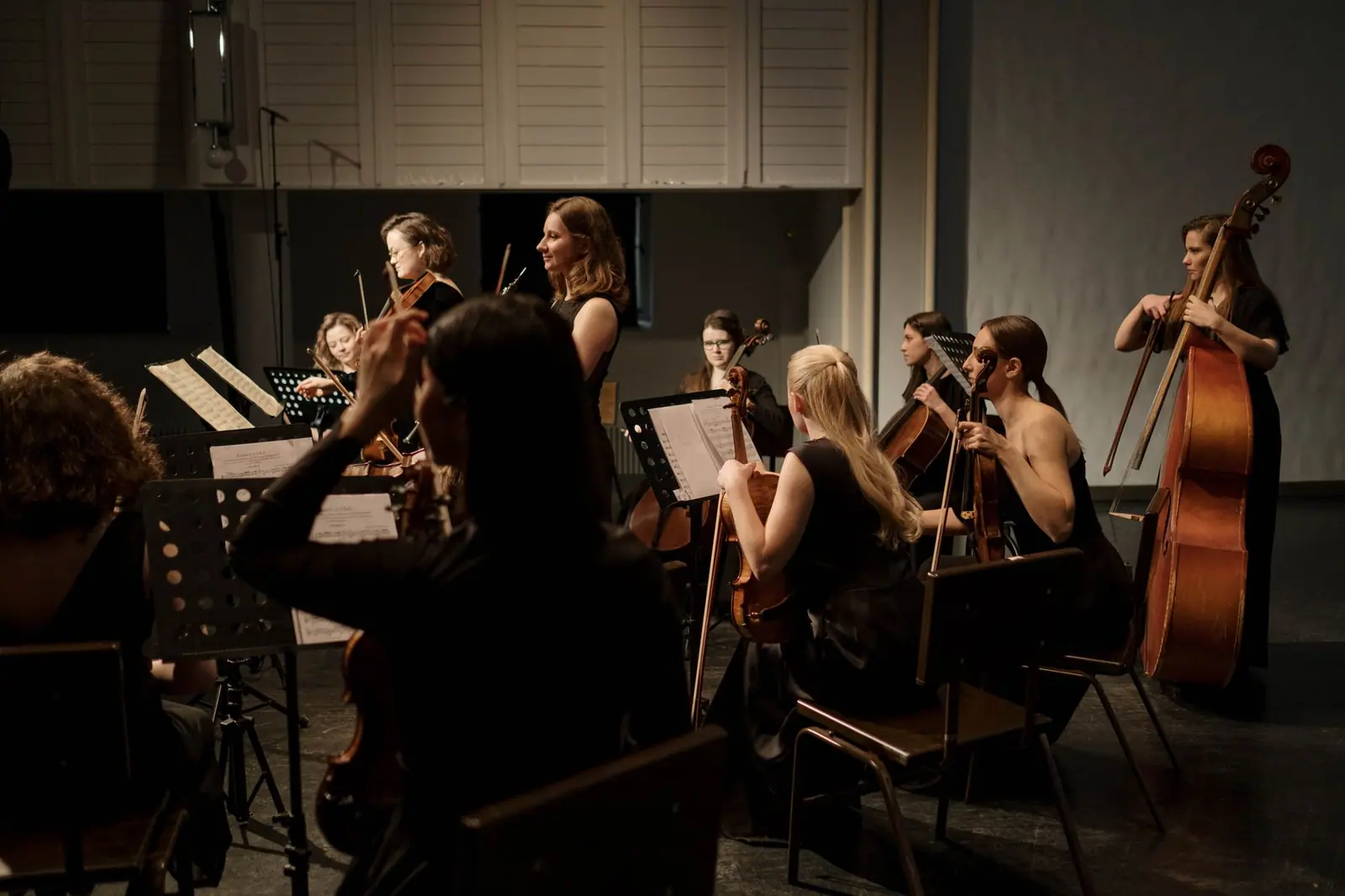
BTA presented the October issue of LIK magazine today at its National Press Club in Varna. The issue marks 100 years since the first Varna Summer International Music Festival and is titled "100 Years of Varna Summer on the Music Stage".
BTA also showed its new section, "Celebrate Bulgaria" (#CelebrateBulgaria).
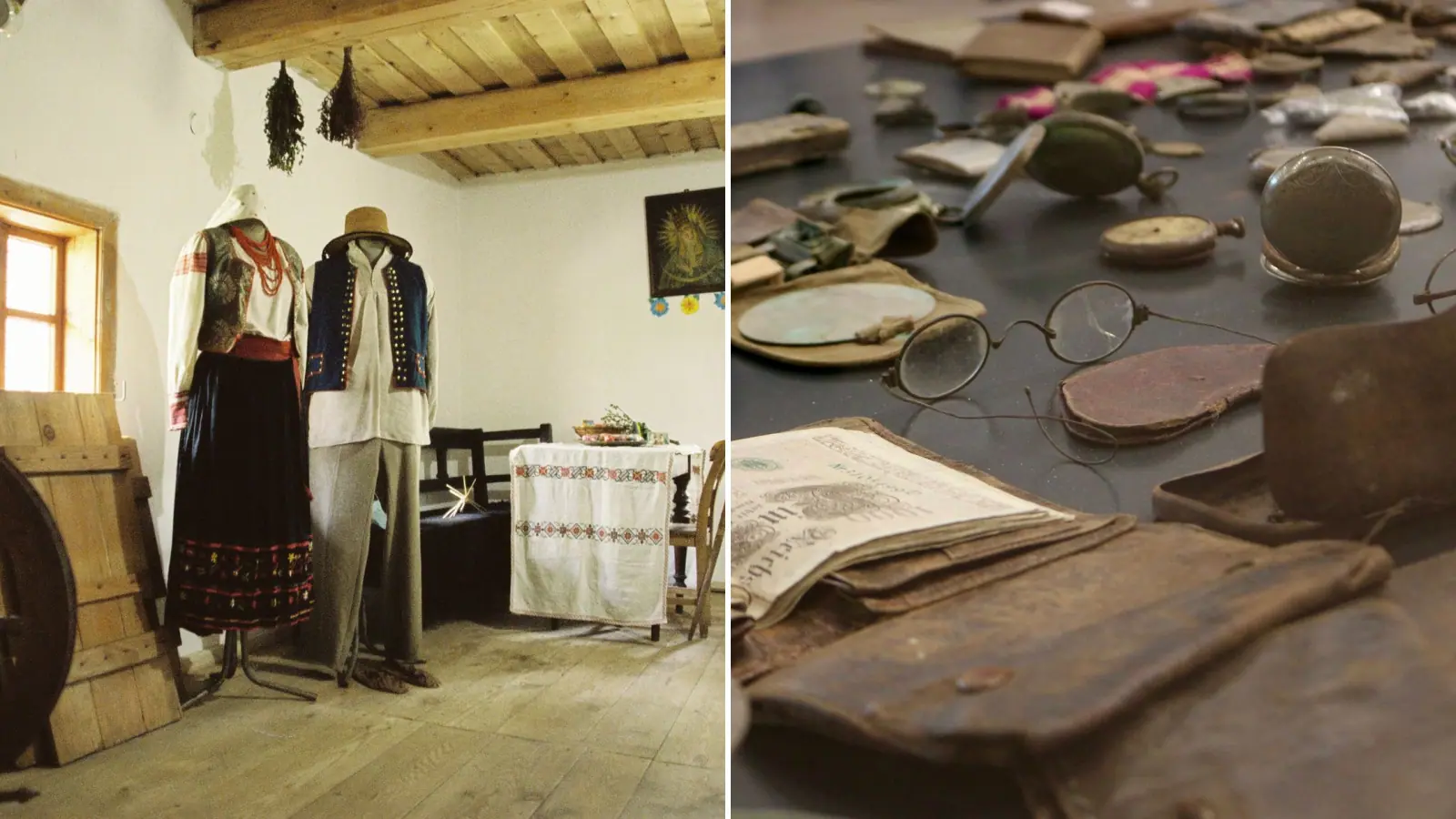
The issue's second main theme is the 120th anniversary of the Regional History Museum in Varna.
Guests included BTA deputy director general Evgenia Drumeva, LIK editor-in-chief Assoc. Prof. Georgi Lozanov and managing editor Yanitsa Hristova. Also in Varna were deputy mayor Sofia Koleva, the festival's art director Prof. Mario Hosen and museum director Igor Lazarenko.
Guests from BTA press clubs across Bulgaria and abroad joined by video link. Speakers came from Blagoevgrad, Burgas, Veliko Tarnovo, Vidin, Vratsa, Gabrovo, Gotse Delchev, Dobrich, Kazanlak, Kardzhali and Kyustendil. Lovech, Montana, Pazardzhik, Pernik, Petrich, Pleven, Plovdiv, Razgrad, Ruse, Samokov, Svishtov, Silistra, Sliven, Smolyan, Stara Zagora, Troyan, Targovishte and Haskovo also took part.
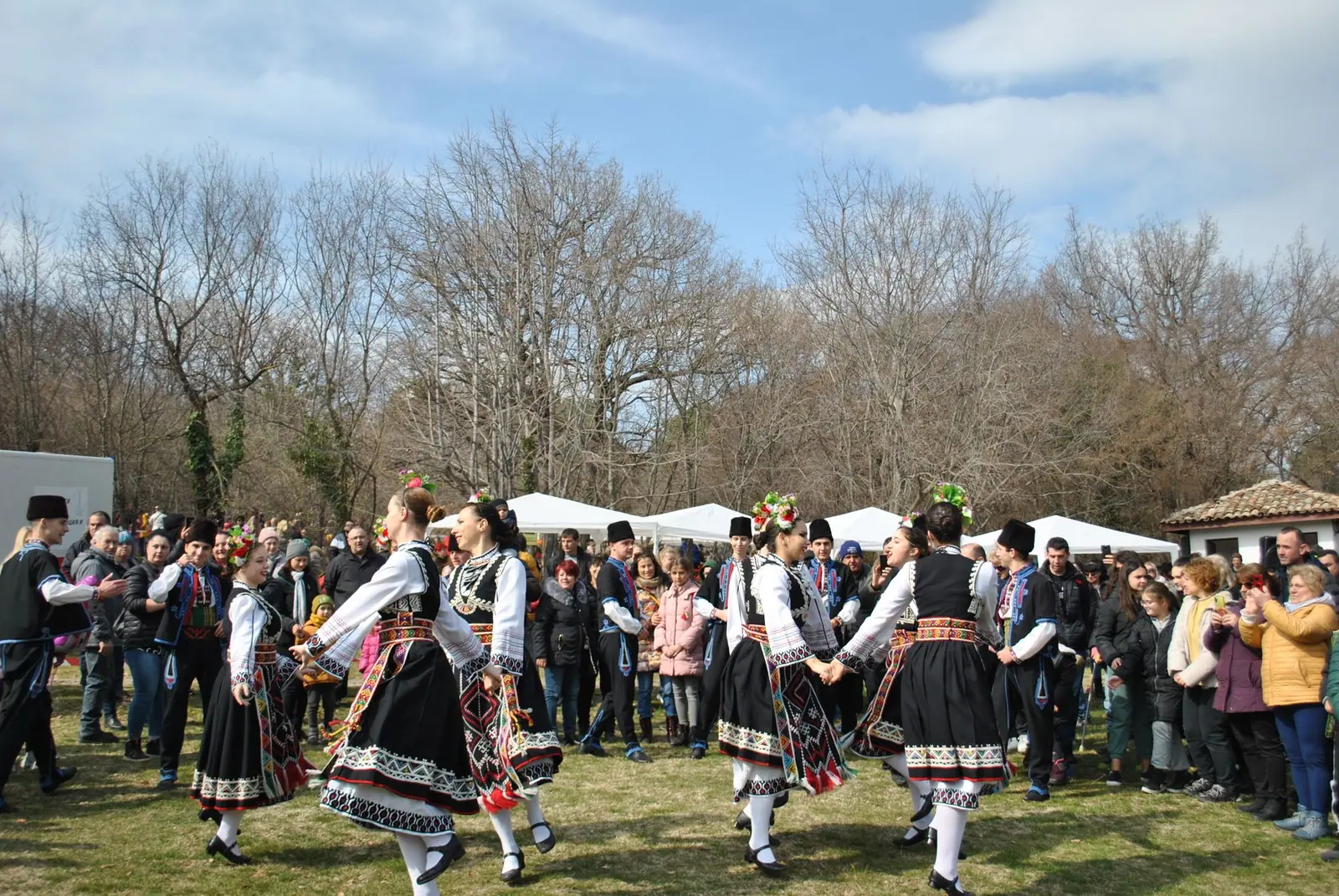
The section gives more information on festivals and holidays in Bulgaria. It is aimed at tourists and at people who want to enjoy music and dance performances. It has a map of events by region and municipality, and the stories come with text, photos and video in Bulgarian and English. Evgenia Drumeva, who presented the section, said it will help people decide where to go on a free weekend, based on their interests.
Maria Valcheva, director of the municipal enterprise "Summer Theatre, Festivals and Concerts", joined from Burgas. The city hosted more than 10 festivals, dozens of exhibitions and film forums in the summer of 2026 alone, and the municipality helped with many of them, with money, organisation or logistics.
Valcheva said the municipality's policy rests on three aims: variety, sustainability and renewal. The goal is for Burgas to become a festival city all year round. The municipality wants not just more events, but a lasting cultural calendar that draws a wide audience.
Assoc. Prof. Lozanov said Varna is a festival city and that Varna Summer has long shaped Bulgaria's cultural identity nationwide. He said such events build their own audience, because classical music needs education to feel its depth, and festivals create hierarchies of values that help audiences form their own criteria.
Deputy mayor Sofia Koleva called the festival the heart of Varna's cultural life. She said it is not only a historical asset but also shapes the modern face of the city. Art makes people better and leads them to higher goals, and the festival gives that chance, she added.
For Yanitsa Hristova, Varna Summer turns the city from a resort into an experience for the senses. She said the October issue is especially festive because it brings together the anniversaries of the festival and the museum, the two pillars of cultural life.
Prof. Mario Hosen reminded the audience that European civilisation over the past 500 years has been built on the classical tradition. He said we have a duty to bring young people into the world's civilisational heritage. The main message of the 100-year-old festival, he said, is to link the classical tradition with young people, who will shape the face of the Bulgarian nation in the coming decades.
Museum director Igor Lazarenko said the Varna museum began as a small exhibition in the attic of the Girls' High School, where it still is today. He said the museum shows cultural heritage from the Mesolithic to the 19th century and is open in all four seasons, but tourists from every continent visit mainly in summer. The building allows a rich heritage to be shown, he added.
Vasil Dimitrov, chairman of the Bulgarian Festival Association, said many new festivals in Bulgaria have appeared in the past 15–20 years. The association represents artistic festivals in music, film, theatre and dance, and backs those that help culture grow. He said Bulgarian festivals have great potential, but they need adequate, proportionate funding and more predictable support from the state.
The mayor and deputy mayor Veronika Todorova joined from Troyan. The event coincides with the town's holiday, Petkovden. The municipality supports festivals with organisation, logistics and money, and this year projects submitted for funding under the cultural calendar are 30% more than last year. The mayor said festivals in the Troyan area combine respect for local traditions with new initiatives and bring economic benefits to business.
Dimitrina Drenska, chair of the "Klyuch" association in Lovech, spoke about the Panayot and Lyubomir Pipkov National Choir Festival, which the association mainly organises. Its third edition runs from 23 to 25 October. She said the aim of such events is to promote Bulgarian song and preserve what is Bulgarian.
Dimitar Cholev, director of the "Education and Culture" directorate in Petrich municipal administration, spoke about the festival "Once Upon a Time… When Bread Had a Soul". Its fifth edition takes place on 18 October in the village of General Todorov. The festival presents Bulgarian traditions and gathers participants from different parts of the country. About 45 chitalishte (community cultural centres) and institutions have signed up, and more than 500 participants are expected. Cholev said festivals and cultural initiatives in the municipality help preserve traditions, promote local cultural and historical heritage and attract visitors.
Maestro Dimitar Kosev, chief conductor of Ruse Opera and recently named artistic director of the "March Music Days" festival, said the Ruse festivals "Stage Under the Stars" and "March Music Days" have different but complementary roles. The first makes culture more accessible and visible in the city. The second establishes Ruse as an international centre of classical music.
Aneliya Decheva, head of the "Culture and Tourism" department at Pleven municipality, and Katya Bozhikova, secretary of the LIK community cultural centre (chitalishte), spoke from Pleven.
Speakers from Odesa and Taraclia also joined through BTA correspondents. Nadezhda Cherneva, director and artistic leader of the O. Salik Odesa City Music Theatre, said the Bulgarian Culture Festival in Odesa is part of the citywide "Multicultural Weeks" project. She said Bulgarian culture is widely presented in the city through concerts and festivals. There are also celebrations for the Day of Bulgarian Education and Slavic Literacy, the Day of the Bessarabian Bulgarians and the Day of the City.
Anna Voytovich, director of the House of Children's Creativity in Taraclia district, said taking part in festivals in Bulgaria is a new step in the children's creative growth. She said it makes them feel part of Bulgaria's centuries-old history and culture. The House turns 80 this year, and 350 children study in its studios for vocals, choreography, theatre, decorative arts, design and computer technology.
Comments (0)
No comments yet.