
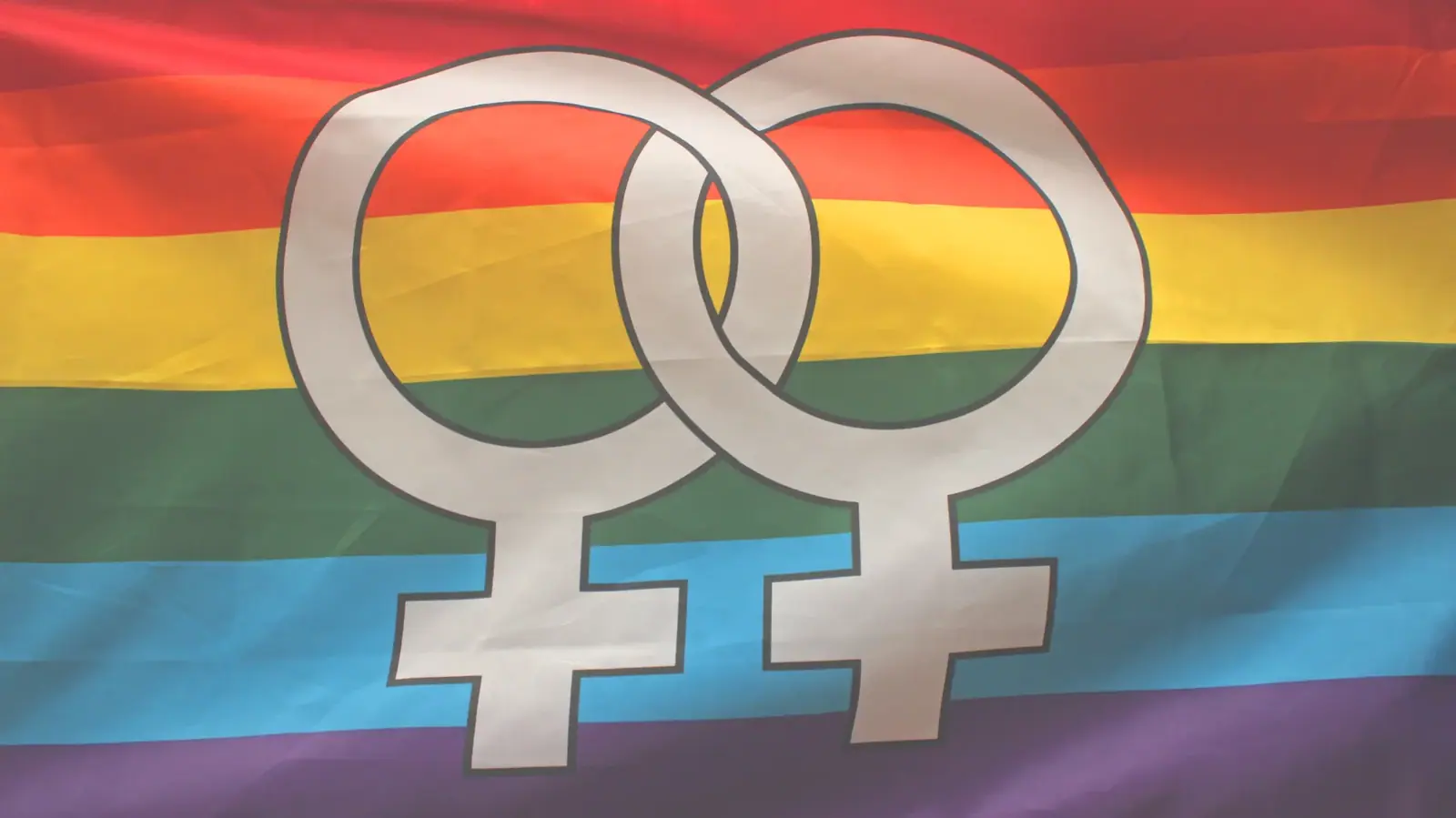
93% of lesbian, bisexual and non-binary people attracted to women who took part in a survey say they have faced at least one form of harassment or violence. The figures come from the report "Lesbophobia: hidden forms of gender-based violence in Bulgaria" by the Lespectra association, presented by co-founder Dorotea Stefanova.
Eight in ten lesbians do not tell the authorities what happened to them. Those who do report physical violence, discrimination or sexual harassment most often go to LGBT organisations rather than the police or health services, the analysis says.
Appearance and gender expression are among the most common reasons for harassment and violence against LGBTI people in Bulgaria. Stefanova said most cases happen in public places, and the attackers are most often strangers.
Verbal harassment was the most widespread, reported by 79% of participants, followed by sexual harassment at 68%. Online harassment affected 49%, threats 44% and physical violence 39%.
The research ran from April to July 2025. It included a survey of 147 people and nine in-depth interviews. Participants had to be at least 18, to have lived in Bulgaria for at least one of the past five years, to be attracted to women, and to identify as a woman, a non-binary person or another identity.
Stefanova said the aim was to collect up-to-date data on gender-based violence and lesbophobia. According to the report, lesbophobia is a specific form of prejudice that covers misogyny, sexism and non-conforming sexual orientations. It shows how society views not only sexual orientation, but also appearance and how people are perceived.
After the report was presented, the audience discussed recommendations. They include reforms to protect victims of domestic violence, a broader legal framework against online harassment, and recognition of gender identity and expression as protected characteristics. The report also proposes an intersectional approach that looks at the problem through both homophobia and misogyny.
For police officers, judges and prosecutors, it recommends training and strict protocols so they understand the targeted nature of hate crimes. Other proposals include recognising so-called "corrective" sexual violence and allowing open discussion of topics related to sexual orientation in schools.
The event was supported by the Bulgarian Fund for Women and the European Union.




Comments (0)
No comments yet.