
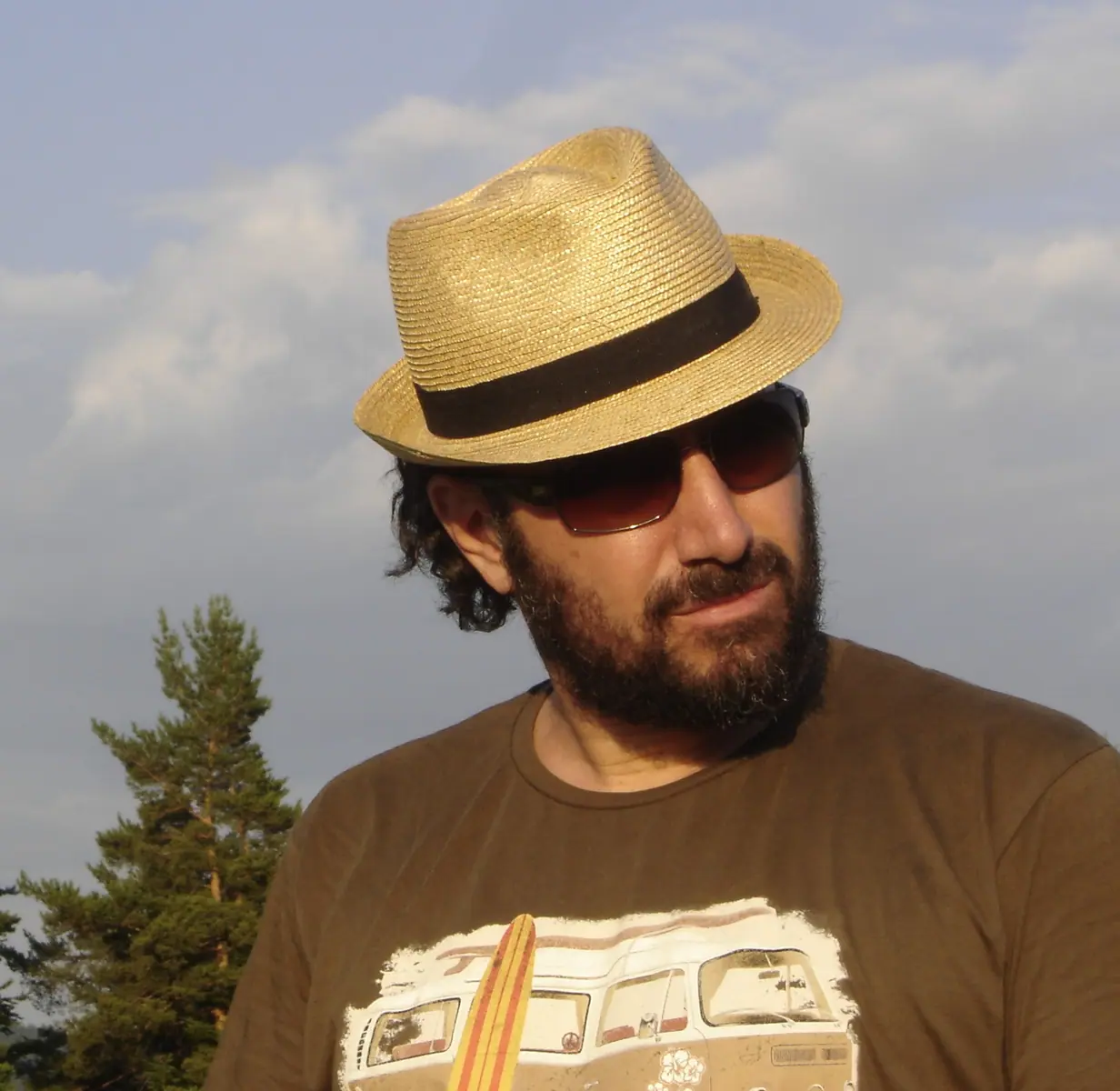
Stefan Valdobrev and musicians from Obichaynite Zapodozreni have recorded parts of a new song, working title "AI", at the ancient Armira Villa near Ivaylovgrad and at the Old Bridge in Svilengrad, the musician told BTA.
Stoyan Yankulov-Stundji and Veselin Veselinov-Eko joined the band for the sessions. At both sites they recorded eight bar-long loops — separate musical fragments that will later be pulled together into one track.
The recordings are part of the project "The Acoustics of Bulgaria", which includes a double album of songs recorded at different spots around the country and a documentary about the work behind it. "We're recording songs from a double album at different favourite spots across Bulgaria," Valdobrev said.
He picked the locations on two grounds: a personal link to his own life and journey, and how authentic each place feels. He says the sites are spiritual, historical and archaeological, and tie into his memories and his own path, not just the music.
The Roman villa Armira was built in the 1st century BC. It is a monument of national importance, known for its marble architectural features and mosaics. Valdobrev said he came across it by chance while travelling around the country and had never heard of it before.
The Old Bridge in Svilengrad, also known as the Mustafa Pasha Bridge, was built between 1512 and 1529 over the Maritsa river and is a stone structure with 21 arches. "I was amazed at how authentic it is and how little known. It's a marvel," Valdobrev said of it.
He explained the song will include recordings from several spots in the Haskovo region, and probably from other places by the end, so it comes together as a "mosaic" of different locations in one song.
Asked whether the project amounts to a lesson in love of country, Valdobrev said that if more people see it that way, so be it.
"The Acoustics of Bulgaria" was launched at BTA's National Press Club in Sofia in April 2025. Its main media partner is the Bulgarian News Agency, BG Radio is also a partner, and the project has backing from the Ministry of Culture and Bioprogramme.


Comments (0)
Все още няма коментари.