
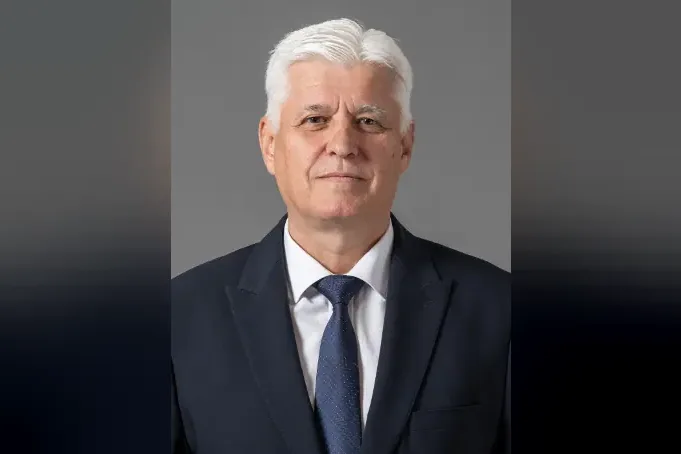
"At the Ministry of Defence we keep putting more focus on using these tools to help re-equip the Bulgarian army," defence minister Dimitar Stoyanov told parliament on Friday during questions to ministers.
Atanas Slavov of Democratic Bulgaria asked how Bulgaria takes part in the European Defence Industry Programme (EDIP), how it uses the grant money and in which areas. He said it is the EU's first long-term, structural programme to support real production, grow the defence industry and help countries buy military equipment together.
The programme was approved at the end of 2025 and puts the EU's defence industry strategy into action, Stoyanov said. He called it one of the EU tools meant to make Europe better prepared to defend itself, as the security situation changes fast.
EDIP has a budget of €1.5bn for 2025–2027, taken from the EU's annual budget framework. More than €200m is for cooperation between Ukraine and EU member states. Another €240m is for joint purchases, which are a priority for the ministry. The EU also has a separate fund of €100m to speed up changes in defence supply chains. That money goes to industry, but it is paid out through EDIP.
The ministry's other priorities in the programme are European defence projects and the JAQ programme for joint certification of ammunition. Bulgaria is part of the Starwatch projects, including Satellite and Decoder, and of Integrated Maritime Defense.
Germany leads the proposal for a joint purchase of missiles for IRIS-T SLM air defence systems, and the ministry is helping to submit it.
The other EDIP initiatives mainly fall under the Ministry of Economy and Industry.
Bulgaria has a particular interest in JAQ, Stoyanov said. Bulgarian industry must certify its production of 155mm shells, and the army as a whole will switch to that calibre.
Comments (0)
No comments yet.