
EU budget commissioner Piotr Serafin said in Sofia that the next seven-year EU budget must include more money for defence. The proposal for 2028–2034 is 1.02% of the EU's gross national income.
The previous budget, agreed in 2020, was 1.13% of income, plus an extra €700bn under NextGenerationEU. Serafin said the smaller share asks the EU to do more.
EU leaders will discuss the framework in November and December. Serafin expects member states to agree on its parameters by the end of the year.
Serafin is commissioner for budget, anti-fraud and public administration, and is on a two-day visit to Bulgaria. At the Sofia Balkan Palace hotel he opened the forum "The next multiannual financial framework: priorities and principles" and presented the framework's priorities. The forum is part of his visit programme. The European Commission Representation in Bulgaria, the Polish embassy in Sofia and the Sofia office of the European Council on Foreign Relations organised it.
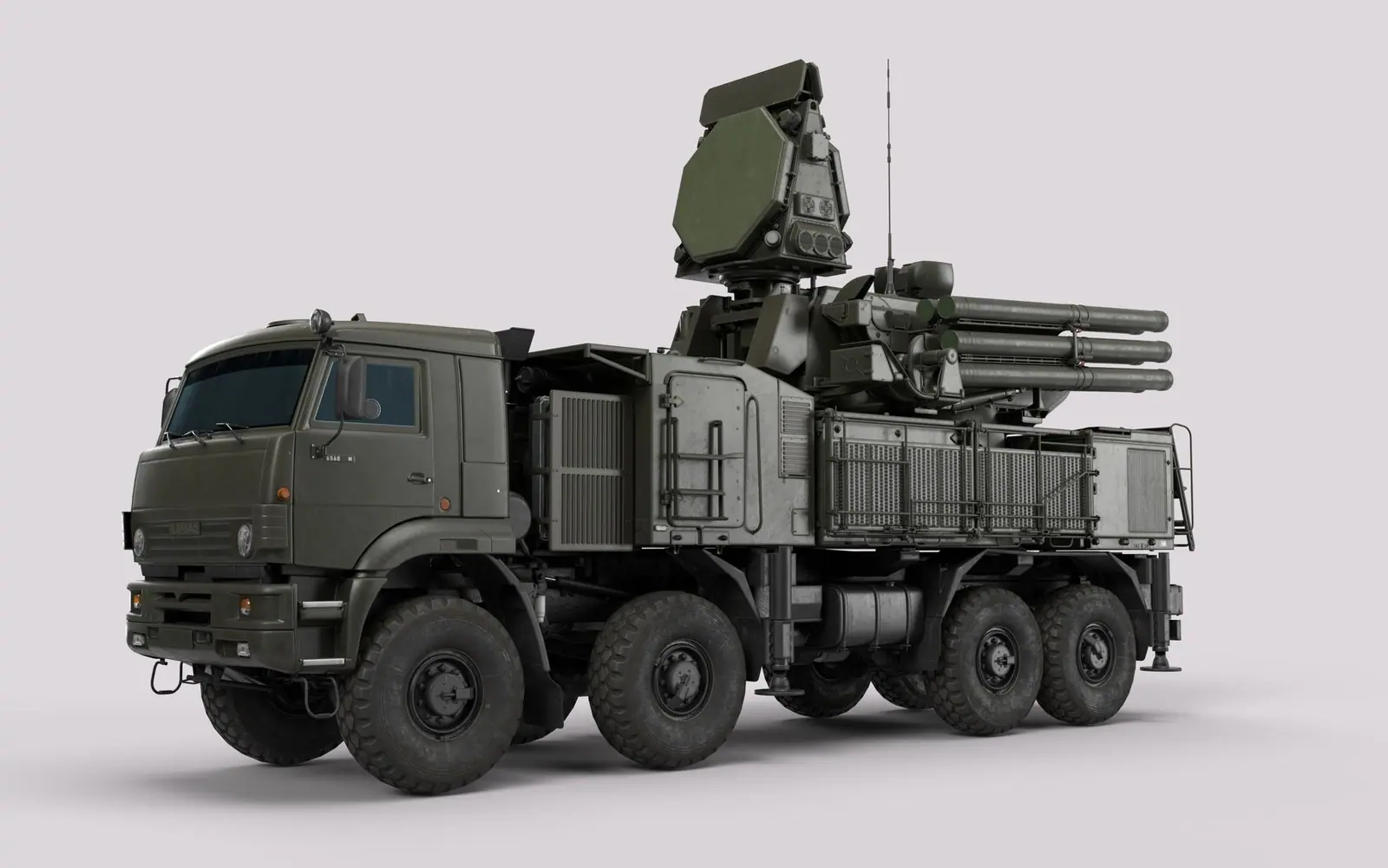
Serafin said defence is a must because of the war on the continent and an aggressive Russia. He believes that without more money for defence, peace and security on the EU's borders are at risk.
"We are drawing up a budget for a world that does not yet exist," he said. Nobody knows what the next seven years will bring, but decisions must be made now. They affect joint projects, security, competitiveness, regions and farmers.
Farming and cohesion stay in the proposal. Serafin said their aims are still relevant. He said the common agricultural policy is key to food security, and cohesion is needed even more for competitiveness, the single market and the digital race. In his view, the EU should use the potential of all regions and social groups, including those that lag behind. These policies must be modernised so that every euro has the greatest effect.
Member states disagree. The main question, the commissioner said, is what to cut, not what to do together. Serafin warned that a smaller joint budget does not necessarily mean savings for taxpayers. If less is spent together, the 27 countries will each spend more on their own, and some projects may not happen at all. "Without common resources there will be no common projects," he said.
The Commission has proposed reserves in the budget, but some were dropped during talks. Serafin called this a political choice by member states. Without such funds, he said, they should not expect an emergency response from the EU after natural disasters or a crisis in farming.
A competitive, growing economy needs investment that no single member state can provide alone, he said. A seven-year budget gives stability and predictability, and the aim is clear priorities and enough flexibility if circumstances change.
Serafin said taxpayers have a right to proper and transparent spending, and every country must fight corruption and apply the law. Those who want to spend together must also find a way to fund the budget together, and that takes compromise. The issue is causing fierce debate in Bulgaria and other member states. The commissioner named two things: the greatest effect from every euro, and not a single euro in the wrong hands.

Comments (0)
No comments yet.