

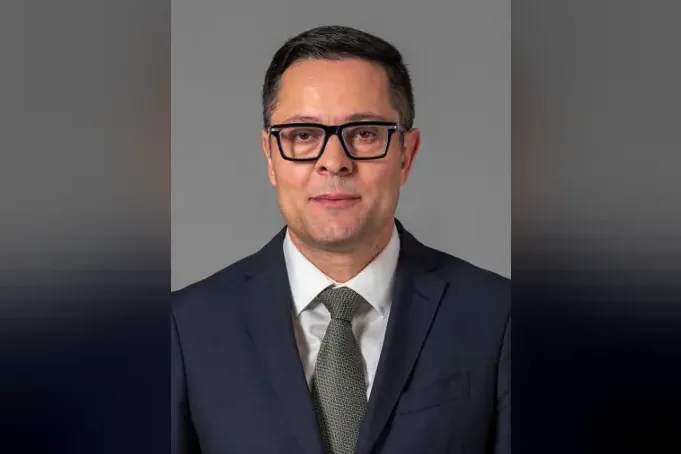
Not a single crude oil delivery or tanker bound for the Burgas refinery has been refused, deputy prime minister and economy minister Alexander Pulev told Bulgarian National Television (BNT). The refinery is running at high capacity and building up buffers, he said.
"We have not had a single crude oil delivery refused. We have not had a single tanker turned away that needed insurance to reach the refinery," the minister said on the programme "The Day Begins with Georgi Lyubenov". Pulev also spoke to the special commercial manager, who confirmed this.
Tankers must be insured to reach the refinery, where crude is turned into refined products. More than 90% of the ships that carry crude are insured by British firms. The UK has granted a derogation, or exemption, which the minister called a key success. He said that without it, ships could not be insured and deliveries to Bulgaria would stop.
The aim is for Bulgaria to be able to respond to a negative escalation in the crude oil market, and not to send excess profits to foreign owners, Pulev said. If shipping in the region stops completely, the state has action plans ready.
Thanks to the steps taken and to local refining, fuel prices in Bulgaria are among the lowest in the EU, the minister said. Fuel compensation is targeted and selective, going to the most vulnerable people and the working poor. He said this avoids a budget deficit and keeps inflation from being fuelled by indiscriminate handouts.
Pulev called VAT the budget's "red button" and warned that a sharp cut in the rate would cause revenues to collapse. A VAT cut on fuel could only be selective, and a last resort if prices escalate.
Instead of subsidies, the state will back firms in a liquidity crisis by taking a minority stake in them. It plans to put new capital into the Capital Investment Fund of the Bulgarian Development Bank for this. Once the turmoil is over, the firms will be able to buy the shares back.
Pulev said this gives business a safety net without pumping inflationary money into the economy for free. The scheme is also a filter: a firm that turns down such a partnership shows it is not in a liquidity crisis.
Energy-intensive industry produces about 25% of gross value added and provides more than 280,000 jobs. Support is planned for it, and the compensation for high energy costs will stay and be improved, together with the energy ministry.
District heating for households will not get more expensive in the coming heating season, Pulev assured.





Comments (0)
No comments yet.