
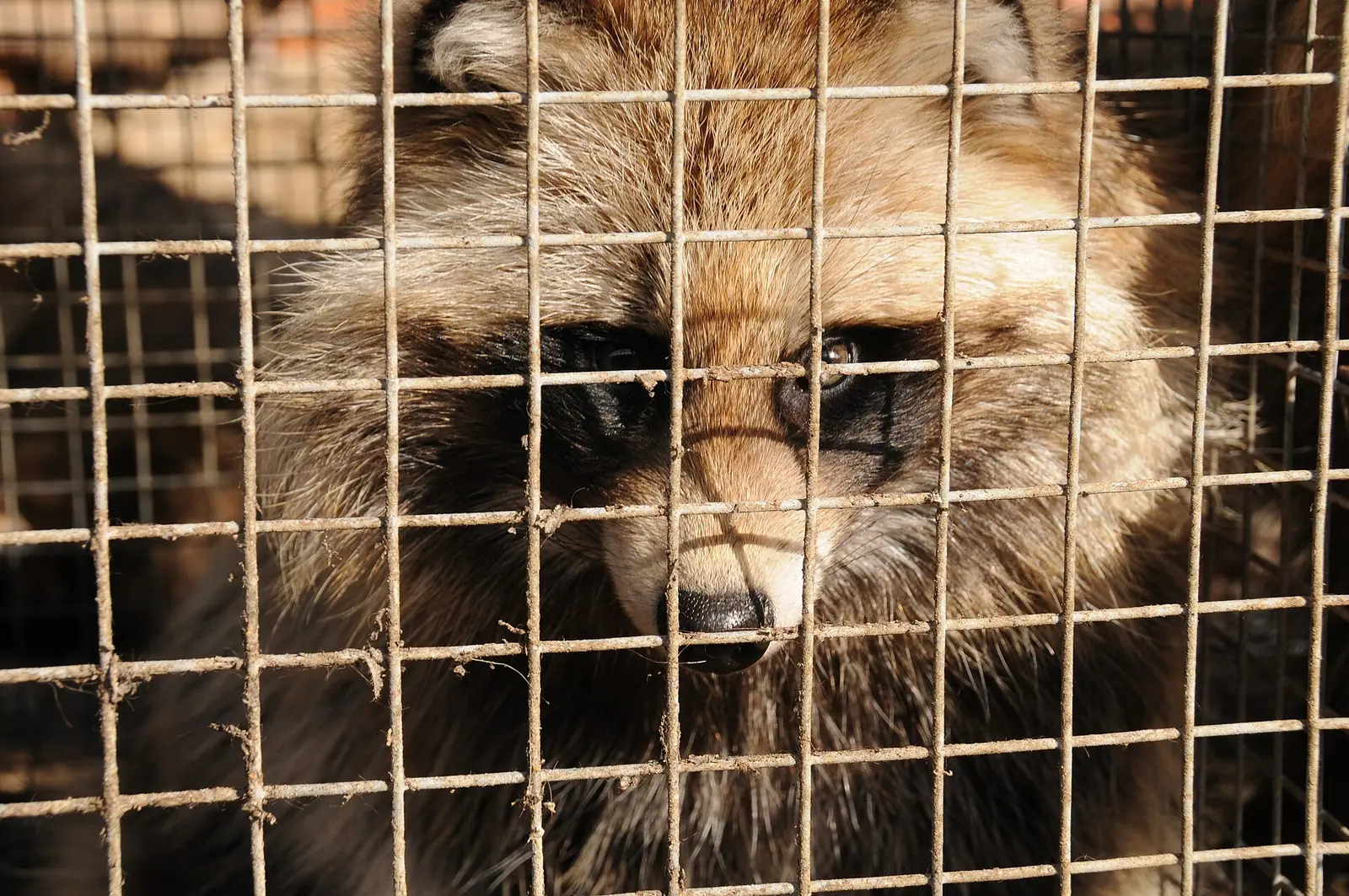
MPs from every party group in Bulgaria's 52nd parliament have filed a bill to ban raising, breeding and killing animals purely for their fur. The draft, which would change the Veterinary Activities Act, is now in the parliament's own register.
The ban would cover farms that breed and kill mink, foxes, chinchillas, raccoon dogs and other animals just for their pelts. It would not touch fur that comes as a by-product of animals raised for food, or fur taken through legal hunting.
The law would also define "valuable fur" as "fur from animals bred or raised for the purpose of producing fur." The MPs want this activity listed as animal cruelty under the Animal Protection Act too.
Under the bill, anyone who raises, breeds or kills animals for valuable fur would face a fine of 800 to 1,500 euros, rising to 2,000-6,000 euros for a repeat offence.
Sole traders and companies would face a fine of 2,500 to 4,500 euros for the same offence, or 4,500 to 10,000 euros if they do it again. Failing to identify, register, raise or move the animals properly would bring a fine of 500 to 1,500 euros, or 1,000 to 2,500 euros for a repeat breach.
The bill's authors say the business is still legal in Bulgaria today. But the latest figures from the Bulgarian Food Safety Agency's register of animals and livestock sites show not a single registered fur farm left in the country. The last one, in the village of Madzherito in the Stara Zagora region, shut down in January 2025.
The MPs say fur farms put human health, animal health and biodiversity at risk. Farms that keep non-native predator species are especially risky, they say, and pollution is also a danger. They argue the ban would protect animal welfare, the environment and public health, and bring Bulgaria in line with good practice in other EU countries.
Parliament still has to debate the bill.





Comments (0)
No comments yet.