
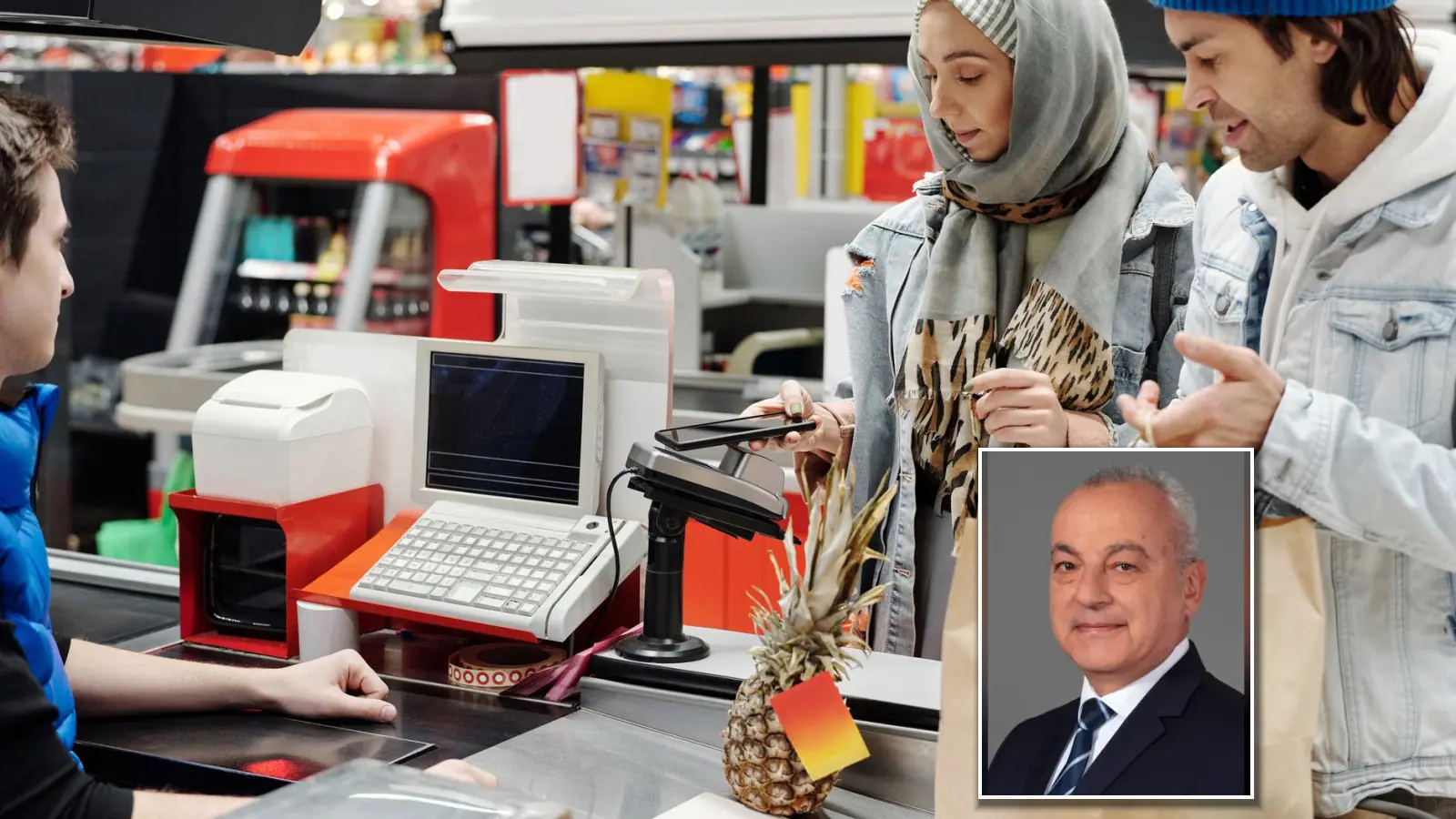
The government wants to raise the cap on food vouchers to as much as €200 a month per employee. The change is in the 2027 budget. The current cap is €102.26 (200 leva).
For the first time, a 7% tax is planned on anything above the current €102. Finance minister Galab Donev said only the amount over that level will be taxed.
The finance ministry has calculated that the real maximum for a worker will be €186, not €200.
Vouchers will stay exempt from social security contributions. The yearly quota for electronic vouchers rises from €818m to €1.5bn.
The cap was last changed in 2022. Since then, food prices have risen by more than 50% and the minimum wage has grown by nearly 70%.
Veronika Yordanova-Nedkova of the Association of Food Voucher Operators in Bulgaria called the increase a positive and long-awaited step that keeps the buying power of the benefit.
"With the old value of €102 we were at the bottom, and now we are rising to levels close to those in countries such as Belgium and Portugal," she told BTA.
Vouchers are among the benefits employees want most. In the association's survey of employers last year, most said they wanted the tax-free amount to grow.
The association hopes the tax will not hurt the benefit. Yordanova-Nedkova said the mechanism must be fine-tuned carefully so that it does not damage the buying power and the purpose of the vouchers.
Operators say Bulgaria will be one of few EU countries with such a levy. Romania has one now, for example, while in other countries the tax applies to the amount above a daily limit of about €8 to €12.
Maya Manolova, head of the Consumer Protection Commission, plans to ask the Commission for Protection of Competition (CPC) to check how vouchers affect prices. About a year ago the CPC looked into the digitisation of vouchers and found no effect.
Yordanova-Nedkova noted that such a check has already been done and that retailers take part entirely voluntarily. She said the rate for the voucher as a means of payment differs from the rate in the contract between a retailer and an operator. The figure of up to 6% that has been cited is quite high, she said, and is certainly not withheld.
Operators say the number of small and mid-sized retailers has grown since digitisation. Paper vouchers meant costs for administration and transport, tied-up turnover and payment after about two weeks. Now costs are much lower and payment is comparable to bank cards.
If the watchdog asks for data, the association is ready to provide it. It believes the conclusions will be the same as in last year's case.





Comments (0)
No comments yet.