
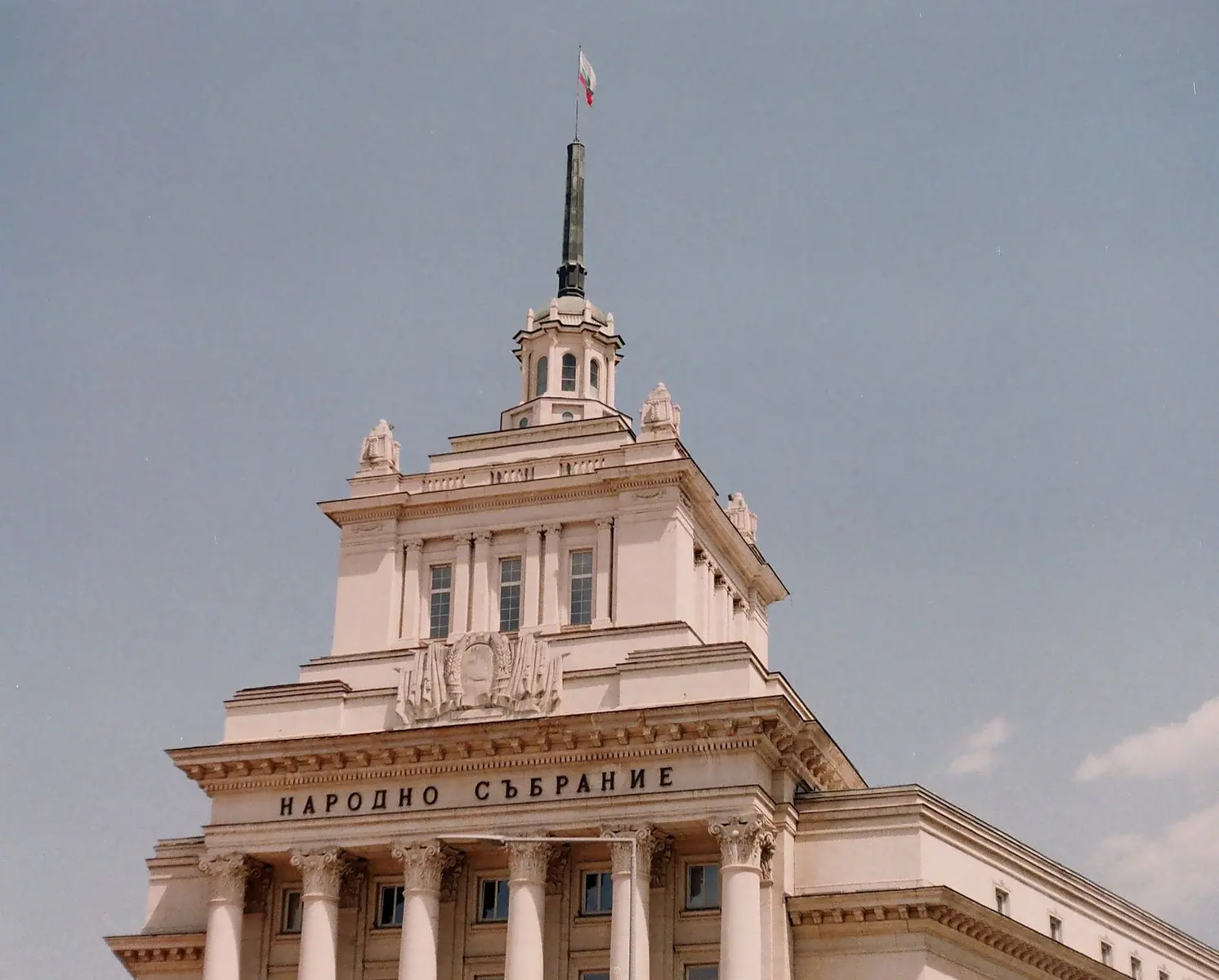
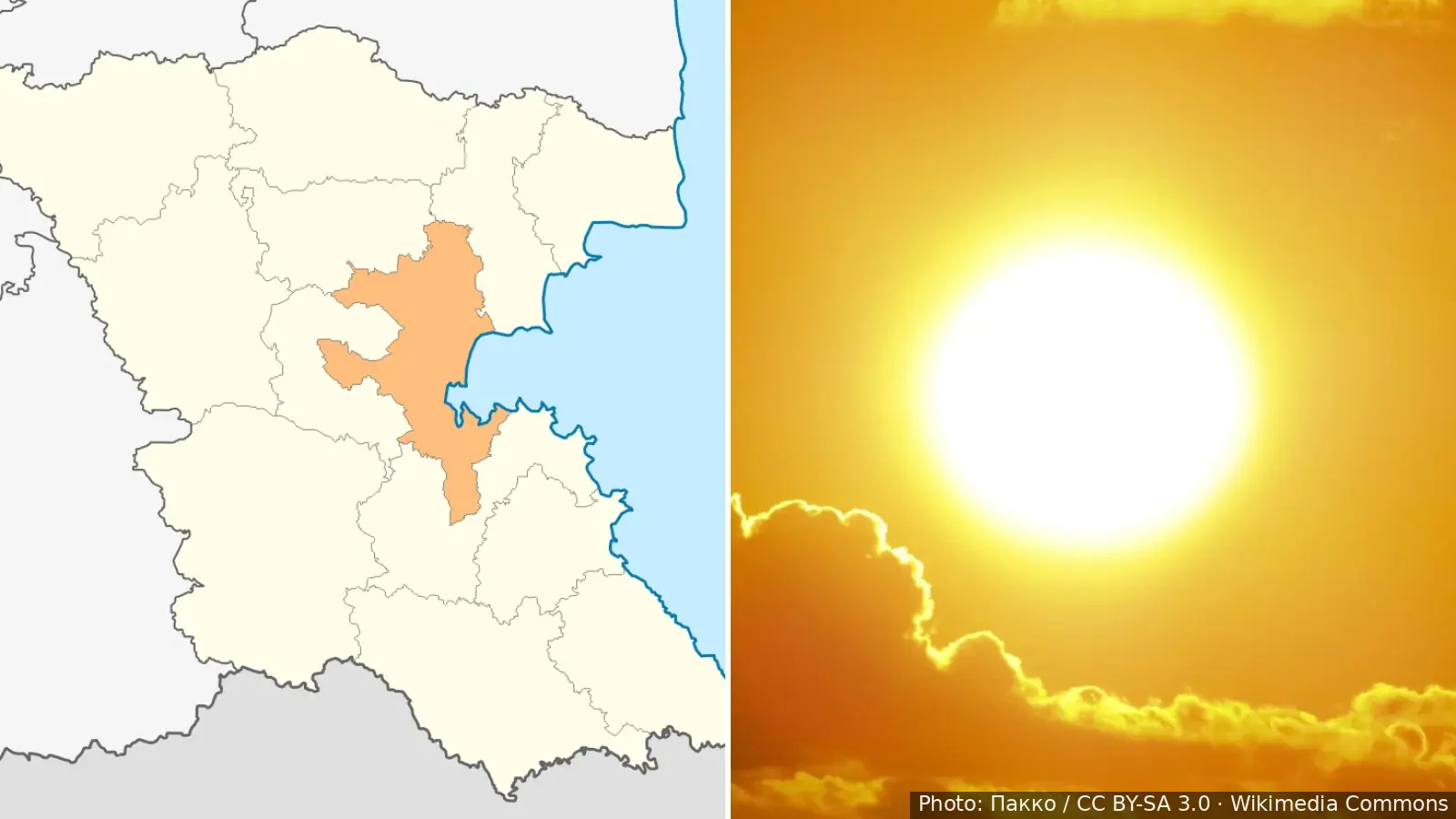
Parliament passed at first reading changes to the Regional Development Act that cut the six level 2 planning regions to four. Haskovo province is in the Southern region, which also covers Sofia, Pernik, Kyustendil, Blagoevgrad, Pazardzhik, Smolyan, Plovdiv, Stara Zagora and Kardzhali provinces.
The Council of Ministers put forward the bill. About a week ago, parliament's committee on regional policy, public works and local government backed the same changes. In the vote, 127 MPs were in favour, 31 against and 36 abstained.
On 12 November, the regional policy committee backed the changes at first reading, after Deputy Minister Desislava Georgieva presented them to MPs.
The whole country becomes one level 1 region. The other three level 2 regions are the Capital region (Sofia City province), the Northern region (Vidin, Montana, Vratsa, Lovech, Pleven, Gabrovo, Veliko Tarnovo, Targovishte, Ruse, Razgrad and Silistra) and the Eastern region (Dobrich, Varna, Shumen, Burgas, Sliven and Yambol). The regional development councils will also be cut from six to four.
The reform follows the EU's NUTS classification and the experience with integrated territorial investments. The issue was first raised in 2024, under Glavchev's caretaker government.
Sofia has special rules because the municipality, the province (level 3) and the planning region (level 2) cover the same area. The Capital region has no Integrated Territorial Development Strategy of its own. The municipality's Integrated Development Plan does that job instead. The regional council there consists of the governor of Sofia City province, the mayor of Sofia, the chair of the municipal council and the mayors of the districts.
Zdravko Ognyanov (Progressive Bulgaria) said Bulgaria must bring its law in line with the new classification and cannot put it off. He said the borders of provinces and municipalities do not change and no province is closed. Only the regions used for statistics and planning change, he said.
The regulation is wrong as long as there is no special tax law for the capital, said Yordan Ivanov (DB). He also asked why only municipalities will face sanctions. Katya Paneva (DB) said that, on the pretext of better coordination, the country is heading for even more centralisation. Bozhidar Bozhanov (DB) pointed to an error in the impact assessment, which counts 19 ministries when there are 18. He added that it is also untrue that the Gyurov cabinet approved this bill.
Kosta Stoyanov (Vazrazhdane) said the opposite: that this version was adopted in March under the Gyurov government. His party will not back the changes, he said, because the European Commission's requirement is for statistical purposes only. Stoyanov asked why Sofia province is not in the capital region. Tsoncho Ganev of Vazrazhdane called the bill incorrect, dishonest and bad for Sofia. Velislav Velichko (We Continue the Change) also thinks Sofia province belongs in the Capital region.
Iskra Mihaylova (DPS) said her party will not back the bill. It does not meet an EU requirement, she said, and instead reflects dangerous trends: a lack of understanding of regional development, and a wish for centralisation and control by the central government. Yordan Terzyiski (We Continue the Change) said the new funding model must narrow the gaps between regions without holding back those that are already developed. He fears Northern Bulgaria will be neglected and fall behind.
GERB-SDS will not back the bill either. Nikolay Nankov said the change should be more than a redraw of the map and the regional councils, and asked the ruling parties to treat the opposition's proposals fairly. He himself said in 2018 that there should be four regions.



Comments (0)
No comments yet.