
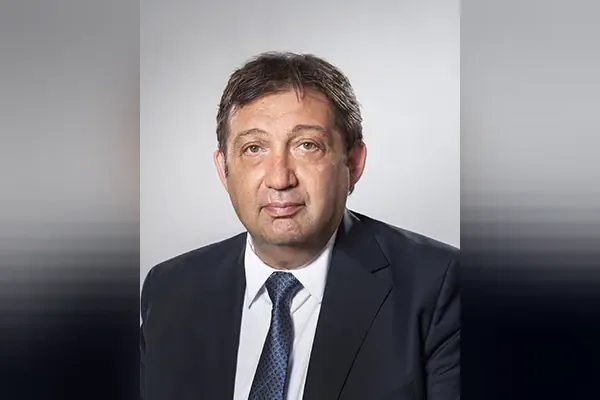
Bulgaria has paid out €94m for municipal projects so far, and payments continue every day, regional development minister Ivan Shishkov told a parliamentary committee during a round of quick questions.
How fast money is paid depends on how fast paperwork is processed. Shishkov said towns would not be split into small, medium and large, and none would get special treatment. The only conditions are correct documents, completed procedures and met legal requirements.
Unlike big urban areas, small municipalities cannot get EU funding. The state will help pay to replace their internal water pipes, and the minister urged them to take an active part in the investment programme.
The state is starting design work and looking for funding to replace the large main pipelines. Shishkov thinks it is better for the state to pay for them directly, because investments by water utilities end up in the water price for consumers. Water restrictions remain in force in Pleven and Lovech, and work is under way to lift them on the pipeline serving the two cities.
The state plans solar panels with storage batteries on the land of pumping stations and reservoirs. Shishkov said the aim is to cut the cost of electricity for pumping water.
The tender for guardrails has been cancelled, and the work goes to the state-owned company Avtomagistrali. The minister said regular replacement and installation will cost 17% less than planned in the cancelled tender, and emergency replacements 7% less.
The company has bought its own machinery and has staff, so it will not hire outside firms for the whole service. It will run its own procedures to buy guardrails. Shishkov said prices under the outside contract were inflated, that doing the work in-house will save money, and that the cancellation hurt the economic interests of long-time contractors.
Talks are under way to spread payments for road building over five years. Under this model, companies would build the sections in about two and a half to three years, and the state would pay in full within five years.
Shishkov said that if construction stopped for three to four years, new public tenders would later cost many times more. He said the model limits the load on the budget, and the aim is a fair price that works for both the contracting authority and the builders.
The minister called the instalment model an "exceptional victory" for the state. Calculations and talks on price indexation are not finished. Indexation and financial corrections will come only on clear legal grounds and on terms that protect the state's interest.
Shishkov said the national goals are to finish the Hemus motorway and the Vidin–Montana road, which are needed to end the economic decline in northern Bulgaria.
The guardrails for the bridge structure on the Hemus motorway were made in Turkey and have a certificate, which the minister said will be made public.


Comments (0)
No comments yet.