
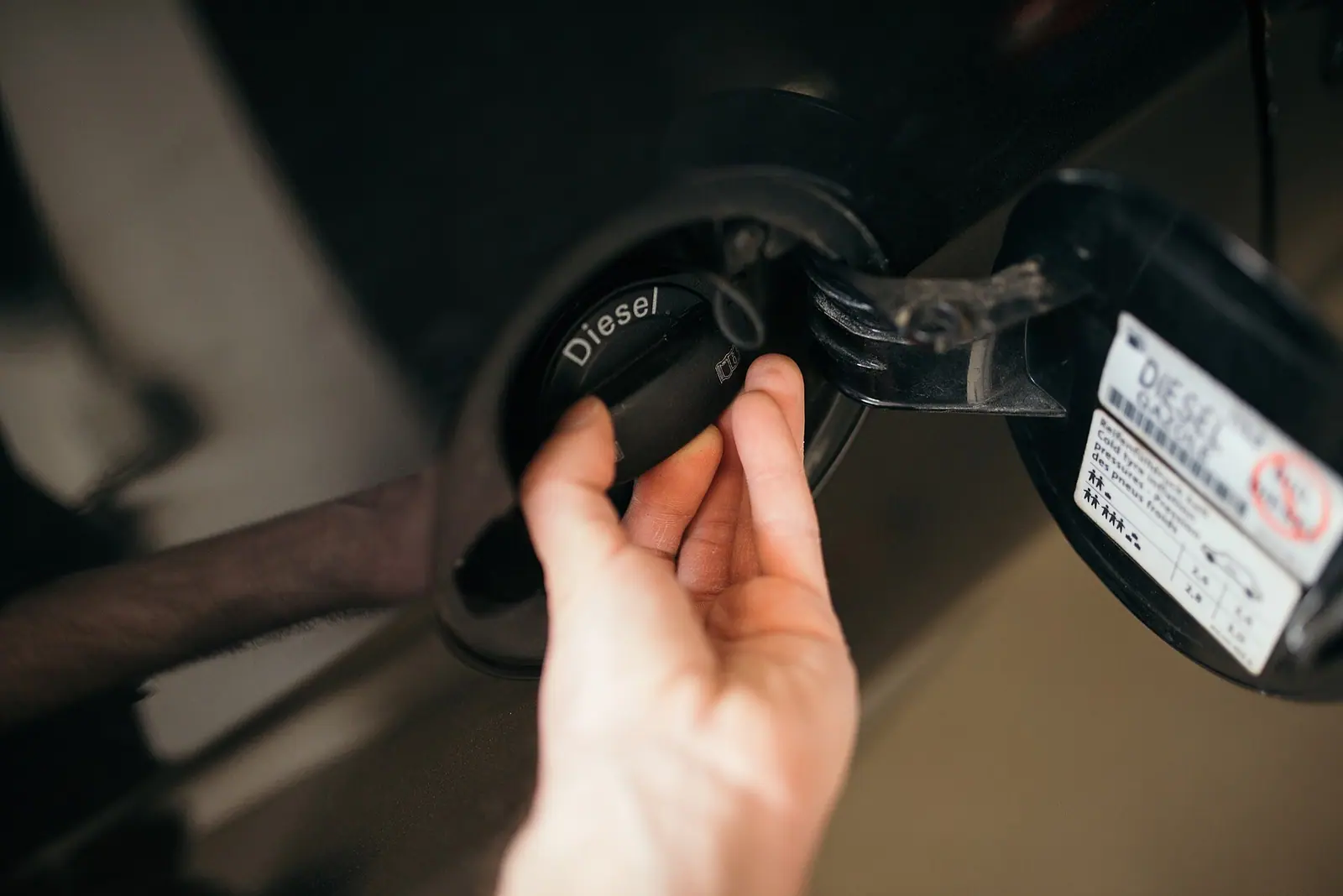
Bulgaria's parliament has rejected a GERB-SDS plan to cut fuel prices temporarily. The economic policy, investment and industry committee voted it down today, with eight MPs in favour, two against and eight abstaining.
This story follows our earlier report on the GERB-SDS plan for a temporary cut in fuel excise duty, which MPs tabled in parliament.
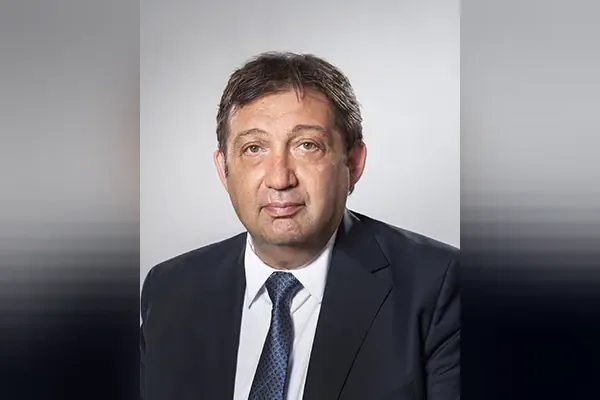
The plan was not on the agenda. Alexander Ivanov of GERB-SDS presented it and asked the committee to discuss it at the same meeting, and the committee agreed. The text is a recommendation to the Council of Ministers. It asks the finance minister to seek European Commission approval for temporary excise rates on fuel below the EU minimum. It also asks Brussels for its view on a lower VAT rate, including options of up to 9%. And it calls on the Council of Ministers to bring parliament an analysis and legal options for a temporary cap on the prices of the main fuels when world prices are extremely high.
One option is a lower excise duty, with 9% VAT charged on the resulting tax base. Ivanov's calculations, based on yesterday's average prices, show diesel would fall from €1.96 to €1.53 a litre, and A95 petrol from €1.69 to €1.29.
Ivanov said retail prices in Croatia, and to some extent in Poland, are already back to pre-crisis levels. He believes dearer fuel also pushes up the cost of services, food and consumer goods. In his view, the plan would put less strain on the budget than the ruling parties' measures. He said those measures pay €50 even to people who may not own a car, during an election campaign.
Martin Dimitrov of Democratic Bulgaria said measures are needed, but the plan risks pushing up the deficit. He said the money to support households should come from a windfall tax on the oil sector. The ruling parties' proposals leave the sector out of that tax.
Stefan Belchev of Progressive Bulgaria said the measures would cost between €400m and €500m over six months. He will abstain, because the finance ministry has not given its view and the plan is rushed. Slavi Vasilev of the same group called it populism that will not work and will only strain public finances. With a deficit of 5.7% of GDP, the measures come at the wrong time, he said. Vasilev said a windfall tax hits firms that send their profits abroad, and Bulgaria's oil sector is not one of them.
Bayram Bayram of the DPS said his group will back the plan, although he does not favour changes to tax laws in the middle or at the end of a year. He said measures are needed when fuel and food prices rise.
Bogdan Bogdanov of We Continue the Change said the party would back the plan because it only makes recommendations to the Council of Ministers. The executive decides whether to take them into account or offer another solution. Bogdanov said fuel in Bulgaria costs up to €2 a litre, and the country is among the few without adequate measures against rising prices.
Konstantin Prodanov of Progressive Bulgaria noted that the government has already taken measures worth €330m for vulnerable groups, including inflation cheques. If the fuel price crisis worsens, it can respond with more measures, he said. He called on Dimitrov to table his own proposals to bring the oil sector into the windfall tax.

Comments (0)
No comments yet.