
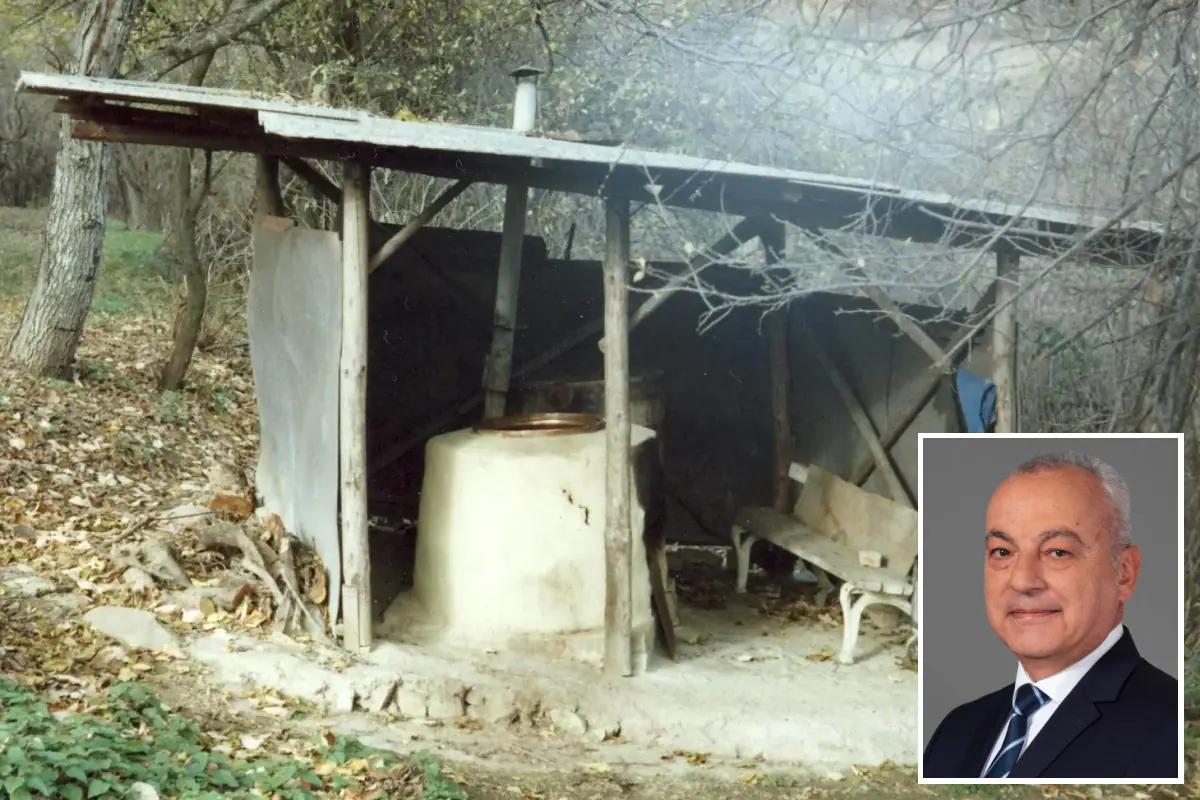
Fines will only hit people who sell homemade rakia, not those who make it for themselves, deputy prime minister and finance minister Galab Donev told reporters in Sofia. No producer will get a fine, he said.
Changes to the excise duty and tax warehouses law mean businesses and shops will not be allowed to keep this kind of rakia. Village stills run under a special regime with lower excise rates, and what they make is only for the personal use of the vineyard and orchard owners. Selling it in hotels, restaurants, guesthouses or any other shop is banned.
Fifty percent of the rakia made in Bulgaria comes from home stills in villages, Donev said. Some of it ends up on sale. The customs agency has seized 15,000 liters of homemade rakia from shops since the start of the year.
"There are cases of rakia being sold at car repair shops, at hairdressers' — you can see for yourselves that's a clear breach of the law," the minister said.
The ban is also about people's health, he explained. When rakia is made under unclear conditions and with no quality checks, it can contain high levels of methanol, which puts drinkers' health and lives at risk.
Donev accused politicians of deliberately twisting the meaning of the changes and called on people not to be misled. He said he had spent the day looking at memes showing him as some kind of inspector peering through people's windows.
"I will not be an inspector checking on ordinary people who make rakia at home for themselves and their families," the deputy prime minister said. Checks will target those who abuse the trade in homemade rakia, he added.

Comments (0)
Все още няма коментари.